How to Tell if Dichondra Is a Weed or Feature
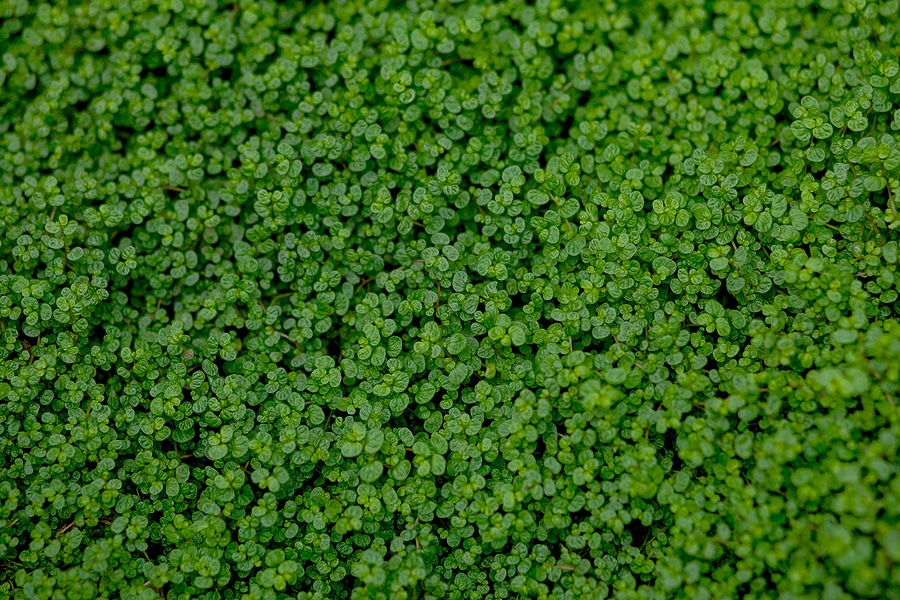
Dichondra is one of those plants that keeps lawn people arguing in their heads. One minute you’re thinking, this is kind of charming, like a soft green carpet. The next minute, you’re wondering why your turf suddenly looks like it’s being slowly replaced by tiny lily pads. The truth is, dichondra can be either a weed or a feature, depending on your goals, your grass type, and how your yard is used. At Nature’s Select®, we help homeowners make that call with confidence, then build a plan that keeps the yard looking intentional.
What Dichondra Looks Like and Why It Shows Up
Dichondra is a low-growing groundcover with small, round leaves and creeping stems that root as they spread. It often invades thin, stressed, or frequently watered lawns. It also loves mild temperatures and can thrive in areas where turf grass struggles, like partial shade or compacted spots. If you see a dense, mat-like patch that stays lower than your grass, dichondra is a good suspect.
When Dichondra Is a Weed
If you want a classic, uniform lawn, dichondra is often considered a weed because it disrupts that consistent turf look. It can spread quickly, creating mixed textures and patchy color. It also tends to outcompete grass in weak areas, which can make the lawn feel uneven underfoot. Families with kids, pets, or high foot traffic often prefer turf that recovers faster, and a creeping groundcover can make repair and overseeding more complicated.
When Dichondra Is a Feature
Dichondra becomes a feature when you choose it on purpose. Some homeowners like it as a soft, low-maintenance alternative to traditional grass in small sections, courtyard-style areas, or low-traffic zones. It can create a lush, green look with less mowing, and it pairs well with stepping stones or xeriscape-inspired designs. If you’re aiming for a groundcover aesthetic, the key is committing to it in a defined area so it looks designed, not accidental.
How to Decide Without Regretting It Later
Ask two questions: What do you want your lawn to look like in photos, and how do you actually use it week to week? If you want a clean turf finish, focus on strengthening the grass so dichondra has fewer openings to take over. If you like the dichondra vibe, consider containing it and keeping the rest of the yard turf healthy. Either way, consistency in watering and mowing habits will steer the outcome.
Keep It Intentional, Not Accidental
Dichondra can be a charming design choice or a sneaky takeover, and the difference is having a plan. Nature’s Select® can help you decide what belongs in your lawn and what needs to go. For residents throughout Pinehurst, NC, we also offer insect control, nutsedge solutions, and crabgrass treatments to keep your yard healthy and hassle-free. Contact us at (888) 786-9735 to get a free estimate.