Why Your Weeds Keep Coming Back
You pull them, spray them, and dig them out by the roots — and two weeks later, they are back. If weeds in your lawn feel like a battle you cannot win, no matter what you try, you are not imagining it, and you are not doing anything wrong. The real problem is that most weed control approaches treat the symptom rather than the cause. Nature's Select® has been working with property owners long enough to know exactly why weeds keep coming back.
The Seeds Are Already in Your Soil
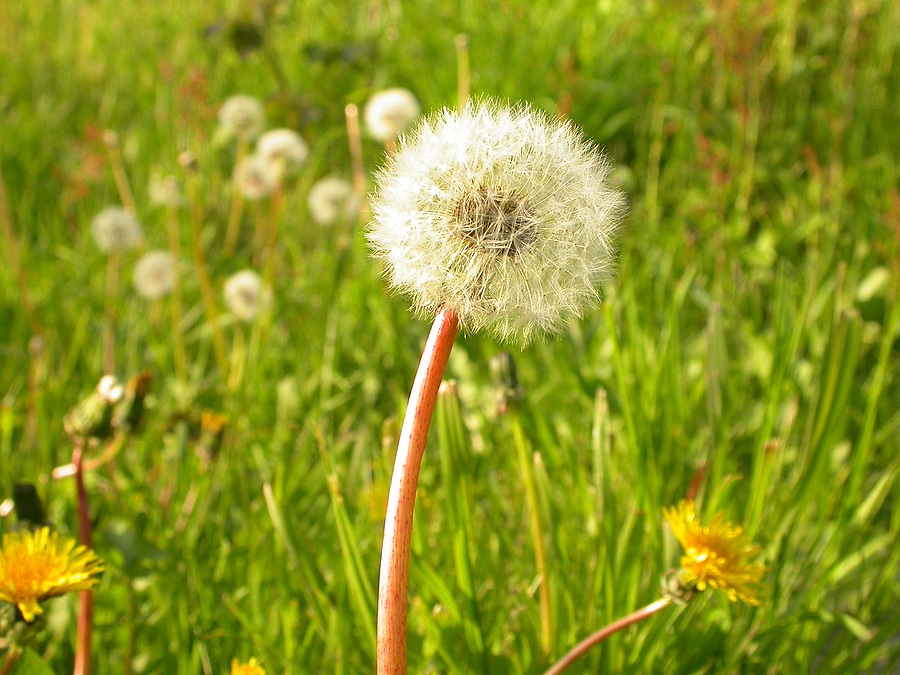
Weed seeds are extraordinarily patient. A single dandelion produces hundreds of seeds that can remain viable in the soil for years — sometimes decades — waiting for the right conditions to germinate. Pulling or spraying the visible plant does nothing to eliminate the seed bank already present in your lawn. Every season that passes without addressing soil health and turf density gives more dormant seeds an opportunity to germinate.
A Thin Lawn Is an Open Invitation
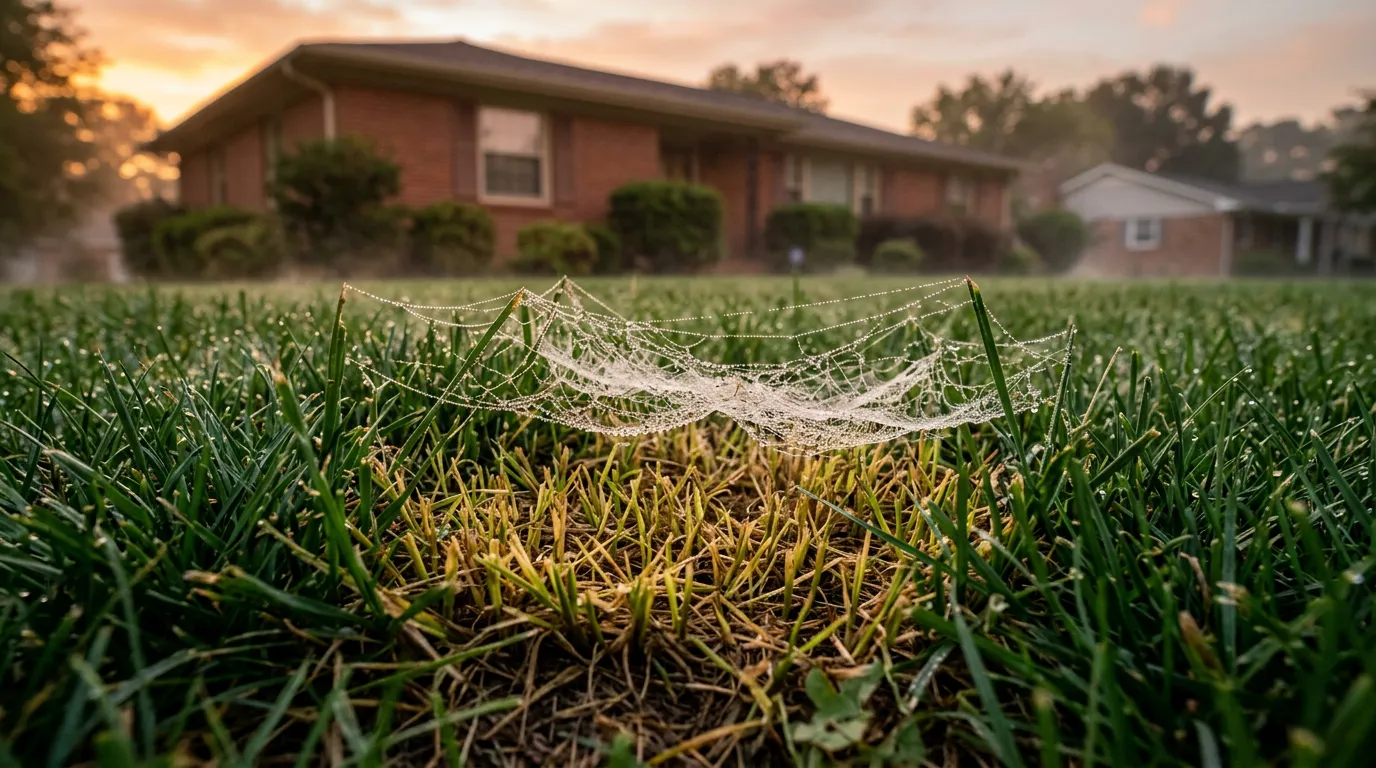
Weeds do not thrive in healthy, dense turf. Instead, they thrive where grass is thin, stressed, or absent entirely. Bare patches, compacted soil, and nutrient-depleted areas are the exact environments where weeds establish most easily and most aggressively. If your lawn is struggling due to poor drainage, shade stress, or inadequate feeding, weeds will continue to fill those gaps regardless of how many times you treat them directly.
Over-the-Counter Products Often Miss the Root Cause
Many retail weed-control products are effective at killing the plant currently visible. However, they do nothing to improve the underlying lawn conditions that allowed that weed to thrive in the first place. Without addressing soil health, compaction, pH imbalance, or turf density, the same conditions that produced this year's weeds will produce next year's as well.
Timing Is Everything in Weed Control
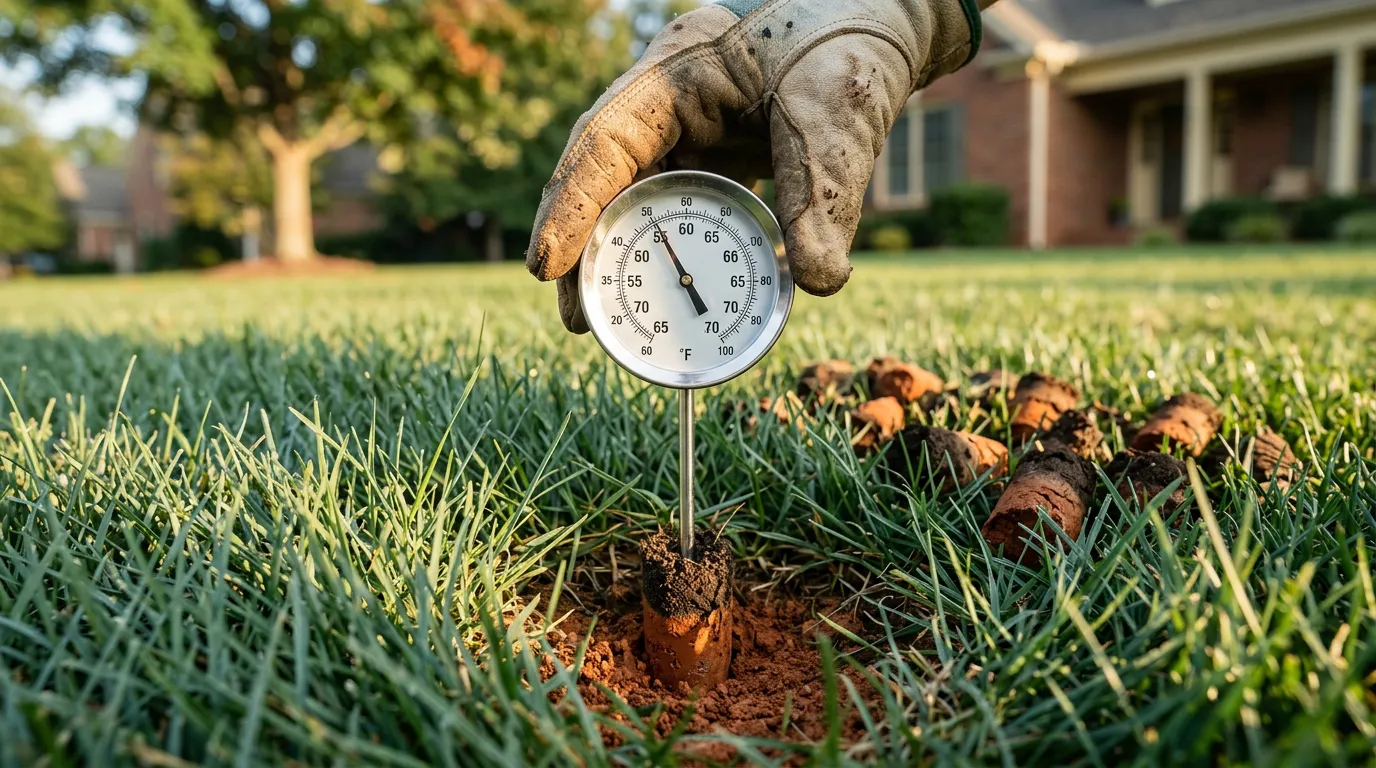
Pre-emergent treatments, which prevent weed seeds from germinating, are highly effective, but only when applied at the right time. Applied too late, after soil temperatures have already triggered germination, they lose most of their value. In the Piedmont's climate, that timing window is earlier and narrower than most homeowners expect, and missing it means managing a weed population that has already been established rather than stopping it before it starts.
Stop the Cycle With a Soil-First Approach
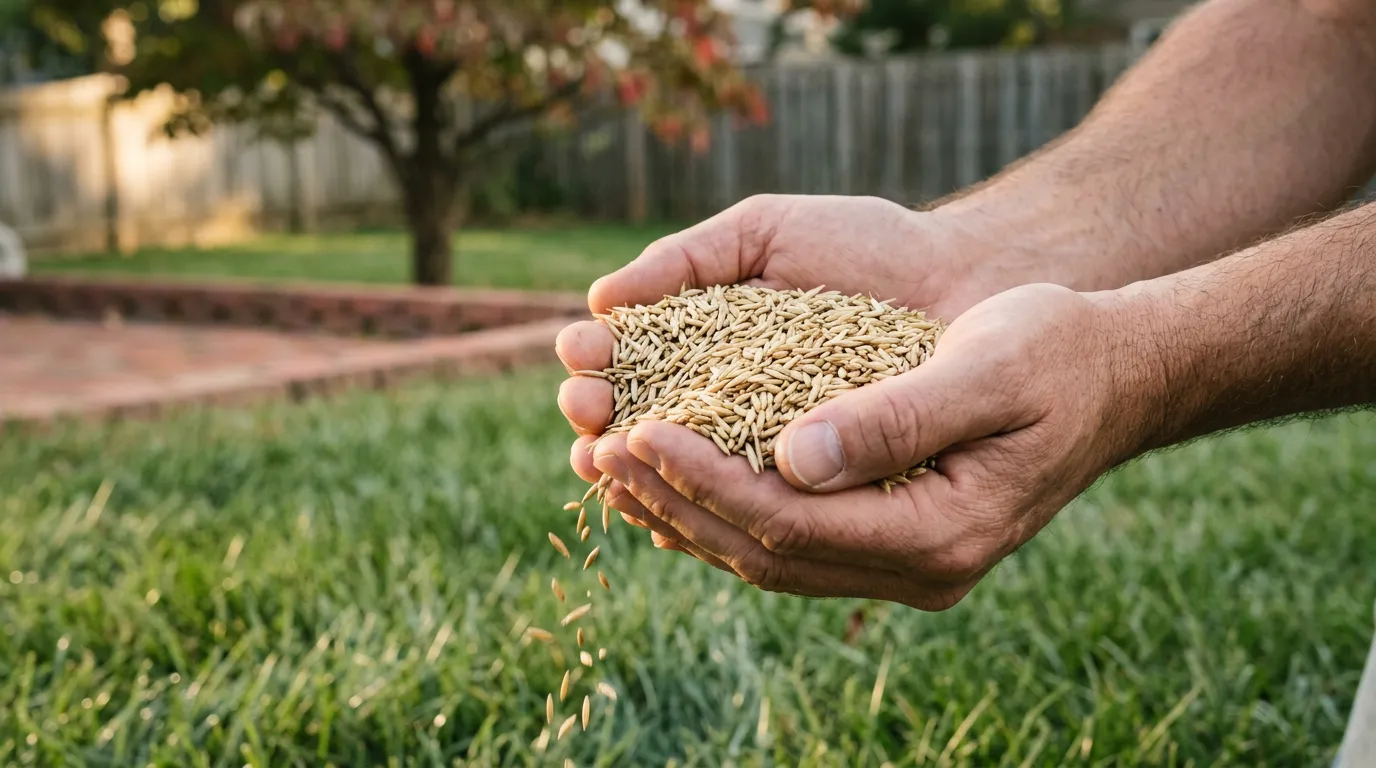
Nature's Select® helps property owners throughout the Piedmont Region build the kind of healthy, dense turf that naturally resists weed pressure — using eco-friendly programs designed to address root causes rather than just surface symptoms. In addition to weed control, we also offer grub control, aeration, and overseeding to give your lawn the full support it needs to stay clean and competitive all season long. Request an estimate today at (888) 786-9735 and stop fighting the same battle every spring.