How to Prevent Lawn Disease Before Spring Arrives
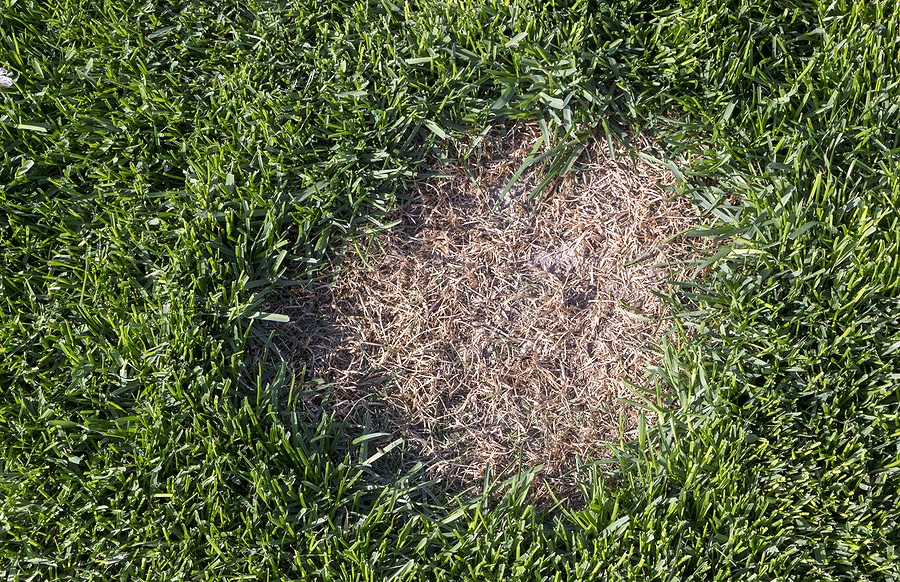
Most homeowners do not think about lawn disease until a brown patch appears in June and the grass stops responding to water. By that point, the disease has already been developing for weeks, often tracing back to conditions that were set in motion well before spring. Nature's Select® works with property owners across the region to identify and address those conditions early, before disease has a chance to take hold and spread.
Lawn Disease Is Not Random — It Has Predictable Triggers
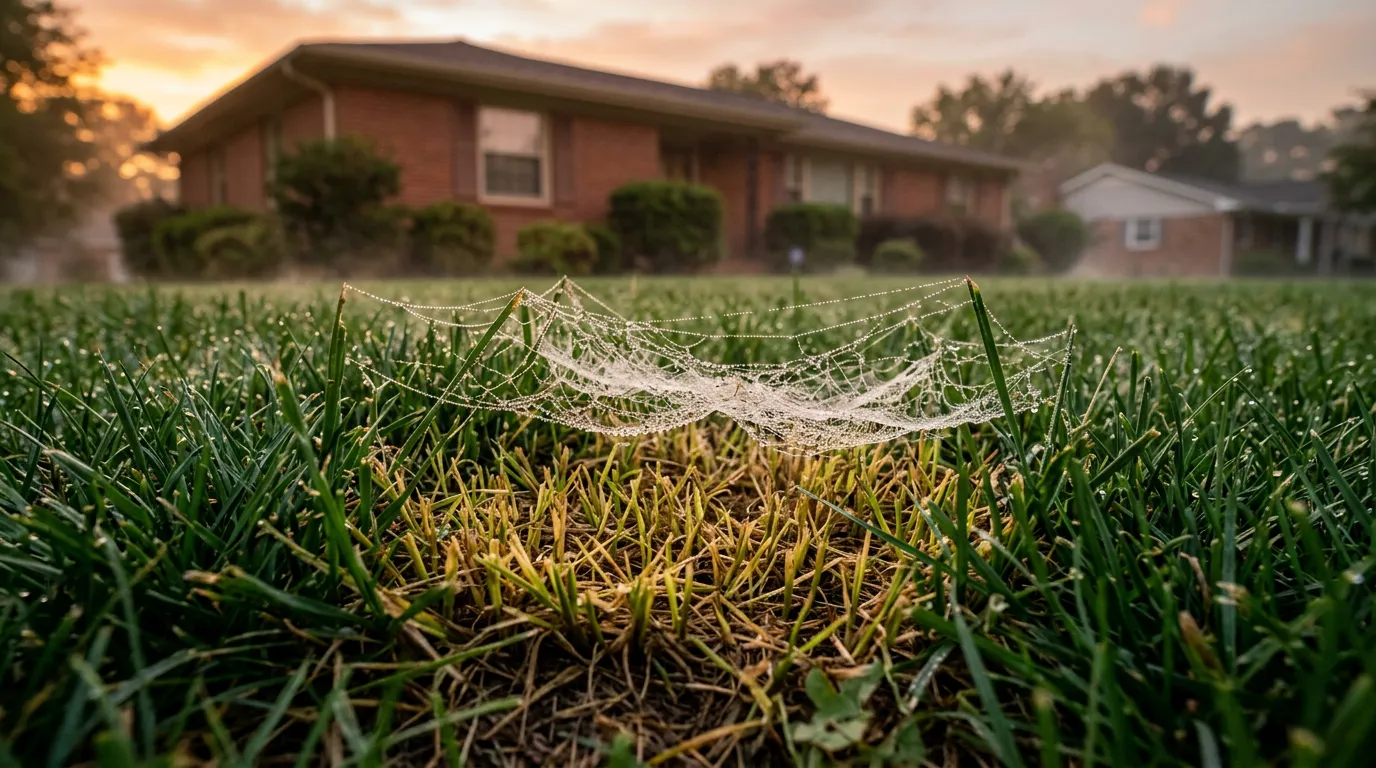
Fungal diseases like brown patch, dollar spot, red thread, and pythium blight do not appear out of nowhere. They develop when a specific combination of conditions exists: the right temperature range, excess moisture in the turf canopy, low soil health, and stressed or weakened grass plants. Understanding which conditions are present in your lawn before spring arrives is the foundation of effective disease prevention.
Thatch Buildup Creates the Perfect Disease Environment
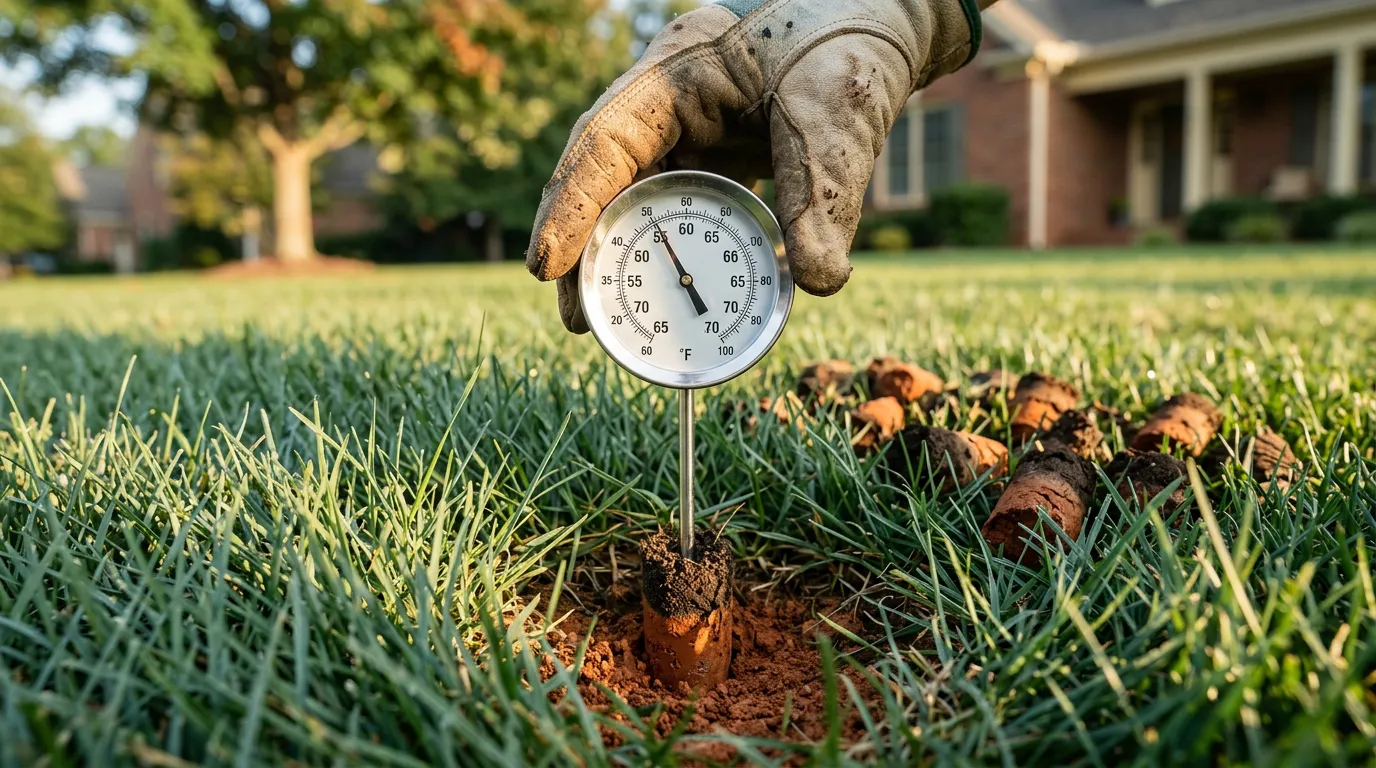
A thick layer of thatch — the accumulated organic material between the grass blades and the soil surface — traps moisture, restricts airflow, and creates a warm, humid microenvironment that fungal pathogens love. Lawns that enter spring with significant thatch accumulation are significantly more vulnerable to disease outbreaks once temperatures begin to climb. Dethatching and aeration are two of the most effective tools for reducing that risk before the season starts.
Overwatering & Poor Drainage Accelerate Fungal Development
Many North Carolina lawns receive more than enough natural rainfall during the spring months, and supplementing that with heavy irrigation keeps the turf canopy wet for extended periods. Fungal diseases spread most aggressively in wet conditions, and lawns with poor drainage or irrigation schedules that do not account for natural precipitation are consistently among the most disease-prone.
Soil Health Directly Affects Disease Resistance
A lawn rooted in healthy, well-balanced soil is significantly more resistant to disease stress than one growing in depleted or compacted ground. Proper nutrition applied at the right time and in the right formulation strengthens grass plants at the cellular level, making them less susceptible to fungal infection even when environmental conditions are favorable for disease development.
Build Your Lawn's Defenses Before the Season Starts
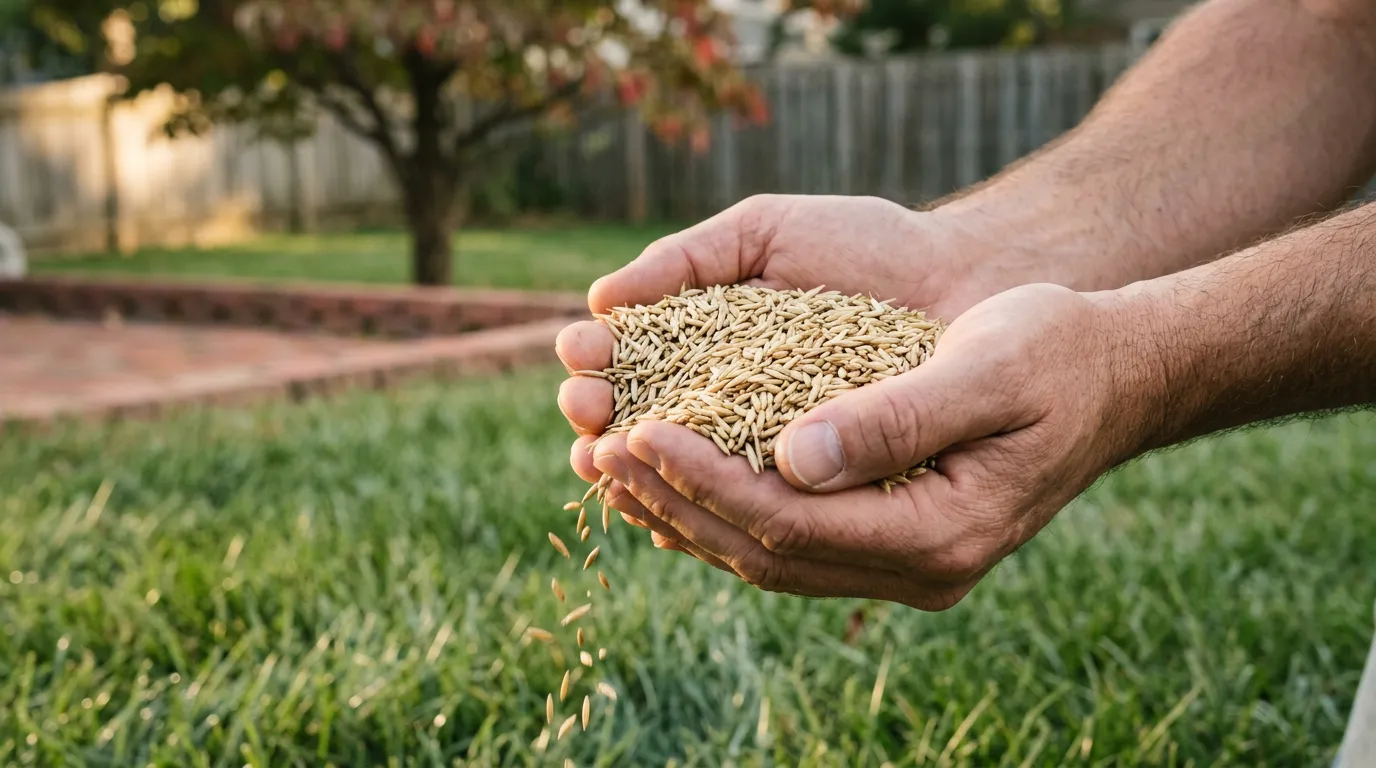
Preventing lawn disease is far less costly and disruptive than recovering from it. Nature's Select® helps property owners throughout Chapel Hill, Pinehurst, Greensboro, and Winston-Salem, NC, build the kind of strong, healthy turf that resists disease pressure before it begins — using eco-friendly programs tailored to the specific conditions of each lawn. Beyond disease prevention, we also offer weed control, insect control, and lawn aeration to keep your turf performing at its best all year long. Request an estimate at (888) 786-9735 and give your lawn the best possible head start this spring.