3 Steps to Differentiate Between a Pest & a Disease
If you're an avid gardener, you know how it can be frustrating to see your plants and lawn getting destroyed or damaged. Unfortunately, it can be tricky to differentiate between a pest and a disease. So, how can you tell the difference? Thankfully, you've got Nature's Select Sandhills here to explain.
Step 1: Identify the Symptoms
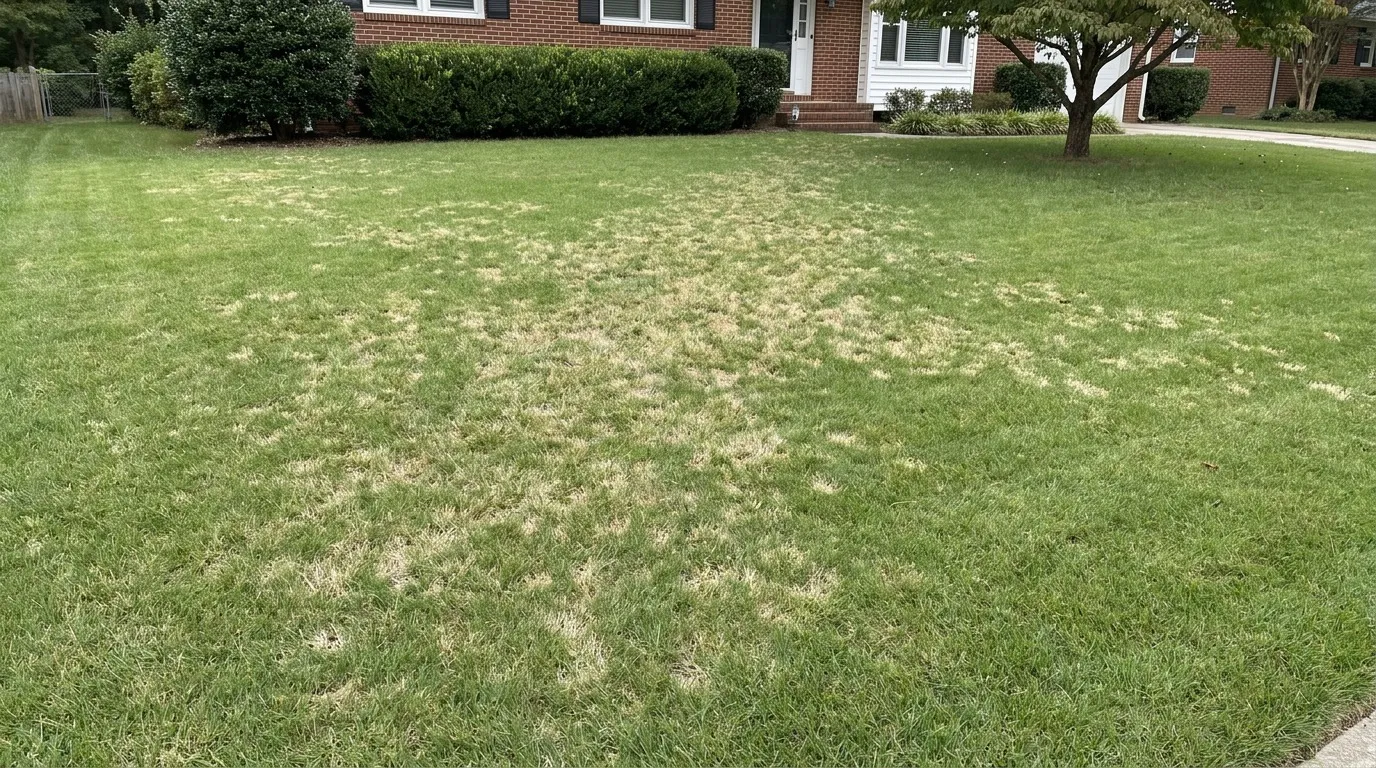
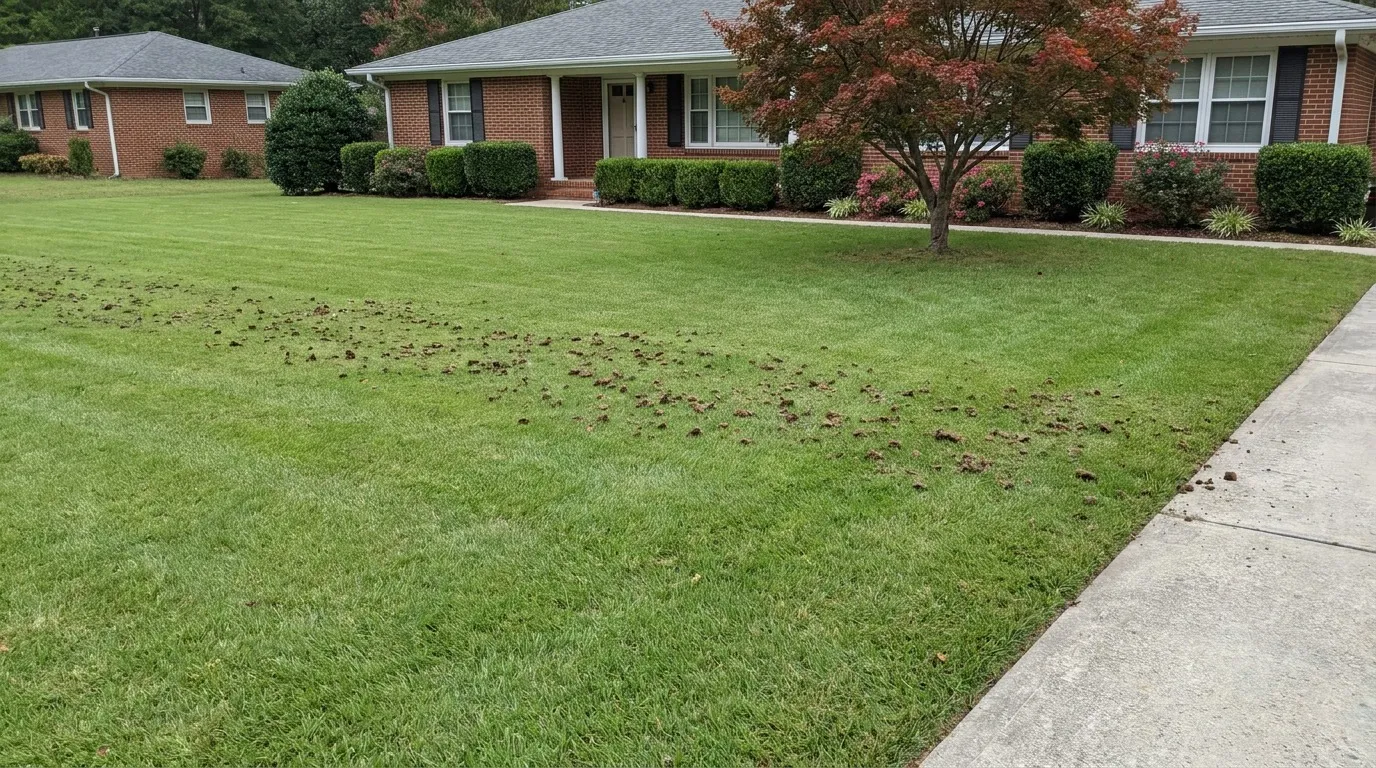
The first step to differentiate between a pest and a disease is to identify the symptoms. Pests will generally chew and suck on plant leaves, leaving your plants with yellow or white spots. Alternatively, a disease will typically spread through the entire plant. In its wake, it leaves it with brown spots, wilted leaves, and a generally less healthy appearance.
Step 2: Inspect the Plants
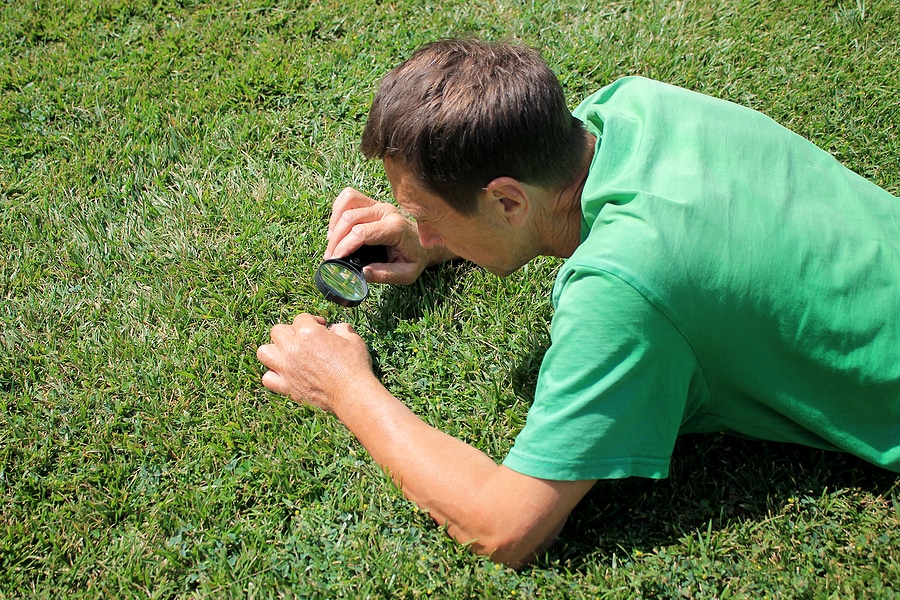
Your second step is to inspect the plant closely. If you see insects or any other organisms like caterpillars or spider mites crawling on your plant, it is a sign of pest infestation. On the other hand, if there are no visible pests, but leaves are drooping, then it is an indication of a disease. In addition, pests leave other tell-tale signs, such as a slimy trail, such as snails or slugs, or holes in foliage.
Step 3: Find the Cause of Infestation or Spread
The next step is to determine the cause of the infestation or spread of the disease. Is it because the plants were stressed due to pests, which left them vulnerable to disease, or did the disease weaken the plants, making them prone to pest attacks? Insect damage also makes it easier for disease to spread, and if the disease has already spread to an area, then it may bring more pests in invading the garden.
Prevention Always Plays a Role
It is essential to take preventive measures to stop both pests and diseases from ruining your lawn and garden. Some species are more susceptible than others, so selecting plant varieties that are known to be resistant, fertilizing adequately, keeping the soil moist but not waterlogged, and regularly inspecting your plants can prevent infestations. If you still have issues, then it's time to call in the experts of Nature's Select Sandhills. We proudly serve lawns around Pinehurst, NC. So, request your lawn disease or pest control estimate today by calling (910) 757-0359.