3 Types of Lawn Diseases
After spending time and money on your lawn, the last thing you want to see is a defect. But the truth of the matter is, your lawn is a living, breathing organism, and you should let Nature's Select Piedmont care for it. We know all the types of lawn diseases and fungi that can take hold of your lush, green lawn, which means we also have the capability to correct a problem. So, if you find one of these three lawn diseases choking your lawn, give us a call.
1. Fairy Ring Disease
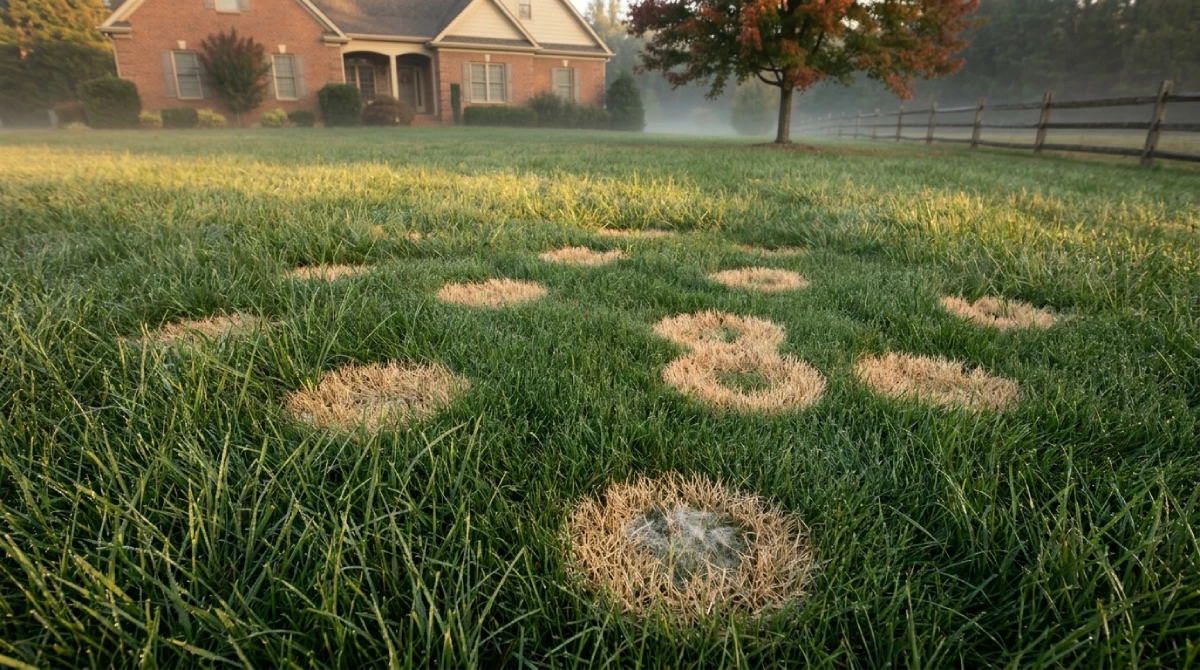
Fairy rings appear as you might think: Rings. There are usually three types of fairy rings that can cause damage to your lawn, but only one has a lasting impact. The most harmful fairy rings are the largest ones, which tend to look like brown or dark green raised patches of grass. While not symmetrical, these rings can't be mistaken for anything other than fairy ring disease due to the mushrooms that appear around the edge.
2. Brown Patch
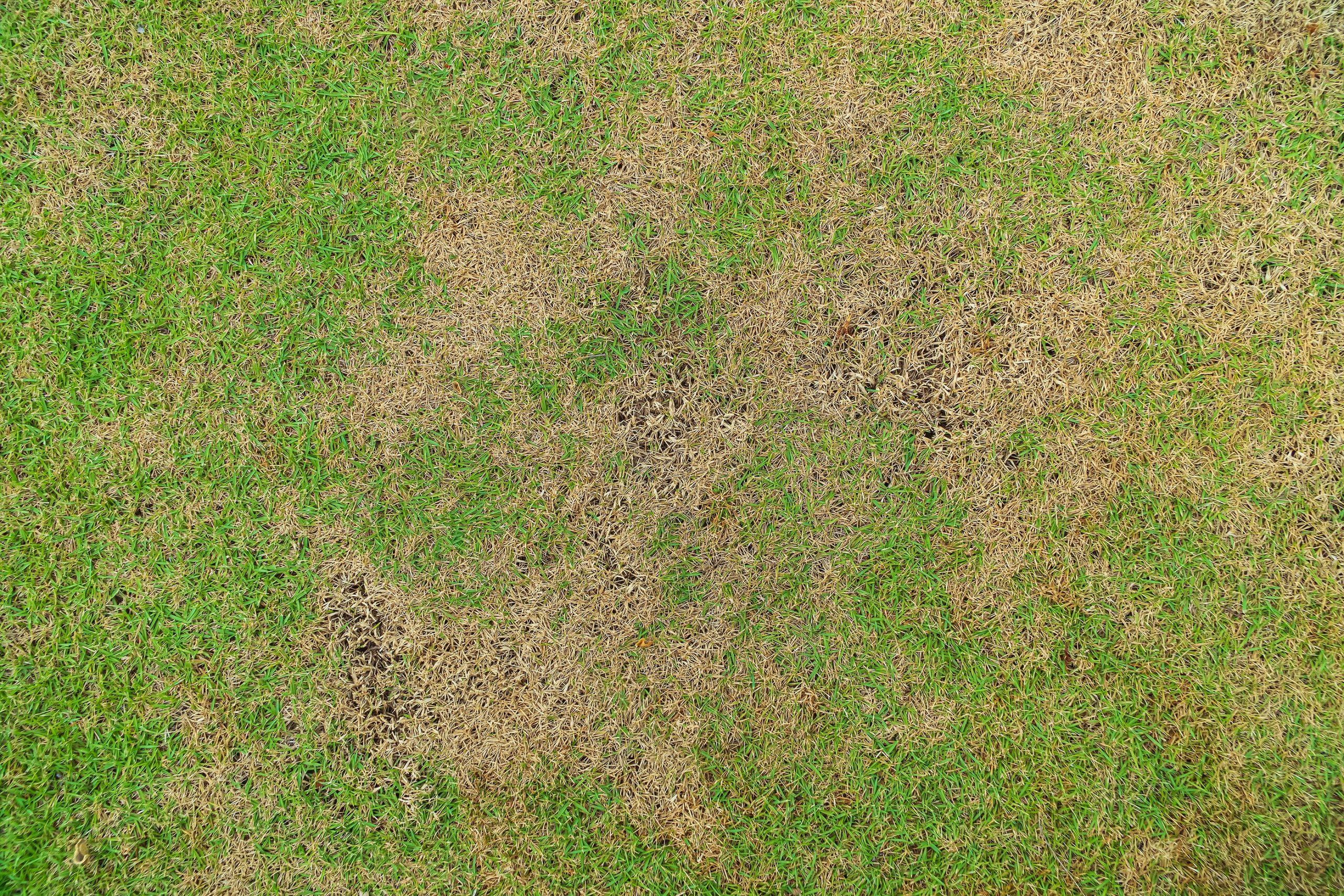
The Rhizoctonia fungi are responsible for the brown patch disease. This lawn defect is most common in cool-season grasses, but is usually most prolific during the summer months. Brown patch appears as large, dead circular patches throughout your yard. Unfortunately, they usually start out small, making it hard to identify them until it spreads out to a larger area.
3. Pink Snow Mold
Contrary to what you might think, pink snow mold doesn't actually need snow to grow. It also only appears pink for a short period of time. Most homeowners don't realize they have snow mold until spring when matted, cobweb-like patches appear from under the melting snow. As the temperatures warm, the spots shrink, making it appear like the mold never even existed.
The Best Lawn Disease Control
Did you know there are more than 100 diseases that can affect your turf in Piedmont, NC? Thankfully, the knowledgeable team at Nature's Select Piedmont has created a biological plan that works with the ecosystem of your lawn. In addition to helping homeowners with their lawn diseases, we also care for boxwoods, aeration and seeding, and take care of common lawn pests. To get your free estimate, call (336) 544-4554.