Can Aeration Help Reduce Bare Spots Across Your Lawn?
Yes, aeration can help reduce bare spots when compacted soil is the reason grass is struggling. By opening small channels in the soil, aeration lets air, water, and nutrients reach the roots, giving existing grass room to spread and new seed a better place to take hold.
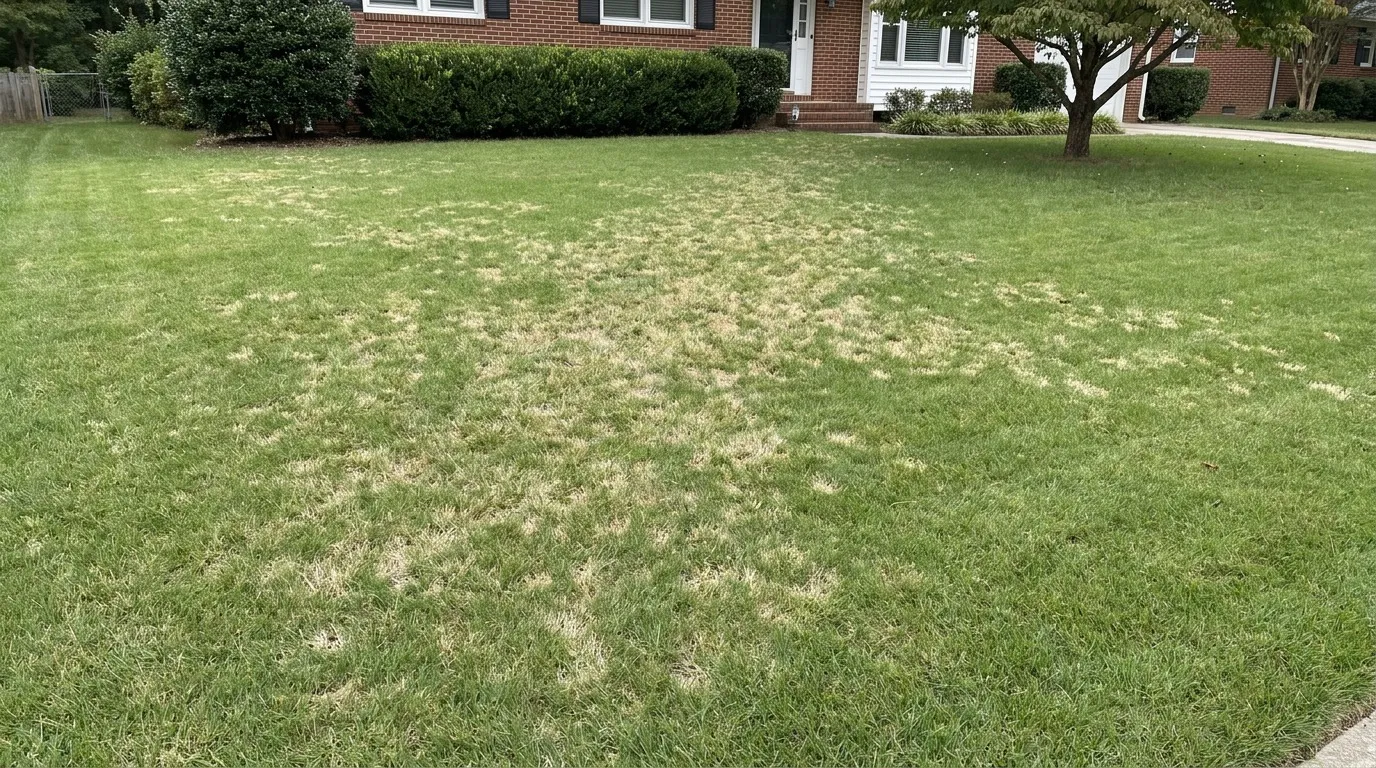
Bare spots can make an otherwise healthy yard look uneven and neglected, and in many cases these thin or patchy areas are more than a cosmetic problem. They often point to something happening below the surface, such as soil that has packed down so tightly that roots cannot grow, water cannot soak in, and new grass never gets the chance to fill the gap.
Professional lawn aeration services in Pinehurst can help improve those soil conditions, allowing grass roots to access the air, water, and nutrients they need to thrive. When aeration is combined with proper lawn care practices, it can support stronger turf growth and help reduce bare spots over time, which is why understanding how bare areas develop is the first step toward restoring a fuller, greener lawn.
Common Causes of Bare and Thin Lawn Areas
Bare spots can develop for several reasons, and the cause is not always obvious from the surface. Some patches come from environmental conditions such as heat, drought, or standing water, while others trace back to how a lawn is used and maintained week to week. In most yards, two or three of these factors work together, which is why a single quick fix rarely solves the problem for good.
Common causes include:
- Heavy foot traffic
- Compacted soil
- Poor drainage
- Drought stress
- Insect activity
- Disease issues
- Excessive thatch buildup
- Improper mowing practices
When these factors persist, grass may struggle to establish strong roots, leaving certain sections of the lawn thin or completely bare. The pattern of the damage often gives a useful clue about where it came from, so it helps to look closely at where the bare spots sit, how they are shaped, and when they first appeared.
| Bare spot pattern | Likely cause | What it usually means for the soil |
| Worn strip along a path, gate, or play area | Heavy foot traffic | Soil is packed down and roots cannot spread |
| Patch that stays wet after rain | Poor drainage or compaction | Water sits on the surface instead of soaking in |
| Thin area near a driveway or new construction | Compacted fill soil | Soil was pressed down by equipment or grading |
| Irregular brown patches that pull up easily | Insect activity | Roots have been damaged below the surface |
| Circular or spreading spots in humid weather | Disease issues | Moisture and soil conditions are favoring fungi |
| Spongy, thin turf with dead layer at the base | Excessive thatch buildup | Water and nutrients are not reaching the soil |
Because so many of these problems share the same root cause, compacted soil deserves a closer look, especially in yards where the grass keeps thinning in the same places year after year even with regular watering and feeding.
How Soil Compaction Contributes to Turf Loss
Soil compaction is one of the most common causes of patchy grass. Over time, soil particles become pressed together, reducing the spaces that normally allow air, water, and nutrients to move freely. Those small spaces are where roots grow and where the beneficial soil life that supports a healthy lawn does its work, so losing them affects the grass in several ways at once.
Compacted soil can make it difficult for grass roots to expand and access essential resources. Even when homeowners water regularly or apply fertilizer, much of the benefit may remain near the surface instead of reaching the root zone. In practice, this shows up in a few familiar ways:
- Water runs off or puddles instead of soaking into the ground
- Fertilizer stays near the top of the soil and feeds shallow roots
- Grass dries out quickly during hot stretches in summer
- Roots stay short and thin, so turf pulls up easily
- Weeds that tolerate hard soil move into the thin areas
In areas where people frequently walk, play, or drive equipment across the lawn, compaction can develop more quickly. According to NC State Extension, foot traffic, mowing, recent home construction, and even rainfall can all contribute to compaction, and the problem is especially common in clay soils found across much of the state.
Sandhills properties around Pinehurst, Southern Pines, and Aberdeen are not immune, even though much of the local soil is sandy and drains quickly. Yards that were graded during construction, lots with denser soil layers below the surface, and the paths people walk every day can still pack down over time. As root growth becomes restricted in those areas, grass may weaken and eventually thin out, creating visible bare patches that do not recover on their own.
The Connection Between Aeration and New Growth
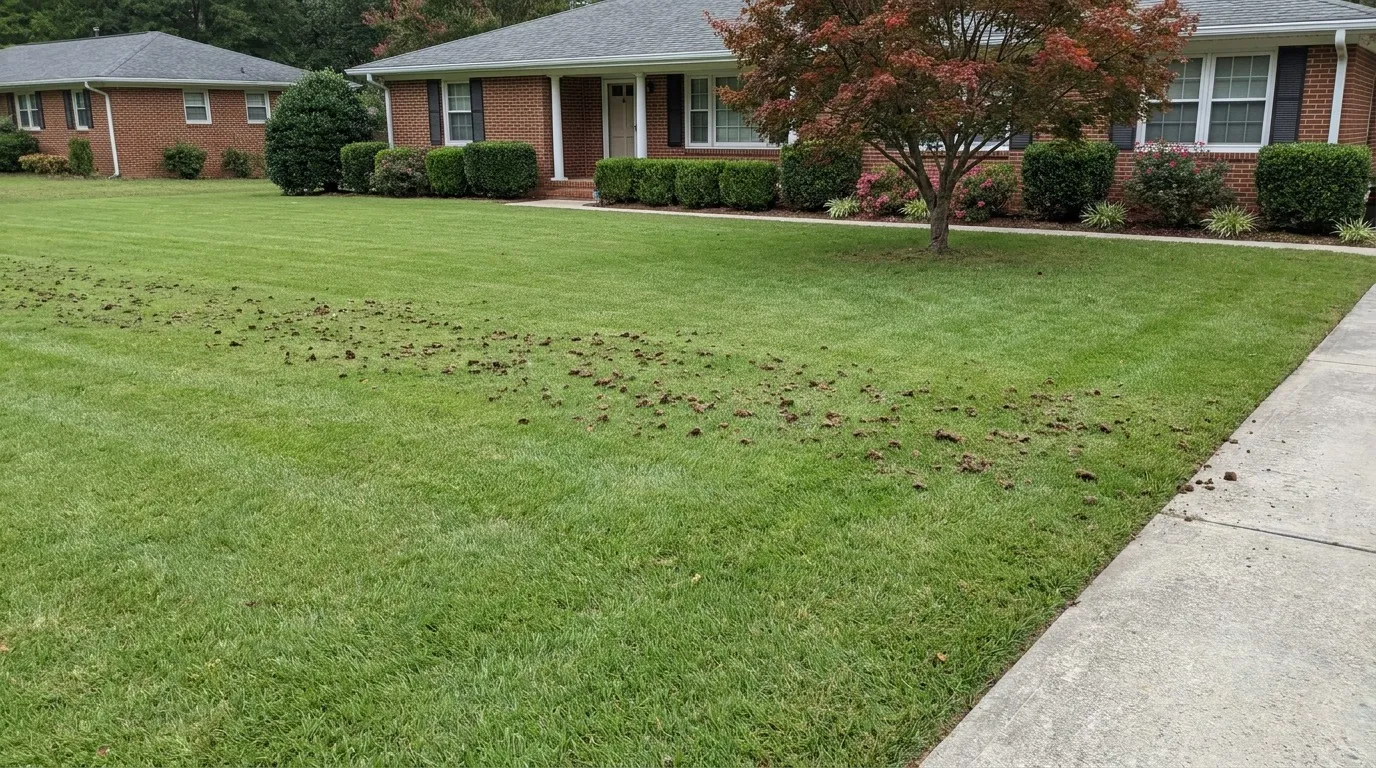
Aeration relieves soil compaction by creating small openings throughout the lawn. Core aeration removes small plugs of soil from the top few inches of ground and leaves them on the surface to break down. The open channels left behind improve airflow and help water and nutrients penetrate deeper into the soil profile.
By improving soil conditions, aeration can create an environment that supports healthier root development. Stronger roots often lead to thicker, more resilient turf that can better withstand environmental stress, and that density is what keeps bare spots from coming back.
Benefits of aeration may include:
- Improved oxygen flow to roots
- Better water absorption
- Enhanced nutrient availability
- Reduced surface runoff
- Stronger root development
- Healthier overall turf growth
Timing plays a large part in how well a lawn responds, because grass recovers fastest from aeration when it is actively growing. Most Pinehurst-area lawns are warm-season grasses such as zoysia, centipede, and bermuda, which grow most strongly in the heat of summer, while tall fescue lawns grow best in the cooler weather of fall. That difference is the reason lawn aeration services in Pinehurst follow a different calendar than many lawns farther north in the Triad and Triangle.
| Grass type | Common in | Aeration window | Bare spot recovery approach |
| Bermuda | Pinehurst, Aberdeen, Southern Pines | May through August | Spreads quickly by runners into open areas after aeration |
| Zoysia | Pinehurst, Seven Lakes, Southern Pines | May through August | Spreads slowly but densely once soil conditions improve |
| Centipede | Pinehurst and surrounding Sandhills | May through August | Fills in gradually by runners in full sun to partial shade |
| Tall fescue | Greensboro, Chapel Hill, some Sandhills yards | September through October | Aeration paired with overseeding to add new plants |
Warm-season aeration generally begins once surface soil temperatures reach about 70°F, so the right date can shift from one year to the next. While aeration isn't an instant solution, it often lays the foundation for long-term lawn improvement, and the results build as roots grow deeper over the following weeks and seasons.
Overseeding After Aeration for Better Results
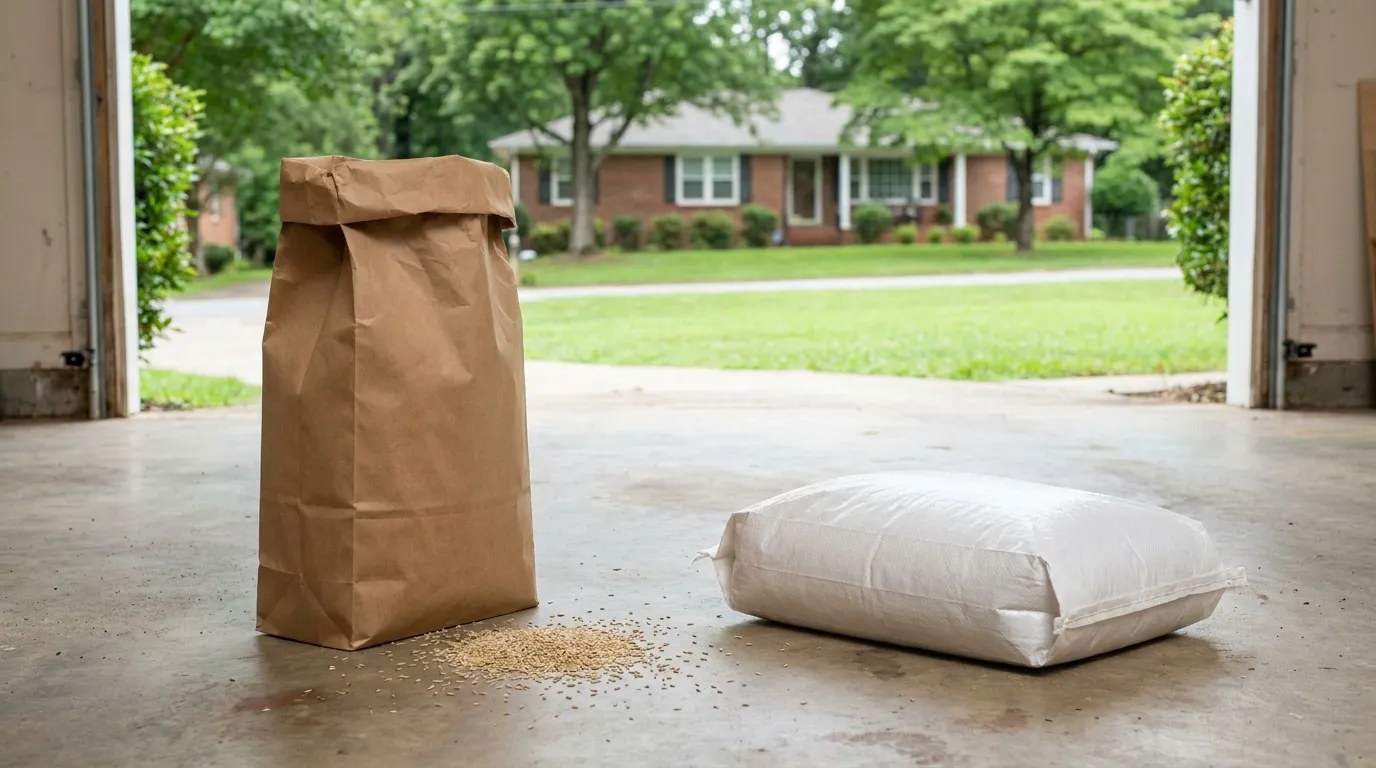
Many lawn professionals recommend overseeding shortly after aeration, particularly for cool-season lawns such as tall fescue. The small holes created during the aeration process provide ideal contact between grass seed and soil, which helps the seed stay in place, hold moisture, and send its first roots down into loosened ground.
This combination can help improve seed germination and encourage new grass growth in thin or bare areas. Overseeding also adds more grass plants, increasing lawn density and improving overall appearance. A few simple steps after seeding make a noticeable difference:
- Keep the seeded areas lightly moist until the new grass is established
- Hold off on heavy foot traffic over the bare spots for several weeks
- Delay the first mowing until the new grass reaches its normal mowing height
- Leave the soil plugs on the surface so they can break down on their own
When homeowners aerate and overseed together, they often achieve more consistent coverage and stronger turf establishment than with overseeding alone. For fescue lawns, that work happens from September through October, when the soil is still warm enough for germination and the air is cool enough for young grass to thrive.
Warm-season lawns follow a slightly different path. Bermuda, zoysia, and centipede spread through runners, so aeration in late spring or summer often gives the surrounding grass the room it needs to creep into bare areas. Seeding or patching may be added where a spot is too large to fill on its own. A professional assessment helps decide which approach fits each part of the yard.
Long-Term Lawn Maintenance Strategies
Addressing bare spots is often part of a larger lawn care plan. Once soil conditions improve, ongoing maintenance can help support healthy growth and reduce future turf problems, because the same habits that keep grass thick also keep compaction, weeds, and disease from gaining ground again.
Effective lawn maintenance strategies include:
- Watering deeply and consistently
- Following proper mowing heights
- Managing thatch buildup
- Applying fertilizer as needed
- Monitoring for pests and disease
- Scheduling aeration when appropriate
These practices work together to create healthier growing conditions and encourage thicker grass coverage throughout the lawn. Deep, less frequent watering trains roots to grow downward, while mowing at the right height for each grass type shades the soil and keeps it from drying out too quickly in summer heat.
| Maintenance practice | How it helps prevent bare spots | Seasonal focus for warm-season lawns |
| Deep, consistent watering | Encourages roots to grow deeper into the soil | Early morning watering during summer dry spells |
| Proper mowing height | Keeps turf dense and shades out weeds | Regular mowing through the summer growing season |
| Thatch management | Lets water and nutrients reach the soil | Checked during late spring green-up |
| Timely fertilization | Feeds roots when grass can use it | Applied during active growth, not dormancy |
| Pest and disease monitoring | Catches problems before turf dies back | Watched closely through summer heat and humidity |
| Regular aeration | Keeps soil loose so roots can spread | May through August, once soil warms |
Consistency matters more than any single treatment. A lawn that receives steady care through the year tends to recover faster from stress, and the soil itself improves season after season as roots grow deeper and the beneficial organisms in the soil become more active.
Why Professional Lawn Assessments Matter
Not every bare spot has the same cause. Some lawns may suffer primarily from compaction, while others may be affected by drainage issues, insects, disease, or nutrient deficiencies. Treating the wrong problem wastes time and money, and it can leave the real cause untouched while the bare area keeps growing.
A professional assessment can help identify the specific factors contributing to turf loss. By evaluating soil conditions, grass health, and environmental influences, lawn care professionals can recommend solutions tailored to the property's needs. A thorough assessment usually looks at several things:
- How firm the soil is and how well it takes in water
- Which grass type is growing and how dense it is
- Whether insects or disease are present in the thin areas
- How sun, shade, and slope affect different parts of the yard
- How the lawn is currently watered, mowed, and fed
Working with an experienced lawn care company in North Carolina can help homeowners develop a customized plan that supports healthier grass growth and long-term lawn performance. With a clear picture of what is happening below the surface, aeration, overseeding, and ongoing care can be timed and combined in the way that gives each part of the lawn a real chance to fill in.
Key Takeaways
- Bare spots often signal a soil problem, and compacted soil is one of the most common reasons grass fails to grow.
- Compaction squeezes out the air and water that roots need, so watering and fertilizing alone may not fix thin areas.
- Core aeration opens channels in the soil that let air, water, and nutrients reach the root zone.
- Warm-season lawns in the Pinehurst area are aerated from May through August, while fescue is aerated in fall.
- Overseeding after aeration helps fescue lawns fill bare spots, while warm-season grasses often spread into open areas.
- A professional assessment identifies the real cause of each bare spot so treatment targets the right problem.
Create Better Conditions for a Fuller Lawn
Bare spots rarely appear without a reason. In many cases, compacted soil limits the resources grass needs to grow and spread effectively, and until that changes, the same areas tend to thin out again no matter how much seed or fertilizer goes down.
Professional lawn aeration services in Pinehurst can help improve growing conditions by reducing compaction and encouraging stronger root development. For most Sandhills lawns, the steps toward a fuller yard follow a simple order:
- Identify the cause of each bare or thin area before treating it
- Aerate during the active growing season for the grass type in the yard
- Overseed or allow runners to fill in, depending on the grass
- Follow up with consistent watering, mowing, and feeding through the season
Combined with proper maintenance and timely overseeding, aeration can play an important role in supporting a healthier, more attractive lawn. Results build gradually rather than overnight, with the first visible changes often appearing within a few weeks and the strongest improvement showing by the second growing season as the soil continues to improve.
Frequently Asked Questions
Can I aerate my lawn if it already has bare spots?
Yes. Aeration is often one of the first steps in repairing bare spots, because it loosens the compacted soil that kept grass from growing there. Once the soil opens up, surrounding grass can spread into the area, or new seed can be added for fescue lawns.
How often should a lawn be aerated?
Most lawns benefit from aeration once a year, especially lawns with heavy foot traffic, clay soil, or a history of thinning. Lawns with lighter use and looser soil may need it less often, which a lawn assessment can help determine.
How long does it take for bare spots to fill in after aeration?
Many lawns show new growth within a few weeks, but full recovery depends on the grass type, the size of the bare area, and the weather. Bermuda tends to fill in quickly, while zoysia and centipede spread more slowly over the season.
Should I water my lawn after aeration?
Yes. Watering after aeration helps the soil settle and moves moisture into the open channels where roots can use it. If seed was added, keep the soil lightly moist until the new grass is established, then return to deeper, less frequent watering.
What happens to the soil plugs left on the lawn after aeration?
The soil plugs are left on the surface to break down over one to two weeks through rain, irrigation, and mowing. As they crumble, the soil works back into the lawn and helps the grass recover.
Is core aeration better than spike aeration for compacted soil?
Core aeration removes small plugs of soil, which creates real open space for air, water, and roots. Spike aeration only pokes holes and can press the surrounding soil tighter, so core aeration is generally the stronger choice for compacted lawns.
Conclusion
Bare spots are frustrating, but they are rarely random. When compacted soil is why grass keeps thinning out, aeration addresses the problem at its source by giving roots room to grow and letting water and nutrients reach where they are needed most. Paired with the right timing for each grass type, lawn aeration services in Pinehurst can turn patchy areas into thicker, more even turf over time.
Lasting results come from treating the soil and the grass as one system. Aeration, overseeding where it fits, and steady maintenance through the year all work together to keep bare spots from returning. Nature's Select® provides lawn care solutions designed to help homeowners maintain vibrant lawns year-round, starting with a clear look at what each lawn actually needs.
Request a Free On-Property Assessment