4 Problems Boxwood Hedges Face in the Fall
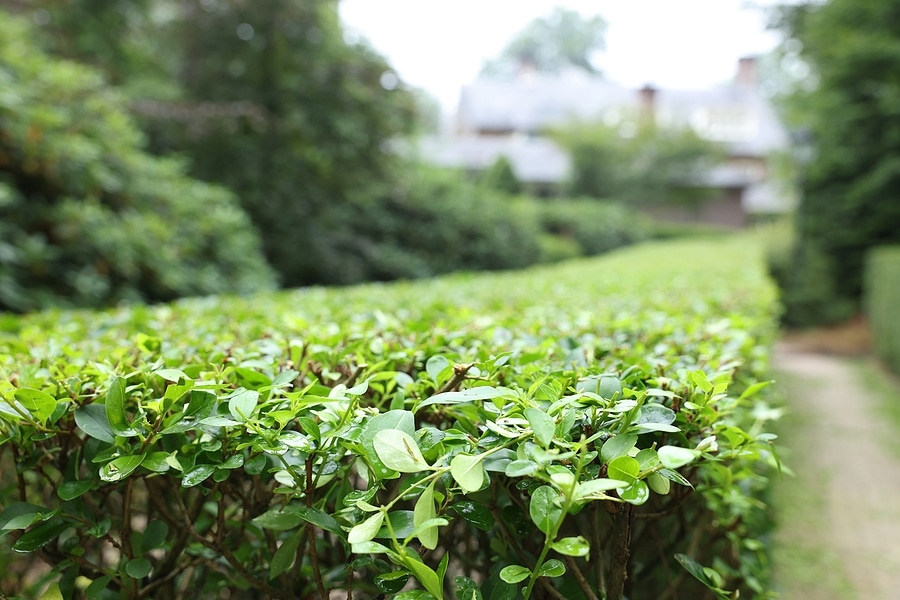
Autumn is a beautiful time of year, but it can also be a challenging season for boxwoods. Boxwoods can suffer from several problems during this time of year, such as fungal diseases and insect infestations. Still, there are many other challenges boxwood hedges face this time of year, and Nature's Select Piedmont can help fix them!
1. Root Rot
Root rot is a common problem faced by boxwoods during autumn. It is caused by a fungus that attacks the roots of the plant and can ultimately lead to death. The best way to prevent root rot is to water your boxwoods properly. Make sure the soil is moist but not wet, and don't water them too often. You should also avoid over-fertilizing your plants, as this can also lead to root rot. If your boxwoods are already affected by root rot, give us a call!
2. Pest Infestations
Pest infestations are another common problem faced by boxwoods during autumn. Boxwoods can be infested with a variety of different pests, including aphids, mites, scales, and beetles. The best way to prevent pest infestations is to keep your plants healthy and well-maintained. You can also use pesticides or insecticidal soaps to help get rid of pests. If you do notice an infestation, give us a call! We can help you get rid of the pests and keep your boxwoods looking their best.
3. Brown or Yellowing Leaves
There are several reasons why your boxwood hedges may be experiencing brown or yellow leaves. One possibility is that your plant is getting too much sun. Boxwoods prefer shady areas, so if they are planted in a sunny spot, they may start to brown or yellow. Another possibility is that your plant is not getting enough water. Make sure to water your plants regularly, especially during the fall season when the weather is dry.
4. Winter Burn
Winter burn is a common problem faced by boxwoods during the winter months. It is caused by a lack of water and too much exposure to winter sunlight, often leading to the death of the plant. The best way to prevent winter burn is to water your boxwoods regularly, especially during the fall season when the weather is dry. You can also use mulch to help retain moisture in the soil. Nature's Select Piedmont also applies horticultural oil to the leaves and stems, which protects them from winter sun and wind.
Protect Your Plants This Fall
Autumn can be a difficult time for boxwood hedges, as they are susceptible to several different problems. However, there are many preventative measures that keep your plants healthy and looking their best. Nature's Select Piedmont is here to help! We provide expert care for boxwoods throughout Piedmont and Greensboro, NC. We also offer lawn pest and disease control. So, contact us today at (336) 544-4554 to learn more.