Do Earthworms Go into Hibernation?
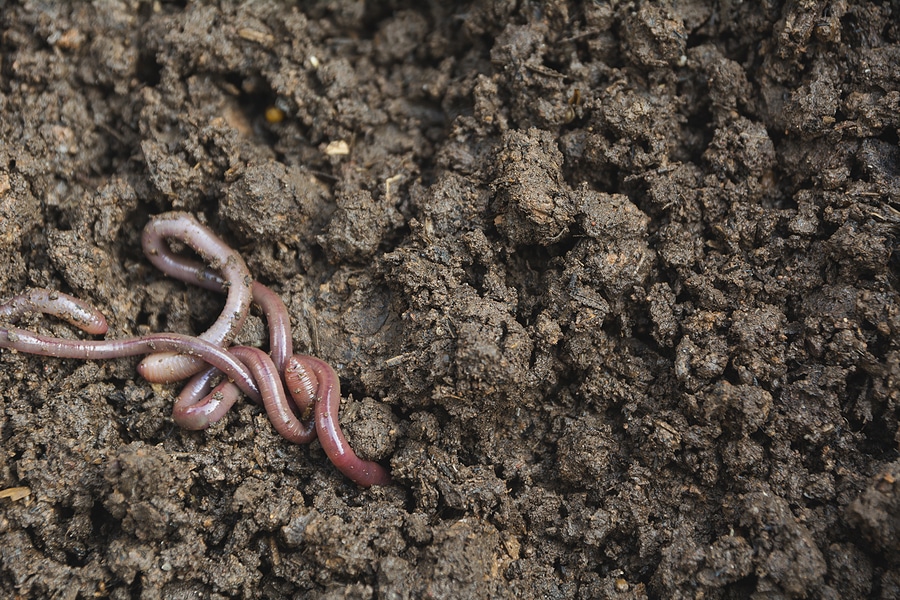
Do earthworms go into hibernation? This is a question that many people have asked, but the answer is not clear. Some people believe that earthworms burrow their lawns and go into a state of hibernation in the winter. Others believe that they remain active all year long. Below, Nature's Select Triangle explores both sides of the argument and lets you decide for yourself!
What is Earthworm Hibernation?
Earthworm hibernation, or diapause, is a state of reduced activity and metabolism that some earthworms enter into when it gets cold. This state is similar to hibernation in mammals, during which the body's functions slow down to conserve energy. There is evidence that some earthworms do, in fact, hibernate during the winter. For example, when the ground is frozen, and they can't burrow deep enough to find food, earthworms have been found inactive and unresponsive to stimuli. In addition, their respiration rates drop significantly when they are in diapause.
However, some people have observed earthworms moving around in the snow or digging down into the soil before it has a chance to freeze. This has led many to believe that earthworms do stay active in the deeper, warmer soil.
What is the Evidence Earthworms Hibernate?
Temperature plays a huge role in an earthworm's capability to survive and function. So, many believe that simply because the temperatures get cold and the ground freezes, earthworms go into hibernation status. Optimum temperatures for these crawlers tend to be between 50 and 60 degrees Fahrenheit. Additionally, food sources and supply may be cut off during the colder months, which is just another sign earthworms likely hibernate.
Is there Evidence to Suggest Earthworms Stay Active?
In North Carolina, winters can fluctuate and bring rain, snow, sleet, and ice. On warmer days, it's not uncommon for earthworms to escape their winter burrows underground and emerge. Additionally, slightly warmer temperatures and rain will bring them out of their winter dens, leaving many to believe these creatures don't hibernate at all.
Do You Think Earthworms Hibernate?
Whether you believe they do or they don't, one thing is certain: they are essential to the biological ecosystem of your lawn. That's why Nature's Select Triangle loves working with earthworms to promote a healthy, sustainable landscape. So, if you live in or around Chapel Hill, NC, contact us at (919) 240-4239 and get a free estimate on your lawn care and lawn disease treatment.