Fall Lawn Care: 4 Frequently Asked Questions
When it comes to your lawn care, there's a lot to know. If you don't consider yourself to have a green thumb, then you might struggle with keeping plants and your lawn alive. But don't worry. Whether you're a new homeowner or have been caring for your lawn for years, nature can always surprise you. Even the most experienced lawn caregiver has questions from time to time. So, it never fails that when fall rolls around, Nature's Select Piedmont gets a lot of questions about lawn care.
1. Do I need to aerate my lawn this year?
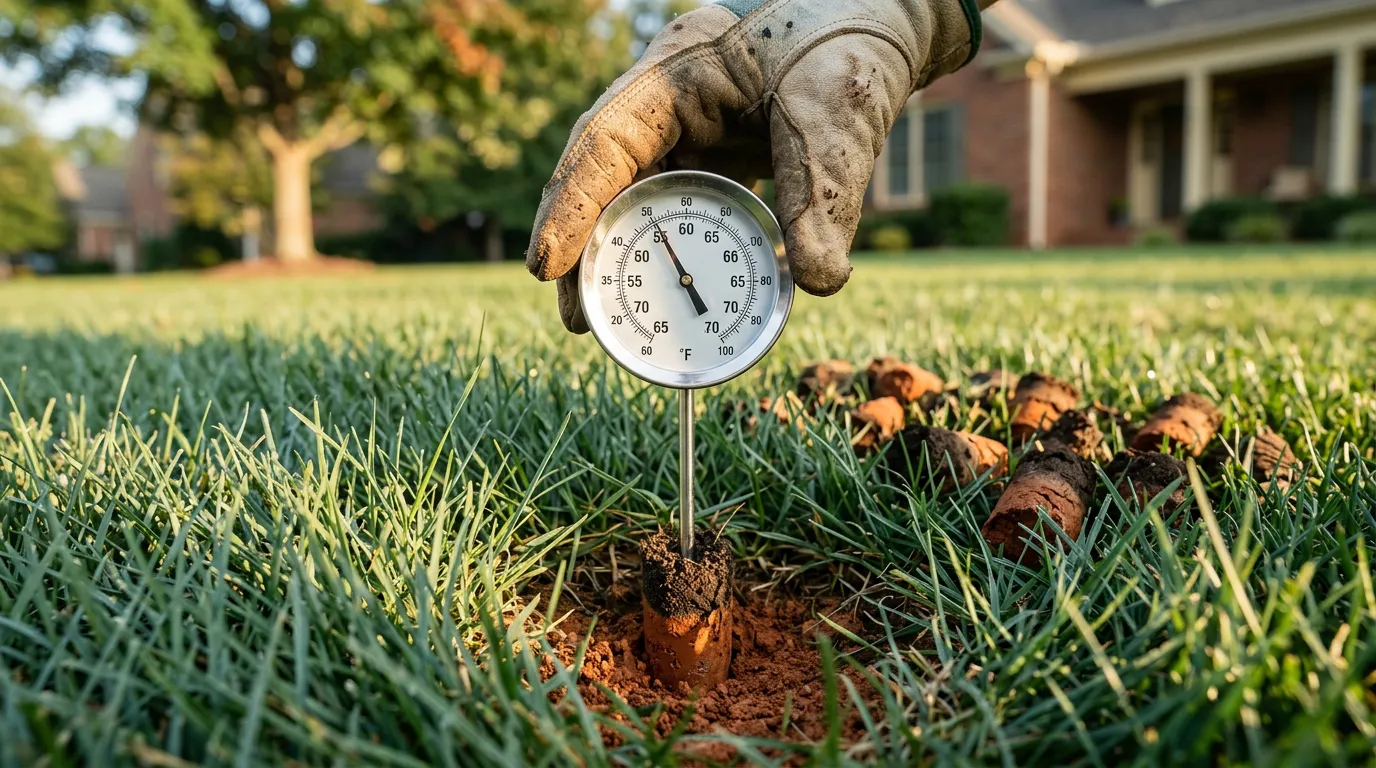
Aeration is an effective, budget-friendly way of revitalizing your lawn, especially after all the summer rains, activities, and foot traffic. With more activity in your lawn, soil can compact, reducing the flow of oxygen, water, and nutrients evenly throughout your soil. So, aerating once a year (especially with your fall fertilization) is always recommended. The flow of water, oxygen, and nutrients into the soil will give your lawn everything it needs to get through the winter and thrive in the spring.
2. When should I stop mowing?
When you stop mowing your lawn depends on your location. If you live in higher elevations where it gets colder sooner, then you'll want to mow your lawn right up to the first frost of the season. Lower your mower blades to cut the grass as short as possible, as this will help it stay upright under the weight of the snow. Tall grass tends to bend over, break, or even harbor molds and fungi under the snow, which will leave you with a bigger problem in the spring.
3. Should I water my lawn?
Throughout the year, your lawn's watering needs to fluctuate. In the summer, homeowners are on a strict watering schedule since the heat is extreme and rain is sporadic. However, once fall hits, many people assume they can just stop watering their lawns altogether. Unfortunately, this is not the case. In the fall, it is still crucial you monitor the weather and plan to water your lawn every two or three weeks right up until the first frost.
4. When should I seed my lawn?
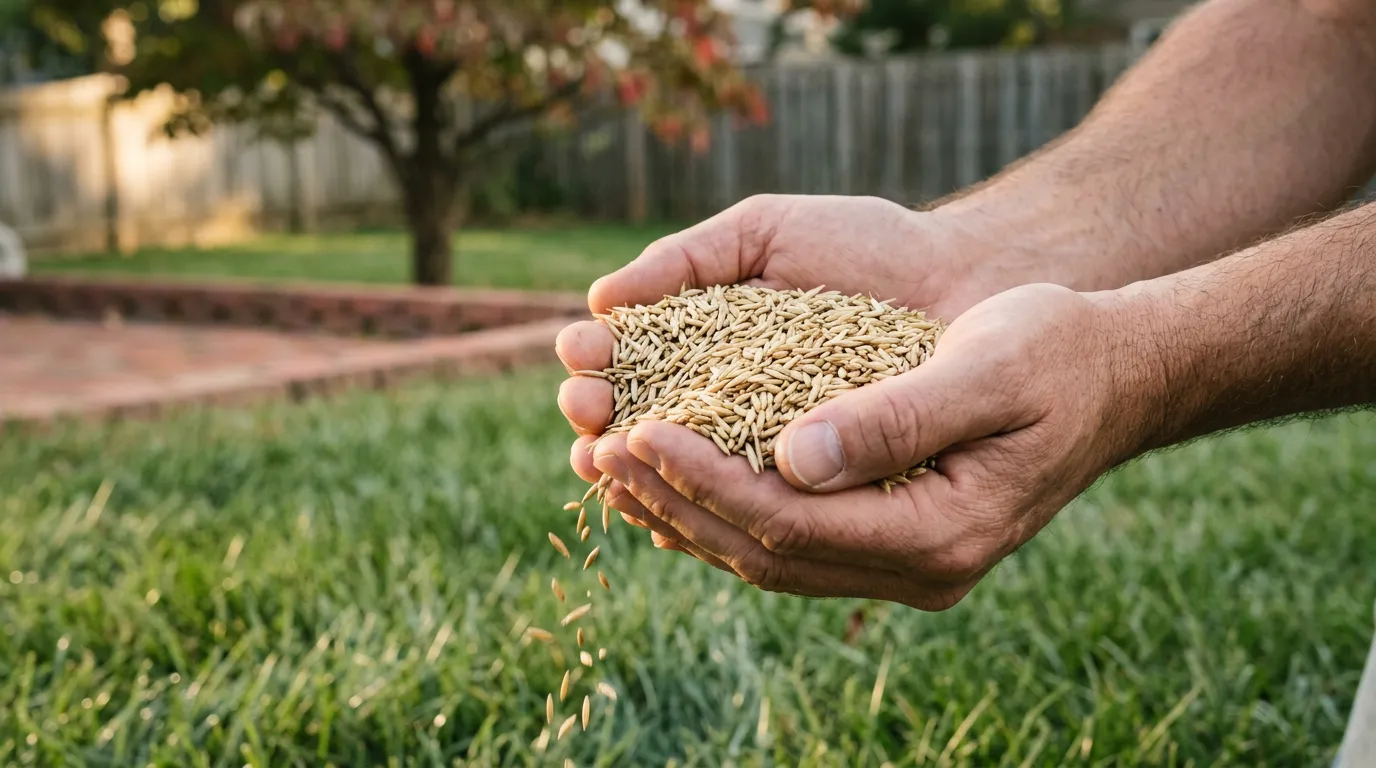
With cooler temperatures, warmer soil, and more precipitation, fall is a great time to seed your lawn. Seed germination rates tend to be higher in the fall, making it the most ideal time to seed a lawn. There's plenty of time for your new lawn to come up before the winter hits. Additionally, a fall fertilization schedule means you'll be giving your mature grass and your new seedlings everything they need to sprout, grow, and sustain the winter.
Let's Prepare Your Lawn for Fall
If you're ready to hand over your lawn care to a team of experts, then call Nature's Select Piedmont. We offer a variety of lawn care programs, including aeration and seeding, lawn disease control, and boxwood programs. So, if you live in Piedmont, Greensboro, or Kernsville, NC, call us today at (336) 544-4554.