Fall Weeds: How to Identify and Control Them

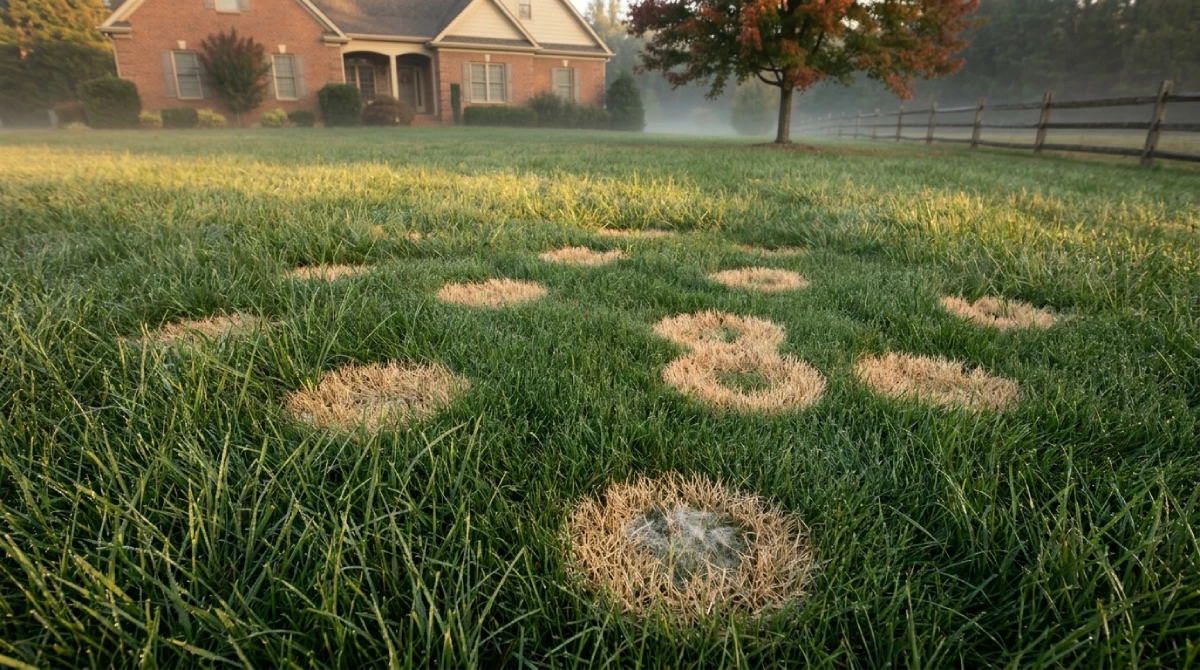
As the vibrant colors of summer yield to the warm hues of fall, we're all eagerly anticipating the cozy embrace of the new season. However, alongside the changing foliage comes a less welcome visitor — stubborn fall weeds. These unwelcome intruders can quickly turn your beautiful landscape into a battlefield, making it essential for homeowners to identify and tackle them before they take over. Here at Nature's Select®, we understand the frustration these seasonal weeds can bring, and we're here to help you reclaim your yard.
Identifying Common Fall Weeds
As cooler temperatures set in, it's important to be vigilant about spotting and identifying the common weeds that thrive during this period. Dandelions, with their distinct yellow flowers and fluffy seed heads, can quickly spread if left unchecked. Similarly, clover, while small and seemingly innocuous, forms dense mats that choke out desirable turfgrass. Another frequent offender is chickweed, recognized by its low-growing form and small white flowers — a common sight in the fall. Understanding the specific traits of these weeds is your first line of defense in ensuring your lawn remains lush and healthy.
Understanding Why Weeds Thrive in Fall
Fall is when many plants and weeds prepare for the dormant winter months. The primary reason some weeds flourish during this season is cooler temperatures and increased rainfall, which create ideal growing conditions. Weeds typically sprout before desirable grass species establish themselves, taking up space, nutrients, and sunlight. Identifying this competitive advantage is crucial for homeowners who want to maintain a weed-free lawn.
Techniques for Effective Weed Management
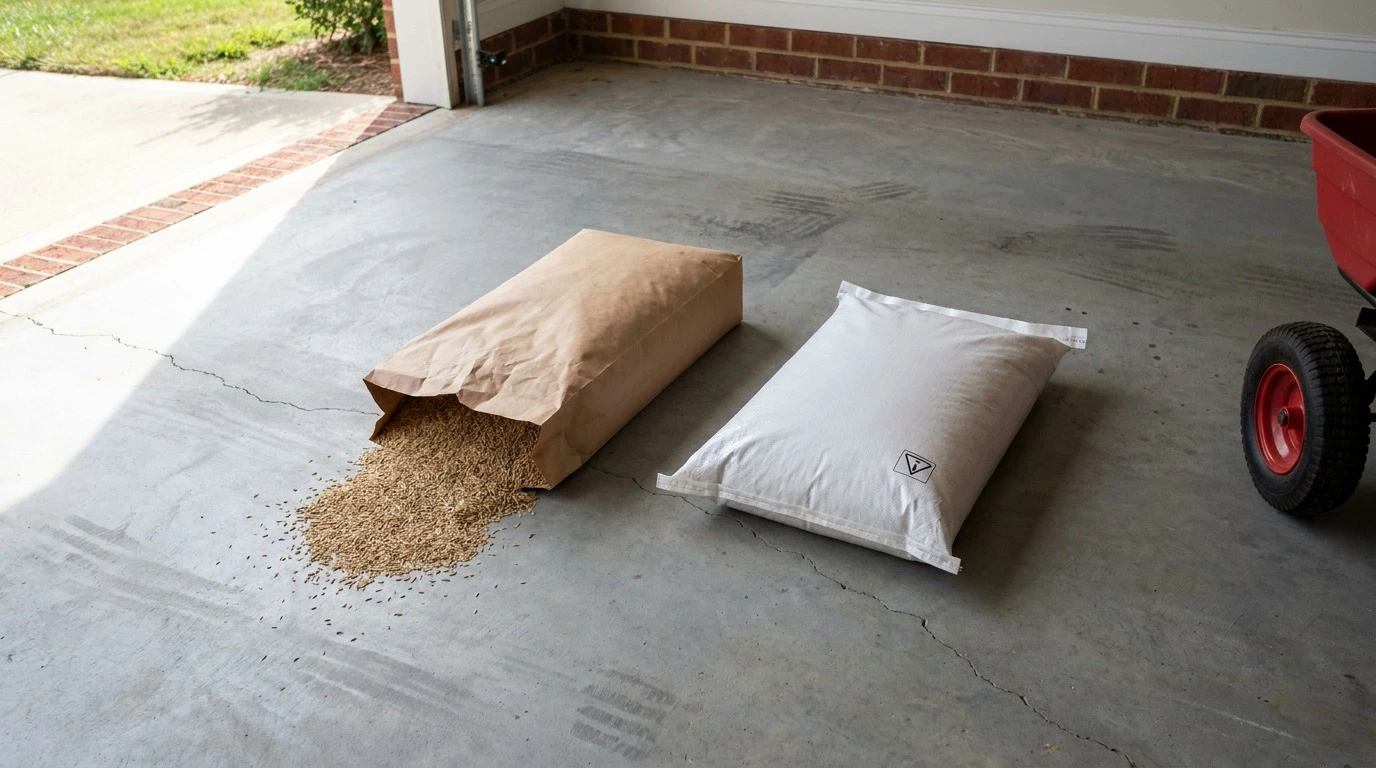
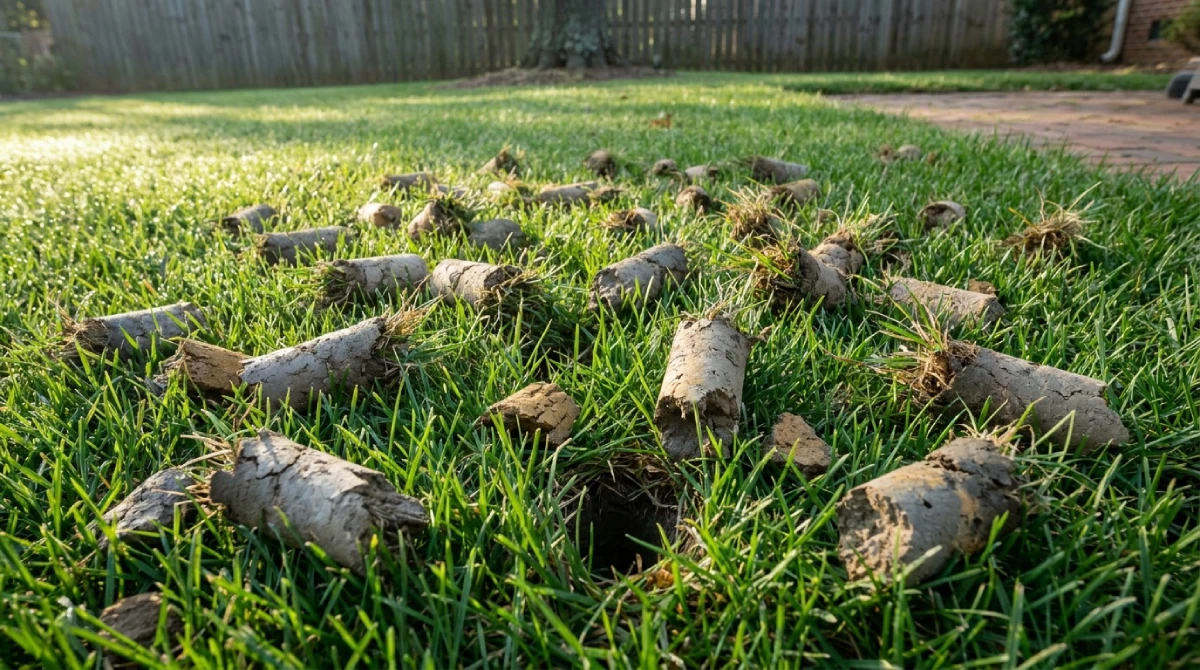
To effectively combat fall weeds, it's essential to follow a strategic approach. Begin with regular lawn maintenance — mow frequently and at the correct height to prevent weeds from gaining a foothold. Aerating your soil can improve its health, making it more resistant to weed invasion. Biological treatment options like pre-emergents stop weed seeds from germinating, while post-emergent solutions target existing weeds. Combining these strategies with tailored lawn care from Nature's Select® will further protect your green paradise.
Preserve Your Lawn's Beauty
Your lawn is an investment worth protecting, especially as fall weeds pose a persistent threat. As temperatures drop, now is the perfect time to secure your lawn's future with expert care. At Nature's Select®, we offer comprehensive lawn and soil care services designed to tackle fall weeds and support a thriving ecosystem. Our team is dedicated to providing tailored solutions that keep your lawn vibrant and resilient all year round. Contact us today at (888) 786-9735 for a free estimate and discover how our expert services can transform your Greensboro, NC, home’s landscape into a weed-free haven.