How to Spot Mole Activity: 5 Signs in Your Yard
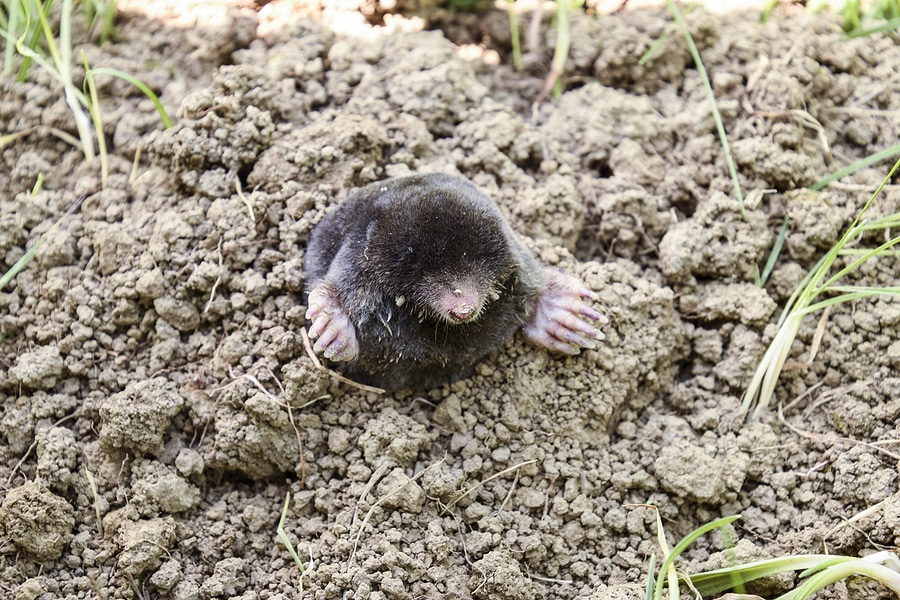
Are you noticing strange mounds of dirt popping up in your yard? These could be signs of mole activity, and it's important to address the issue before it damages your lawn or garden. Nature's Select Sandhills is here to help you identify mole activity and tell you what you can do about it.
1. Molehills
One of the most obvious signs of mole activity is the presence of molehills in your yard. These are small mounds of dirt that moles create as they dig tunnels underground. The size and shape of the molehill can vary depending on the species of mole, but they are usually round or oval-shaped with a hole in the center where the mole enters and exits its tunnel.
2. Surface Tunnels
Another sign of mole activity is the presence of surface tunnels running across your lawn. These tunnels are created as moles search for food near the soil's surface. They may appear as raised ridges or depressions in your yard, and they can cause damage to grassroots and plants.
3. Damage to Plants
Moles primarily feed on insects, grubs, and earthworms, but they may also eat plant roots if food sources are scarce. If you notice damage to your lawn or garden plants without any visible signs of pests, moles could be the culprit. Look for wilting or yellowing plants and holes around plant roots.
4. Runways
Moles create runways underground that connect their burrows and feeding areas. These runways can be detected by gently pressing down on the soil with your foot. If it feels spongy or gives way easily, there may be a tunnel underneath created by moles.
5. Noise
While moles are rarely seen above ground, you may hear them digging and moving around beneath the surface at night. If you listen carefully when it's quiet outside, you may be able to hear faint scratching or rustling sounds coming from below ground level.
An Indirect Approach
Moles are considered a protected species in North Carolina, which means that removal or extermination requires permits from the state. Therefore, the most effective way to deter them from your lawn is by eliminating their food source. Nature's Select Sandhills in Aberdeen, NC, is well-equipped to assist in this endeavor. We implement grub control and restore your lawn back to its former glory. With our help, you can enjoy a pest-free yard while also ensuring the protection and preservation of these creatures as mandated by state laws. Get your free estimate today at (910) 757-0359.