3 Ways to Prevent Soil Erosion
Soil erosion is one of the main challenges that prevent homeowners from having healthy, vibrant lawns. Erosion can cause soil compaction, which makes it difficult for your lawn to absorb water and nutrients. If you want to get the best out of your lawn, you must prevent soil erosion, and Nature's Select Piedmont is here with three tips on how to do just that.
1. Understand Your Soil Type
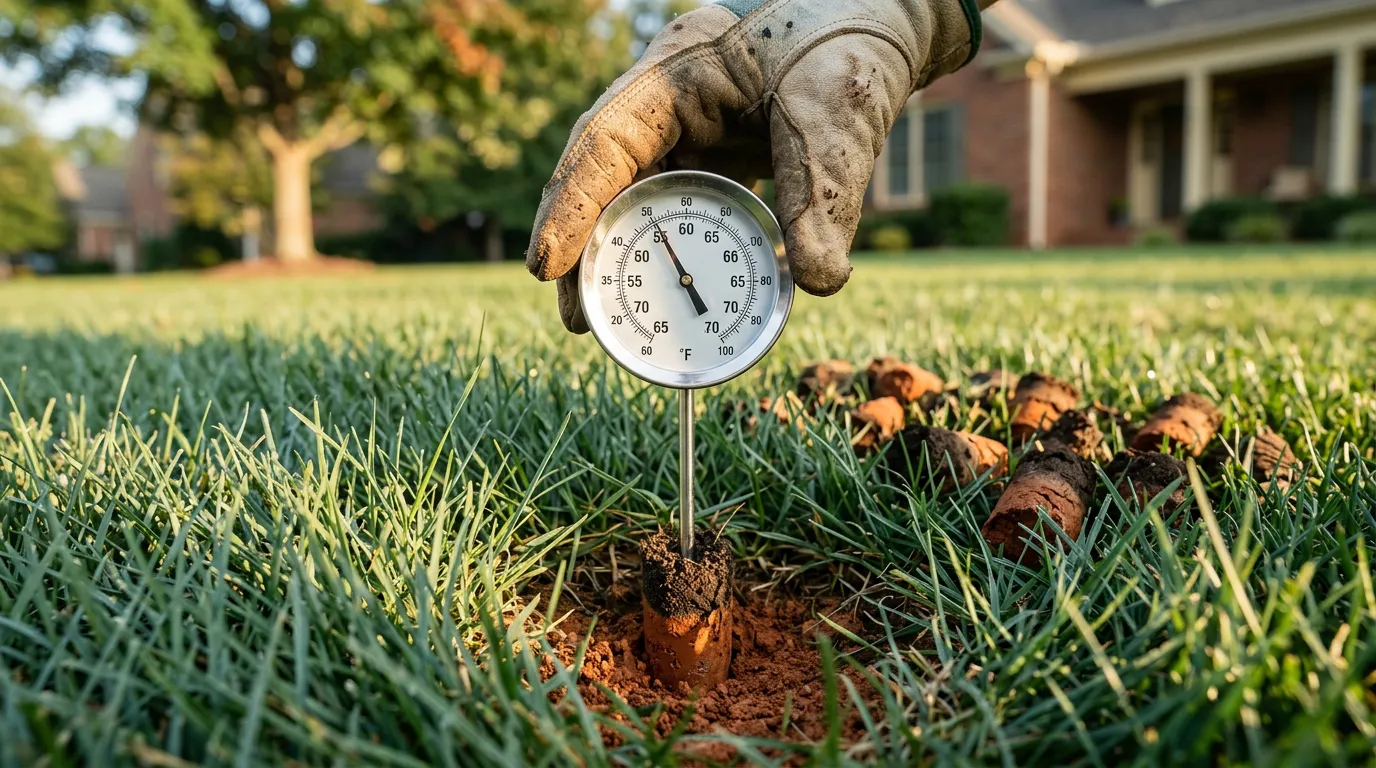
The first step in preventing soil erosion is to understand your soil type. Soil types determine how water is absorbed and retained and how it affects your lawn. For instance, sandy soil doesn't hold water well and is susceptible to erosion, while clay soil retains too much water, making it soggy and inhospitable for grass. You should enhance your soil's water retention capacity to build a strong foundation.
2. Install a Retaining Wall
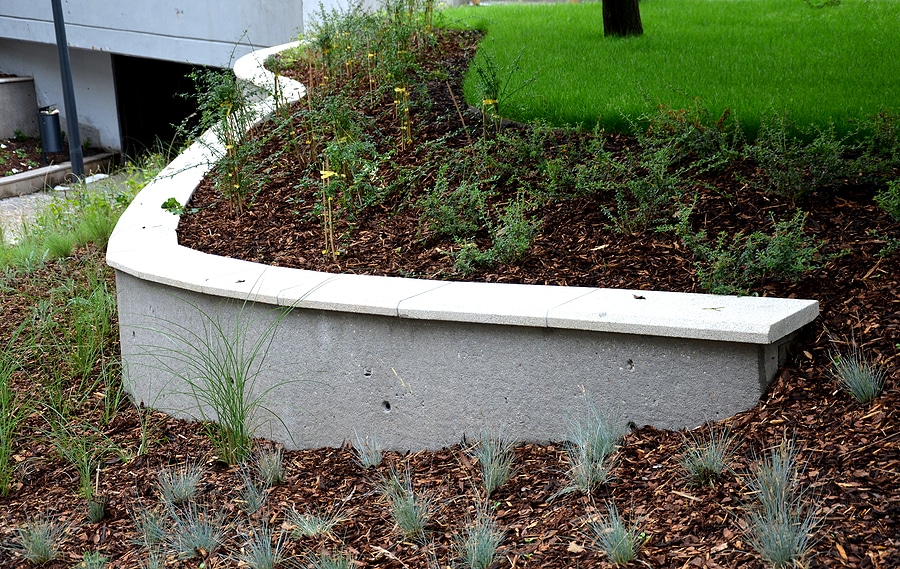
Another effective way to prevent soil erosion is by creating borders with retaining walls. Retaining walls prevent water from running off your lawn's edges while minimizing runoff effects by holding back soil. Retaining walls are particularly useful if you have a slope on your lawn. You can use bricks, rocks, or concrete to create the natural barrier.
3. Plant the Right Grass Type
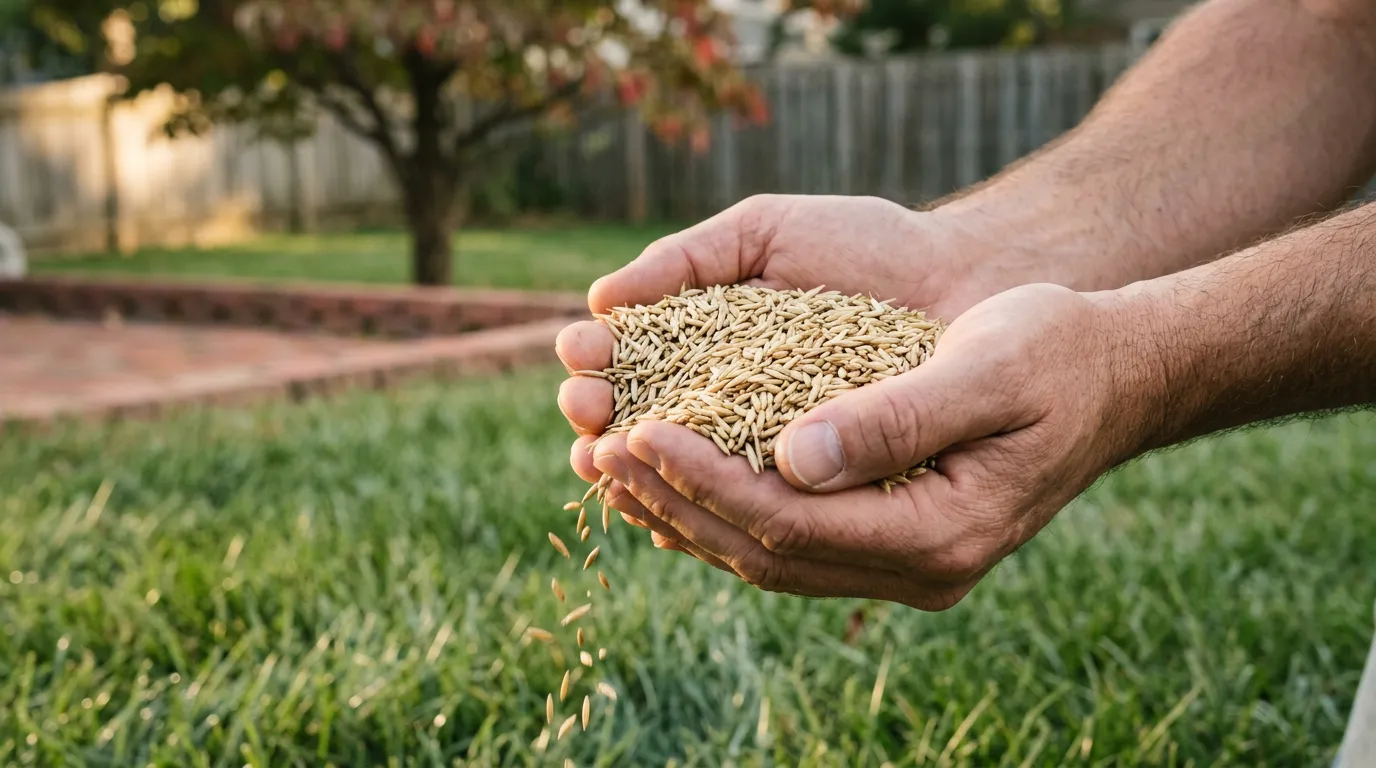
The type of grass you plant on your lawn can significantly impact soil erosion prevention. Some grass varieties, such as fescue, have deep roots that help to hold the soil together, while others, such as Bermuda grass, have shallow roots and are more susceptible to soil erosion. When choosing grass varieties, consider their root depth.
Learn to Work With Nature, Not Against It
Soil erosion is a significant challenge facing homeowners in their quest for beautiful lawns throughout Greensboro, NC. However, with the right strategies, you can overcome the erosion problem and enjoy a vibrant, healthy lawn. Still need help? Call Nature's Select Piedmont at (336) 544-4554. We work with nature, not against it, to help create that perfect landscape. Get a free estimate on our lawn pest control and lawn disease control today.