What Your Lawn Is Doing While It “Sleeps”

Spoiler alert: your lawn isn’t actually lazy. When your grass turns brown and slows down in the winter, it’s not giving up—it’s going into energy-saving mode. At Nature’s Select®, we know that what’s happening beneath the surface during this “sleep” phase is just as important as what you see in spring.
Your Blades Are Dormant, Not Dead
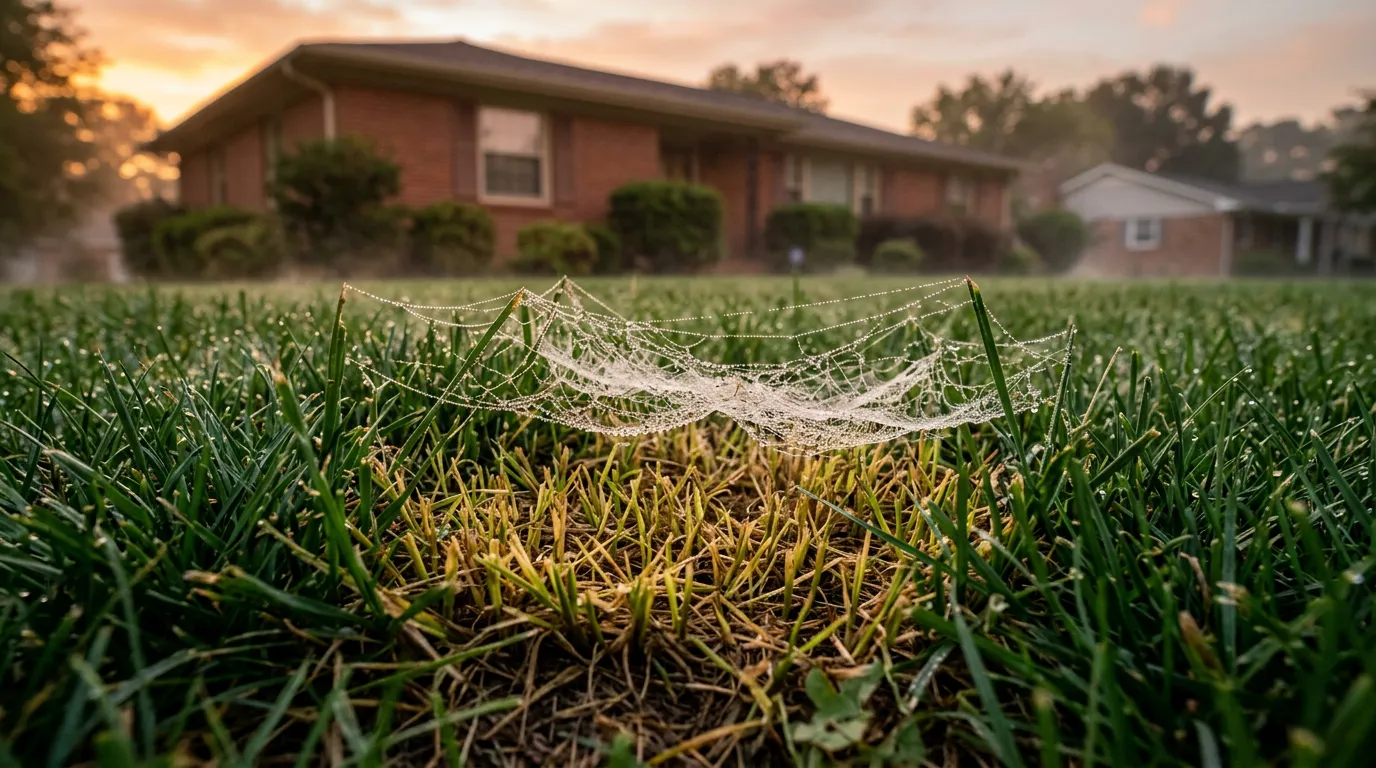
First things first: dormancy is a protective state, not a funeral. When temperatures drop, your turf slows above-ground growth to conserve energy. Instead of pushing out new blades, it’s shifting focus underground, protecting itself from cold, stress, and limited resources. That’s why it may look lifeless, but it’s very much alive and waiting for the right cue to wake up.
Roots Are Still at Work
While the top goes quiet, the roots quietly strengthen. During dormancy, your lawn stores carbohydrates and builds reserves for the upcoming growing season. Healthy roots now mean faster green-up, better color, and thicker turf when spring returns. This is one reason consistent, well-timed lawn care throughout the year pays off, even when you think nothing’s happening.
Soil Life Never Clocks Out
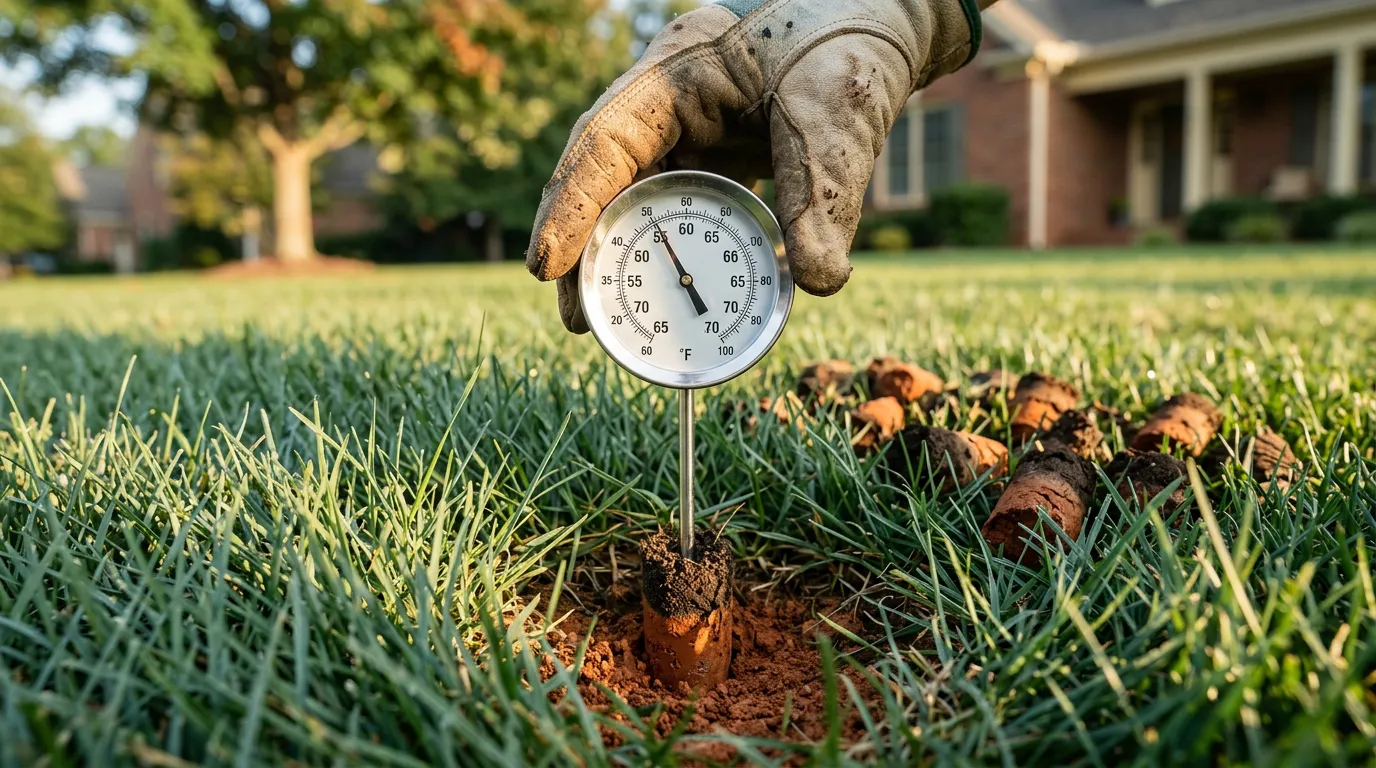
The soil beneath your lawn is its own busy neighborhood. Microbes continue to break down organic matter, cycle nutrients, and improve soil structure, even in cooler weather. An eco-friendly focused program like the ones we use at Nature’s Select® supports this hidden activity so your lawn can bounce back strong instead of struggling through spring.
Weeds & Insects Are Plotting Ahead
Just because your grass is resting doesn’t mean weeds and insects are taking the season off. Many weed seeds are settling in and getting ready to sprout when conditions improve. Certain insects overwinter in the soil or thatch layer, preparing for a comeback. That’s why year-round weed control and insect control are so important—they help protect your “sleeping” lawn from surprise attacks later.
Help Your Lawn Wake Up on the Right Side of Spring
When you understand what your lawn is doing while it “sleeps,” it’s easier to see why consistent care matters. Nature’s Select® in Chapel Hill, NC, offers ongoing lawn care, along with targeted insect control and proactive weed control, all designed to support your lawn from the roots up—through every season. Give your lawn the rest and support it deserves by requesting an estimate today at (888) 786-9735.