Why Eco-Friendly Lawn Care Programs Work Best Year-Round

If you’ve ever wondered why some Greensboro lawns stay lush and green no matter the season, here’s the secret: they’re not just cared for – they’re cultivated. At Nature’s Select®, we believe in working with nature, not against it. That’s the foundation of our eco-friendly lawn care programs, designed to keep your grass strong, resilient, and vibrant all year long.
How Eco-Friendly Lawn Care Is Different
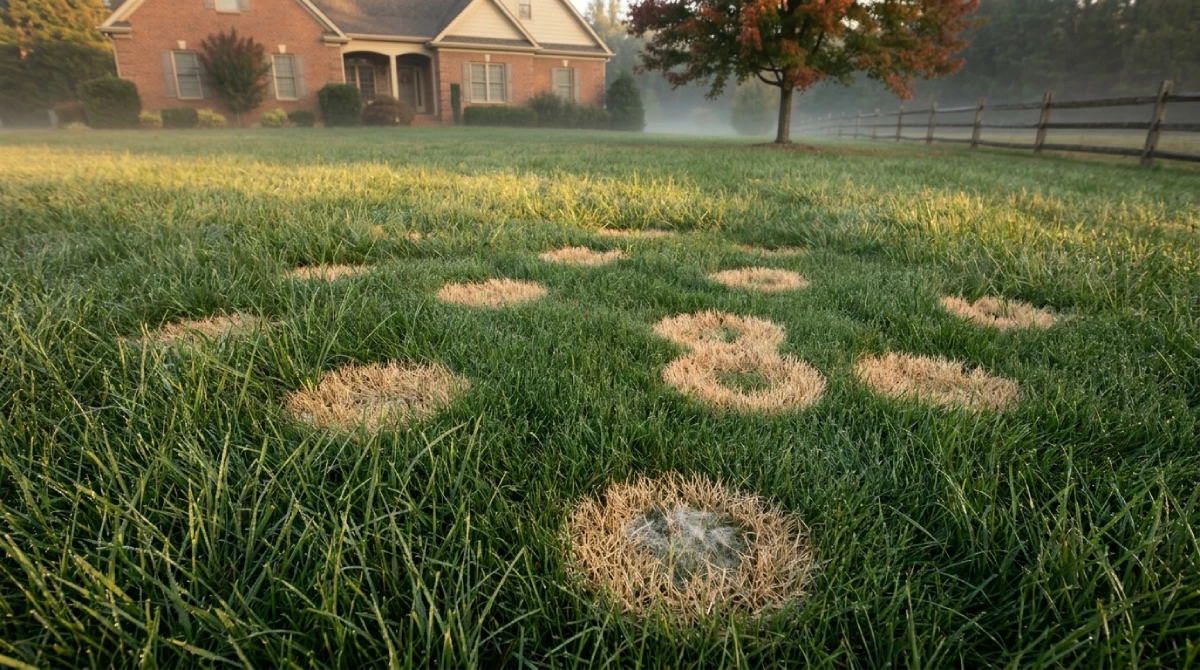
Traditional lawn care often relies on heavy chemical treatments that provide quick results – but at a cost. Over time, they can strip the soil of beneficial microbes, leading to weaker grass that’s more vulnerable to disease and drought.
Eco-friendly lawn care takes a smarter, more sustainable approach. Instead of treating symptoms, we improve the root of the problem, literally. By enriching the soil with natural, living organisms, we boost its health and structure so your lawn can thrive in every season.
The Year-Round Advantage
Greensboro’s climate means your lawn faces different challenges throughout the year—from scorching summer heat to chilly winter mornings. An eco-friendly program adjusts with the seasons, maintaining soil health through each change.
- Spring: Healthy soil jumpstarts growth, helping grass recover faster from winter dormancy.
- Summer: Deep roots and improved water retention help your lawn withstand drought and heat stress.
- Fall: The focus shifts to recovery and strengthening before cold weather arrives.
- Winter: Even while dormant, your lawn benefits from balanced nutrients that prepare it for spring’s comeback.
This continuous care means fewer weeds, less disease, and a more resilient lawn that stays beautiful no matter what the weather throws your way.
A Smarter Way to Grow
Eco-friendly lawn care is better for your grass and for the environment. By promoting natural balance, you reduce chemical runoff, protect pollinators, and create a healthier outdoor space for your family and pets. It’s an eco-friendly choice that doesn’t sacrifice results – in fact, it often improves them.
Grow Naturally, Thrive Year-Round
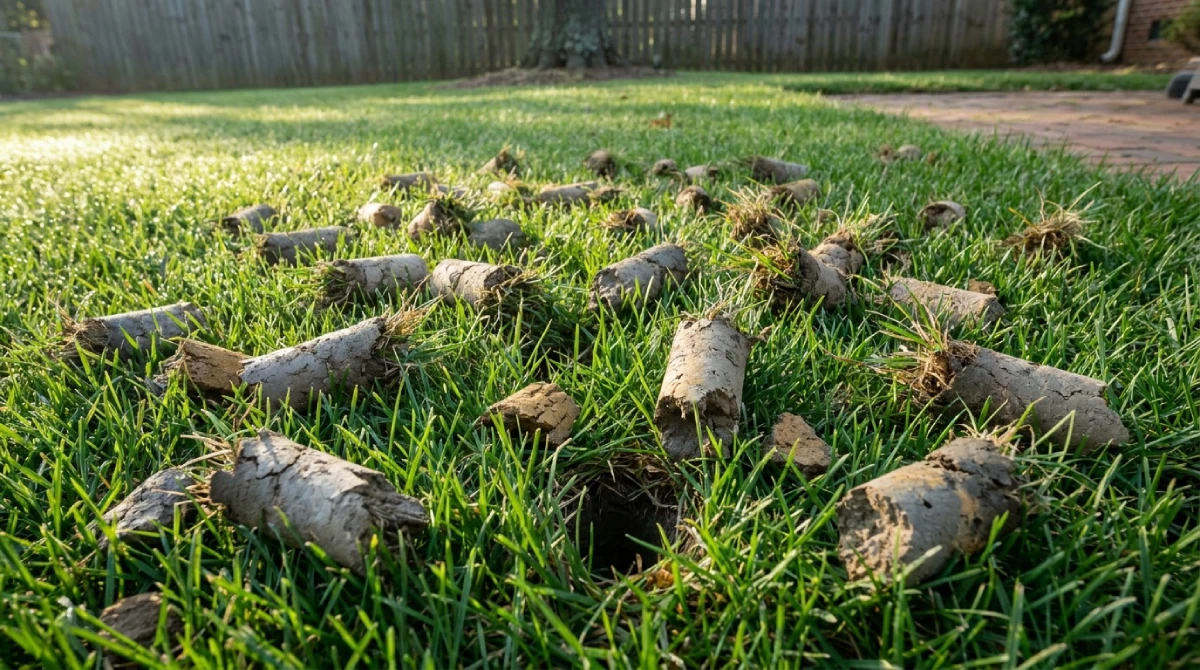
Give your lawn the long-term care it deserves with Nature’s Select® in Greensboro, NC. Our lawn programs, along with aeration and fall weed control, create a strong, thriving yard season after season. Request an estimate today at (888) 786-9735 and discover how easy it is to love your lawn the natural way!