Why Soil Compaction Is Bad for Your Lawn
Imagine your lawn as a lush, green carpet, soft and inviting come spring. But what if we told you that lurking beneath the surface lies a hidden nemesis that threatens to sabotage its health and beauty? It's soil compaction—the silent menace that can wreak havoc on your turf. Here at Nature's Select®, we know a thing or two about soil compaction and why it's bad for your lawn. Today, we’re sharing our expert insights on why soil compaction poses a serious threat to your lawn’s health and vitality.
The Downside of Compact Soil
Inhibits Essential Processes
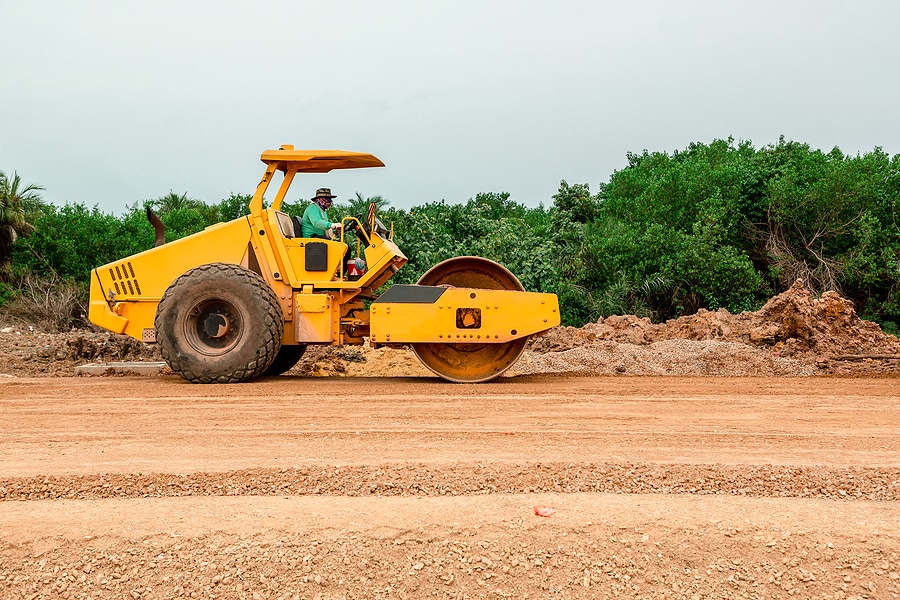
Soil compaction is like an unwelcome guest that overstays its welcome. When the soil becomes compacted, it loses its natural structure and becomes dense, leaving little room for air, water, and plant roots. This inhibits essential processes that your lawn needs to thrive.
Starves Your Lawn of Oxygen
Compact soil acts like a suffocating barrier, depriving your lawn of much-needed oxygen. Without sufficient oxygen, the roots struggle to grow and absorb nutrients effectively. This weakens the overall health of your grass, making it more susceptible to disease, pests, and other environmental stresses.
Creates Water Woes
Compacted soil also hampers water absorption, leading to poor drainage and waterlogged lawns. Excess water on the surface can drown your grass, promoting the growth of harmful fungi and water-loving weeds. Additionally, compacted soil prevents deep root penetration, making it challenging for your lawn to access water during dry spells.
The Nature's Select® Solution
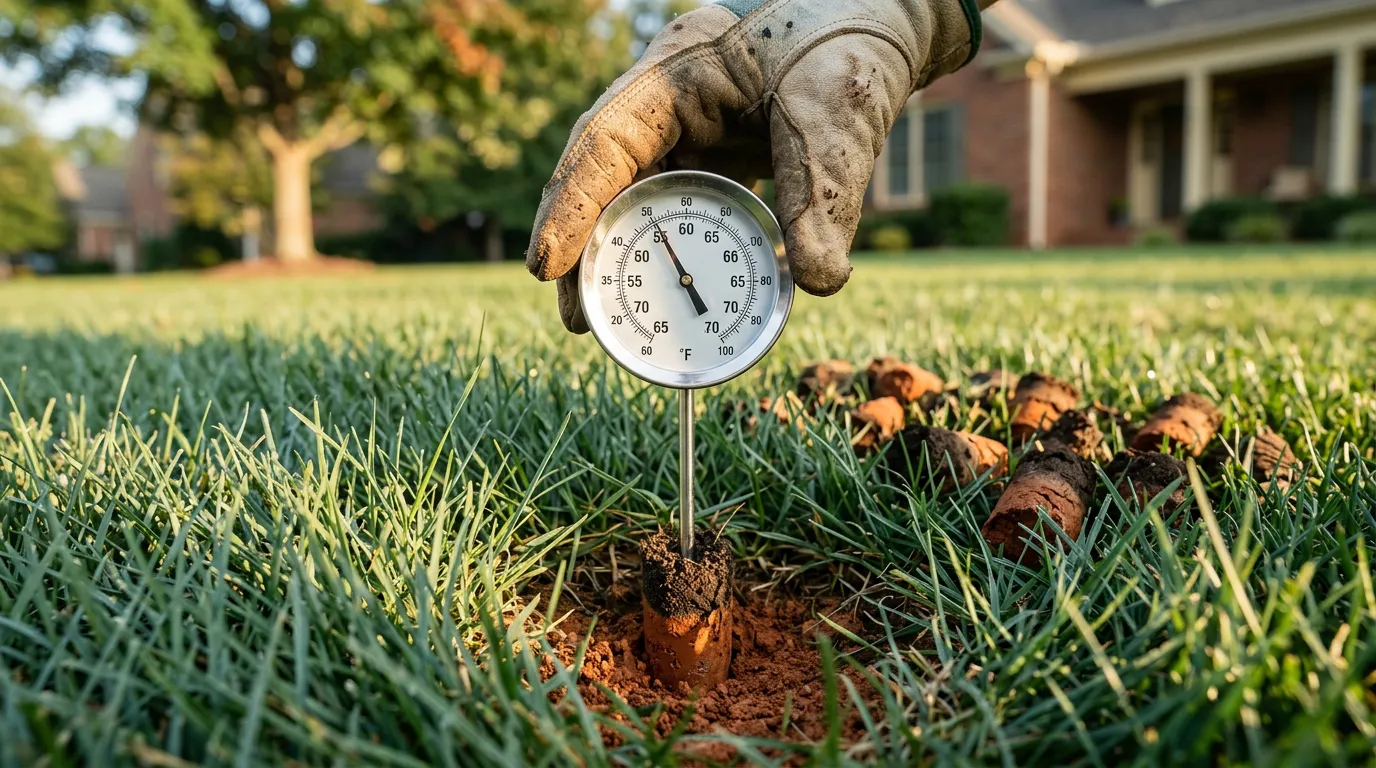
At Nature's Select®, we understand the vital role that healthy soil plays in cultivating a vibrant and resilient lawn. Our expert team is dedicated to restoring and maintaining the health of your soil through our comprehensive lawn care services. With our innovative lawn care techniques, we can tackle soil compaction head-on. Our core aeration service helps loosen compacted soil, allowing air, water, and nutrients to permeate deep into the roots. This promotes healthy root growth, improves nutrient absorption, and enhances lawn vitality.
Your Path to a Thriving Lawn
As you can see, soil compaction can be a true nemesis for your lawn, hindering its growth and vitality. But fear not – Nature's Select® in Greensboro, NC, is here to save the day! With our eco-friendly lawn care services, including soil aeration, goosegrass control, and weed prevention, we can help you reclaim the beauty and health of your lawn. Don't wait any longer – take the first step towards a thriving lawn by requesting a free quote at (888) 786-9735.