Boxwood Care: How to Plant, Feed and Protect Your Boxwoods
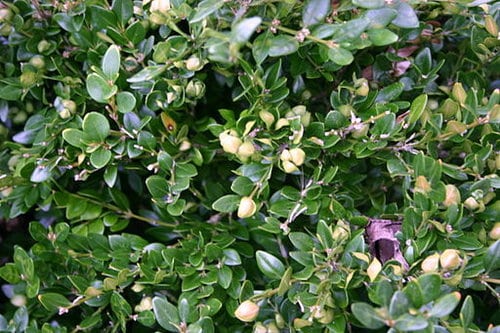
Healthy boxwoods start with the right spot: well-drained soil, morning sun with afternoon shade, and shelter from winter wind. Plant them in late fall or early spring with the top of the root ball slightly above the soil line, mulch them, and feed them only when a soil test shows a need. Most boxwood problems, from yellowing to pests and root rot, trace back to stress from a poor site.
When healthy, boxwoods' glossy, deep green leaves, tidy shape and fine texture make them favorite landscape shrubs. Too often, though, they end up yellowed, dull or ratty looking. Good planting and simple, steady maintenance prevent most of that.
Planting Boxwoods the Right Way
Boxwoods are far more prone to pests and disease when stressed by compacted soil, poor drainage, too much sun or wind, or overly acidic soil. Getting the planting right heads off most of that.
Choose the Right Location
NC State Extension notes that boxwoods prefer partial or dappled shade. They tolerate full sun, but sun-exposed plants can bronze, especially in winter. A northern or eastern exposure, or a spot where taller trees and shrubs give afternoon shade, works well. Shelter from harsh winter wind helps too.
Drainage matters even more: constantly wet roots are fatal to boxwoods. Never plant them near a downspout or where water stands after rain. On heavy Piedmont clay, prepare the whole bed instead of digging single holes: NC State Cooperative Extension recommends working 1 to 3 inches of compost into the top 12 inches of the bed and leaving the backfill of individual holes unamended.
Check pH before you plant. NC State lists an optimal range of 5.5 to 7.2 for boxwoods, and azaleas and other acid-loving shrubs want far more acidic soil, so keep them in separate beds. A soil test from the NC Department of Agriculture and Consumer Services shows your starting pH and how much lime, if any, you need.
When to Plant Boxwoods
The best time to plant boxwoods is late fall or early spring. NC State's Extension Gardener Handbook notes that container shrubs can go in any time of year but do best, and need the least watering, when planted then, because roots get a head start before summer heat or deep cold. Summer plantings need regular watering through the first season.
Plant at the Proper Depth
Planting too deep is a common way to lose boxwoods. Dig the hole only as deep as the root ball and two to three times as wide. Set the plant so the top eighth of the root ball sits above the surrounding soil. Deep planting usually costs the plant vigor and can kill it. Backfill with native soil, water it in, and add 2 to 3 inches of organic mulch, kept off the stems.
Give Them Room
Space by the mature width on the plant tag. For a hedge that knits into a solid wall, set plants a little closer than their mature spread. For specimens, give each one its full width. Good air movement helps leaves dry faster, which limits disease.
Fertilize Only What the Soil Needs
Boxwoods do not need fertilizer every year. Feed them when a soil test calls for it, using a slow-release, non-acidifying organic fertilizer. NC State's timing for shrubs is late fall after the first frost or early spring before new growth begins, when roots are active. Skip late-summer feeding, which pushes tender growth that may not harden off before cold weather. Wait until spring to feed boxwoods planted in fall, and six to eight weeks after planting for spring installs. More nitrogen is not better: excess nitrogen drives soft growth that attracts sap-feeding pests.
Year-Round Boxwood Care
- Mulch every year. Boxwood roots grow in the top 15 inches of soil, so moisture swings hit them hard. A 2- to 3-inch layer of organic mulch keeps moisture even and feeds soil life as it breaks down.
- Retest pH. Test every year until pH is in range, then every other year, and lime only as the test recommends.
- Water before a freeze. Make sure the soil isn't dry when freezing or windy weather is forecast. Moist soil holds more heat, and well-watered boxwoods resist winter burn.
- Thin, don't shear hard. In late winter or early spring, thin by cutting branch tips to let light and air into the center. Avoid severe cuts, since boxwoods recover slowly.
Common Boxwood Pests
Monitor closely so you can act early. According to NC State Extension, these are the pests that matter most:
| Pest | What you'll see | When to act |
|---|---|---|
| Boxwood leafminer | Puffy blisters on leaf undersides; leaves turn yellowish and stay small | Early spring, when adult flies emerge just after new growth appears |
| Boxwood psyllid | Cupped leaves at shoot tips, with waxy nymphs inside | When new growth appears; plants usually outgrow the damage by midsummer |
| Spider mites | Pale speckles or yellowish scratch-like marks; the plant may look gray or bronzed | Spring through summer. Mites overwinter as eggs, and horticultural oil smothers them |
Leafminer is the most commonly reported boxwood pest, worse in the Piedmont and mountains than on the coast, and English boxwoods are less susceptible than American ones. For psyllids, prune out the cupped tips. Our guide to common boxwood pests covers each one in more detail.
Below ground, plant-parasitic nematodes feed on roots, leaving boxwoods bronzed and stunted. They can't be cleared from an established bed, so good pH management and steady care are the main defense. See what you need to know about nematodes for signs and soil testing.
Common Boxwood Diseases
Many boxwood diseases can be reversed only if caught early:
- Phytophthora root rot. Branches turn dull, light green, then tan, and it can kill the whole shrub. It thrives in compacted or waterlogged soil, so drainage is the real prevention. Don't replant boxwood where one died of it. Learn more about boxwood root rot.
- Volutella blight. New growth comes late or not at all, then branches turn light green to tan, with salmon-colored spores on leaf undersides in humid weather. Prune out affected wood and thin the plant for better air circulation.
- Boxwood blight. Boxwood blight causes circular tan leaf spots with a dark border, black streaks on stems, and fast leaf drop that often starts low on the plant. That speed sets it apart from other boxwood diseases. There is no cure: remove and bag infected plants and fallen leaves, don't compost them, and don't replant boxwood in that spot.
- Boxwood dieback and decline. Dieback, a fungal disease, causes scattered yellow patches while roots still look healthy, so disinfect pruners between plants and don't blow debris around. Decline is a poorly understood mix of stress and disease that good site and care help prevent.
Frequently Asked Questions
When is the best time to plant boxwoods?
Late fall or early spring. Boxwoods can be planted at other times, but summer plantings need regular watering until fall.
How deep should boxwoods be planted?
Dig only as deep as the root ball and set the plant so the top eighth of the root ball sits above the soil. Planting too deep is a leading cause of boxwood decline.
Do boxwoods need fertilizer every year?
No. Fertilize only when a soil test shows a need, in late fall after the first frost or in early spring before new growth.
Why are my boxwoods turning yellow or bronze?
Common causes include winter sun and wind, poor drainage, low pH, leafminers, mites, nematodes and root rot. Check drainage and pH first.
Keep Your Boxwoods Thriving
Healthy boxwoods start with healthy soil. Nature's Select® Lawn Care works with nature, building soil life and plant vigor so boxwoods can stand up to stress and disease. Our tree and shrub care team looks after boxwoods, ornamental shrubs and trees, and we also offer lawn insect control and lawn disease control.
We serve homeowners in and around Winston-Salem, Greensboro, Chapel Hill and Pinehurst. If your boxwoods are yellowing, thinning or struggling, request your free estimate today.