5 Hard-to-Control Weeds
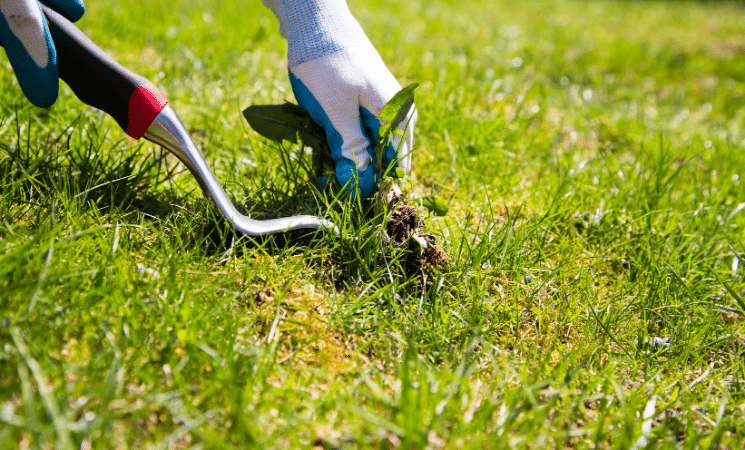
Weeds can be a pain to get rid of, especially if they're widespread. Additionally, not everyone has the time or patience it takes to pull weeds every weekend or during the week. That's probably why so many homeowners turn to Nature's Select Piedmont for help. We use techniques and products that work with nature, not against it, and we pride ourselves on getting rid of even the toughest weeds. Here are several of the most hard-to-control weeds in our area.
1. Dallisgrass
If you're a homeowner with tall fescue grass, then you already know the struggle of getting rid of dallisgrass. This type of weed is actually a native grass from Brazil and Argentina, but that doesn't mean it belongs in your lawn. It can spread quickly, and DIY efforts to remove it can often be in vain. Usually, the only real remedy for this type of weed is pulling it out altogether by its roots.
2. Ground Ivy
Commonly known as Creeping Charlie, ground ivy is another nightmare for homeowners. This ivy can quickly take over sections of your lawn, especially under shady trees or in areas with full sun yet rich, moist soil. This invasive weed grows quickly and low to the ground, spreading out like a canopy over turf grass. It also gives off a terrible odor when mowed, giving homeowners even more incentive to get rid of it.
3. Crabgrass
If not pre-treated early, crabgrass is a common weed that usually sprouts up in late summer. In lawns with more delicate grass blades, crabgrass stands out like a sore thumb with its bulky leaves and broad reach. This weed lays low to the ground and spreads quickly, often taking over flowerbeds and large grass sections. If not treated properly and thoroughly, crabgrass can return year after year.
4. Virginia Buttonweed
This perennial weed is yet another common headache for homeowners. It usually sprouts in early summer and can stick around until the first frost of the fall season. As an aggressive weed, it can usually be spotted quickly by its waxy leaves and yellowish tint. It also blooms white flowers, making it another unsightly weed when in full bloom, especially in the middle of your lush, green landscape.
5. Wild Violet
As another flowering weed, wild violet blooms with white or purple flowers and thrives in shadier spots in your lawn. However, when the summer heat takes hold, this weed becomes unnoticeable, leaving many homeowners to assume it's died off - until it blooms again in the fall. Unfortunately, wild violet is hard to control and get rid of, making it even more essential to call in the lawn care professionals.
Let's Control Those Weeds
When you need reliable, safe, and trusting lawn care experts to help eliminate weeds, call on the team at Nature's Select Piedmont. We take an all-natural approach to helping you achieve that picture-perfect lawn and landscaping, by offering lawn weed control, lawn disease control, and grub control. We also offer tree and shrub care for homeowners throughout the Greensboro and Kernersville, NC, areas. To get a free estimate, call us today at (336) 544-4554.