5 Fun Facts About Ladybugs
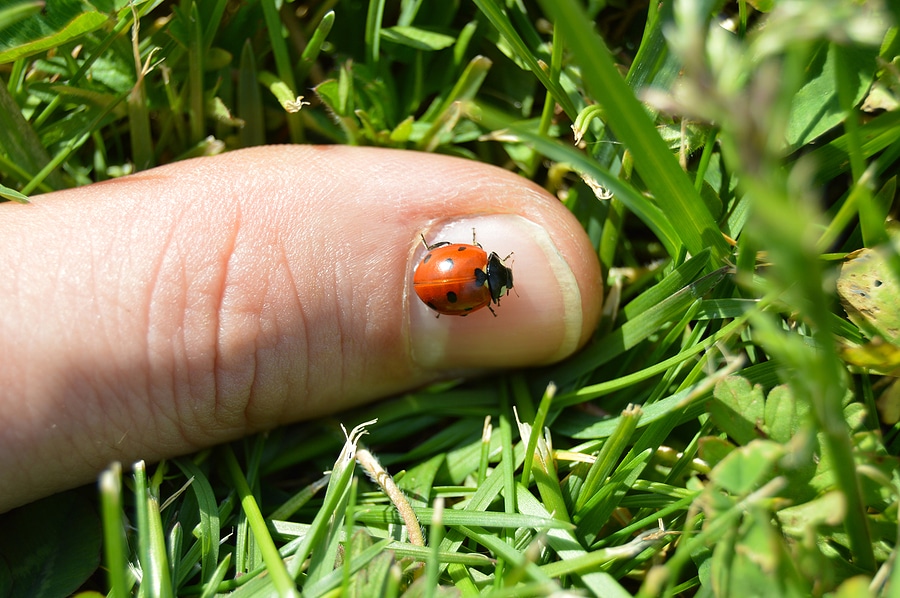
There are about 5,000 different species of ladybug around the world. But the most common here in North America is the ever-popular shiny red one with seven dots. Most people love ladybugs for their delicate looks and harmless demeanor. Farmers especially love ladybugs since they consume aphids and other tree- or shrub-destroying insects. Yet, there's still plenty you probably don't know about these little creatures, so Nature's Select Piedmont is here to drop some fun ladybug facts.
1. Ladybugs Are Beetles
These tiny little aphid-eaters are technically not bugs at all, but rather a part of the beetle family. Outside of North America, they are widely called lady beetles or ladybird beetles. Furthermore, bugs tend to have long, needle-like mouths with a mostly liquid diet, while beetles can chew and eat away at plants and grass. So, because ladybugs can chew, they are classified as a part of the beetle family.
2. Not All Ladybugs Look the Same
As we already mentioned, there are about 5,000 different types of ladybugs globally, so you can bet they don't all look the same. While the red and black combo is the most popular, ladybugs can also come in other colors. There are about 450 species of ladybugs on our continent, and they come in yellow, black, pink, orange, and brown. Additionally, some have stripes instead of dots.
3. Their Name Comes From Europe
During the Middle Ages, European farmers were having a hard time preventing aphids and other insects from eating crops. So, they prayed to the Virgin Mary to help protect their fields. Soon, ladybugs appeared in their fields, eating all the aphids and saving the farmers' crops. So, the farmers named them "beetle of Our Lady," which eventually shortened to the ladybug. Ladybug then appeared in the Oxford English Dictionary in 1674.
4. Markings Are a Warning
Ladybug markings vary from species to species, but they all serve the same purpose: A warning to potential predators. The bright colors and stripes or dots are meant to intimidate frogs, birds, and other small mammals that may consume them. When threatened, ladybugs secrete an oily, foul-smelling liquid that further deters a predator from snatching them up. They'll also play dead to avoid being eaten.
5. Ladybugs Eat Their Eggs
A female ladybug prefers to lay her eggs on the underside of leaves, near the same clusters of aphid eggs. They can lay as many as 1,000 eggs at one time, but not all of them may hatch. In fact, during periods where food is in short supply, a ladybug will venture back to the eggs and consume the eggs and larvae. A ladybug will even prepare for a food shortage by laying infertile eggs for her young to eat once they hatch.
Let's Work with Nature
Ladybugs are just one example of the many types of beetles or helpful insects you want in your lawn. However, they can't always protect your trees, shrubs, and grass, so that's where Nature's Select Piedmont steps in. We have lawn care programs designed for your plant beds, boxwoods, and trees. So, if you live in Piedmont or Greensboro, NC, give us a call today at (336) 544-4554.