3 Common Types of Plant Bed Weeds
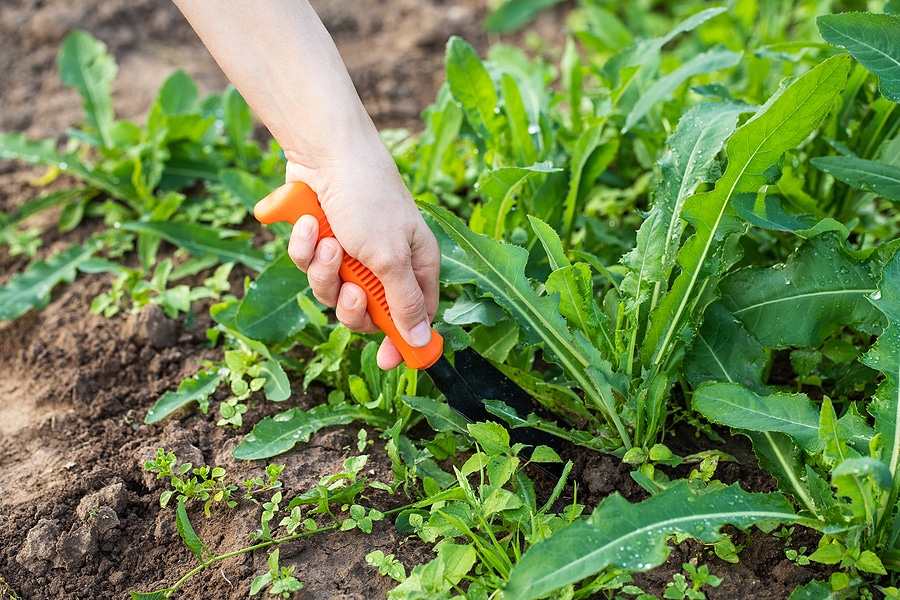
Your flower and plant beds are the main focal point of the front of your home. You may also have them wrapped around your backyard, creating the perfect oasis. Yet, these areas are often a hassle to manage because of all the weeds. If you're tired of pulling weeds, then it's time to call Nature's Select Sandhills for help. We can help manage your weeds and prevent any of these new ones from sprouting.
1. Dandelions
Dandelions may be fun for the kids to pick, but they're a gardener's worst nightmare. These broadleaf weeds are hardy, and DIY eradication attempts tend to fail. Furthermore, their roots can extend a foot or more into the ground, choking the roots of your newly planted flowers or bushes. The seeds also spread easily in the wind, making it crucial that you get professional treatment whenever one sprouts in your flowerbeds.
2. Wild Violet
This hard-to-control weed is aggressive and can choke your lawn. Wild violet is a hardy, diverse plant that can withstand both heavy rains and drought-like conditions. The purple flower pops up in the spring, but by summer, the self-pollinating flower retreats below ground to spread its seeds. Unfortunately, the underground method tends to create thick patches of wild violet, making it a difficult weed to control.
3. Plantain
The plantain weed is another common yet difficult weed to control and manage. It's rather aggressive, attacking even the most well-manicured flower beds. The thick taproot allows this weed to survive the winter and sprout early in the spring. And, by the summer, a long flowering stalk grows. This stalk disperses seeds into the wind, spreading plantain all across your lawn.
Create a Landscape You're Proud Of
Nature's Select Sandhills is dedicated to treating these and other troublesome weeds in your lawn and plant beds. We can also help control tree diseases, insects, and common lawn pests. So, if you live in the Sandhills or Pinehurst, NC, area, and you're ready to retire those weed-pulling gloves, give us a call a (910) 757-0359.