Lawn Pests: 3 Facts About Billbugs

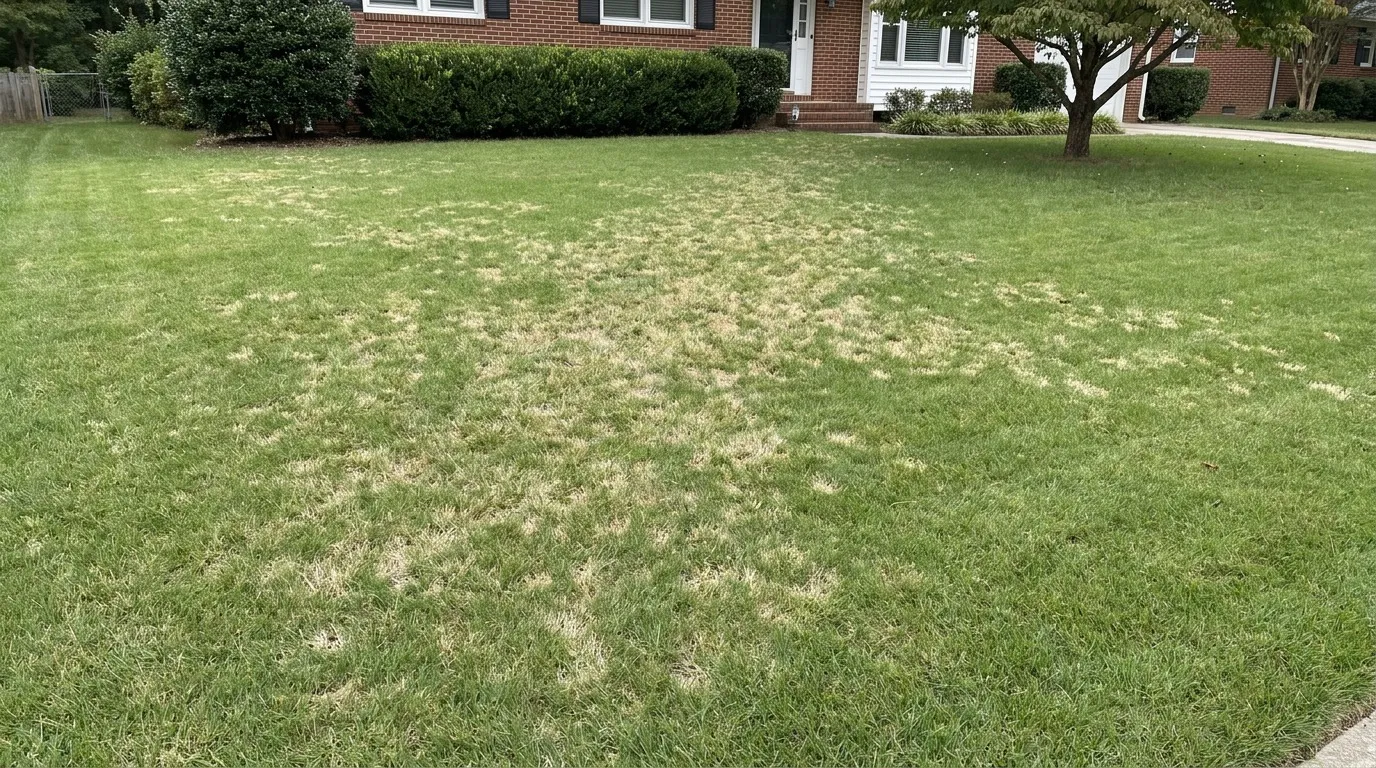
Billbugs and their grubs attack both warm and cool-season grasses. Their approach to destroying lawns is to eat the grass, blade by blade, leaving lawns with patchy, scattered brown spots. So when it appears there's a billbug infestation, Nature's Select Piedmont has just what you need. We'll teach you these three facts and treat your lawn for this pest.
1. There are 4 Species of Billbugs
The billbugs are a weevil in the genus Sphenophorus, and there are four different species that attack grasses throughout the state. These include the bluegrass billbug, the hunting billbug, the lesser billbug, and the unequal billbug. Because these billbugs are closely related, it's not uncommon to find some species overlap in one lawn or landscape.
2. Billbug Grubs Are Different
The grubs of billbugs can either hatch in the fall and burrow into mulch piles, leaf piles, or under the layer of thatch on your lawn. Once the weather begins to warm, these hungry grubs get to work, feasting on the turf's stems, roots, crowns, and rhizomes. These grubs are easily identifiable, as they lack legs like other pest grubs. So, if you see legless white larvae with brownish, reddish heads, then you can bet you've got billbugs.
3. Billbug Damage Is Often Misdiagnosed
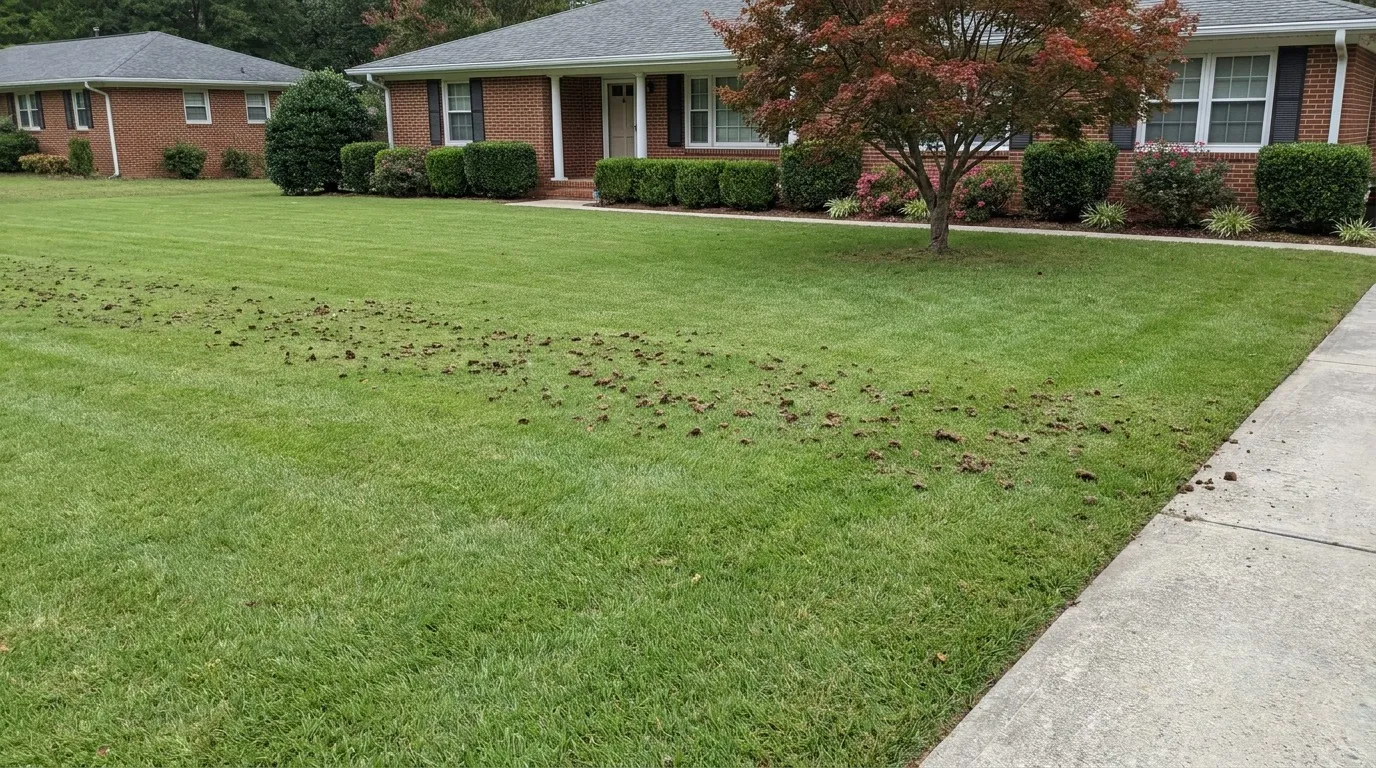
The damage of billbugs is often mistaken for compacted dirt, drought, summer dormancy, and even spring dead spots. These unwanted brown patches in lawns are also often attributed to other grubs and pests. Eventually, billbugs become a perennial problem for homeowners. Eventually, these lawns become hot spots for weed growth and other lawn diseases.
Protect Your Lawn from All Pests
Billbugs cause a lot of damage, and recognizing their doing is not easy. That's why you need the keen eye and knowledge of a team of professionals. So, if your lawn is suffering from a mysterious killer, then pick up the phone and call Nature's Select Piedmont at (336) 544-4554. We proudly treat lawns throughout Piedmont, Greensboro, and High Point, NC. We'll even treat your lawn for other diseases and make sure your trees and boxwoods are protected as well.