Needle Drop: Why Are My Spruce Trees Losing Their Needles?
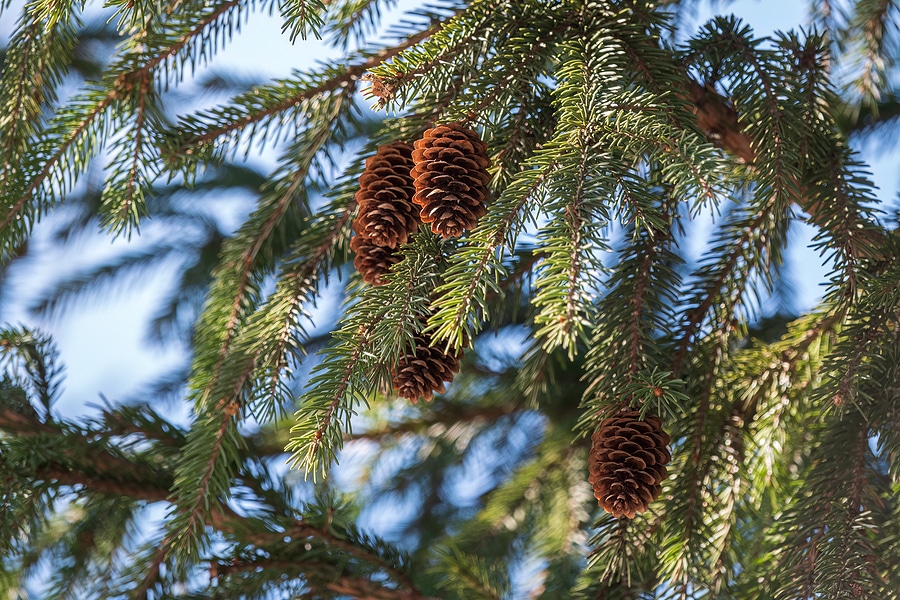
Have you been outside recently and noticed that your spruce trees are losing their needles? Don't worry, you're not the only one. Needle drop is a common problem this time of year. Below, Nature's Select Sandhills discusses why this happens and when you should be concerned.
Why Do Spruces Shed Their Needles?
Spruce trees typically start to lose their needles in the early fall and into winter. There are several reasons why this might happen, including the following:
- The tree is preparing for winter.
- The tree is stressed.
- The tree is infected with a disease.
If your spruce tree is losing its needles, don't panic. This is a very natural process and is actually healthy for the tree as it grows and prepares for the next season. It's also great for the root system as the needles eventually decay and feed the soil.
When Should Needle Drop Concern You?
There are a few things you should look out for when your spruce tree is losing its needles. If the needle loss is severe, if it's accompanied by other symptoms such as twig dieback or red needles, or if the tree is generally unhealthy, then you should contact a professional arborist. There might be an infection or disease causing the problem, and it will need to be treated. However, if needle loss is mild and the tree seems healthy overall, then there's no need to worry. The tree will probably replace any lost needles over the winter. Just be sure to give it plenty of water, especially if it's been drought-stressed.
What Can Be Done to Prevent Needle Drop?
There are a few things you can do to prevent your spruce tree from losing its needles. The most important thing to remember is to give the tree plenty of water, especially if it's been drought-stressed. You can also help by mulching around the base of the tree and by adding organic matter to the soil. If possible, avoid stressing the tree with too much fertilizer or pruning. Finally, be on the lookout for any signs of disease or infection and contact a professional, if necessary.
Want to Promote Health Spruces? Contact Us!
At Nature's Select Sandhills, we have an amazing team of experts who love and care for spruce trees throughout Pinehurst, NC. We even have a dedicated boxwood program that promotes healthy vegetation and helps reduce needle drop. So, if you're concerned about the health of your spruce trees or your lawn, contact us today at (910) 757-0359.