4 Signs Your Lawn is Struggling with Drainage
Having a healthy and lush lawn requires more than just watering and regular lawn care. One of the often-overlooked factors that can greatly affect the overall health of your lawn is proper drainage. Good drainage allows excess water to flow away from your lawn instead of pooling, which can lead to several issues, such as soil erosion, root rot, and even plant death. Nature's Select Piedmont can help restore your lawn, but only after you've identified these three signs your lawn is struggling with drainage.
1. Standing Water
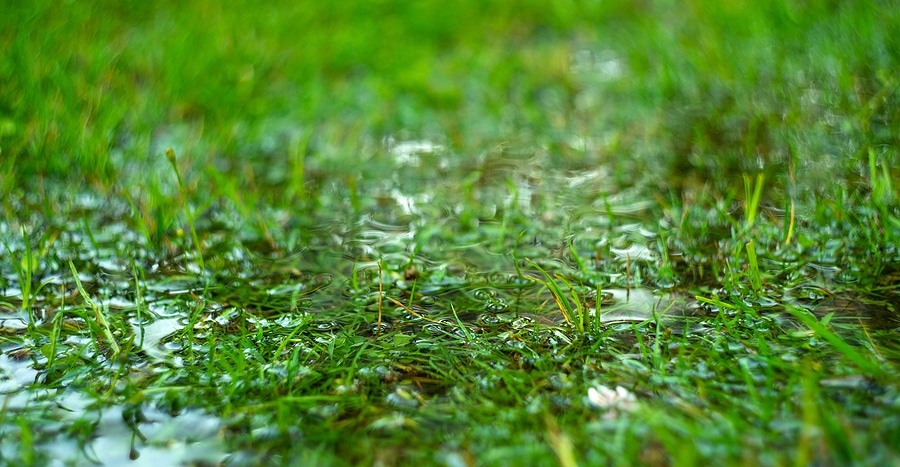
The most obvious sign that your lawn is struggling with drainage is standing water. If you can see pools of water forming during heavy rainfall or watering, take that as a sign you have poor drainage. Standing water not only affects the beauty of your landscape but also causes soil compaction, and, compacted soil leads to plant death or poor growth due to lack of oxygen.
2. Bare or Thin Patches
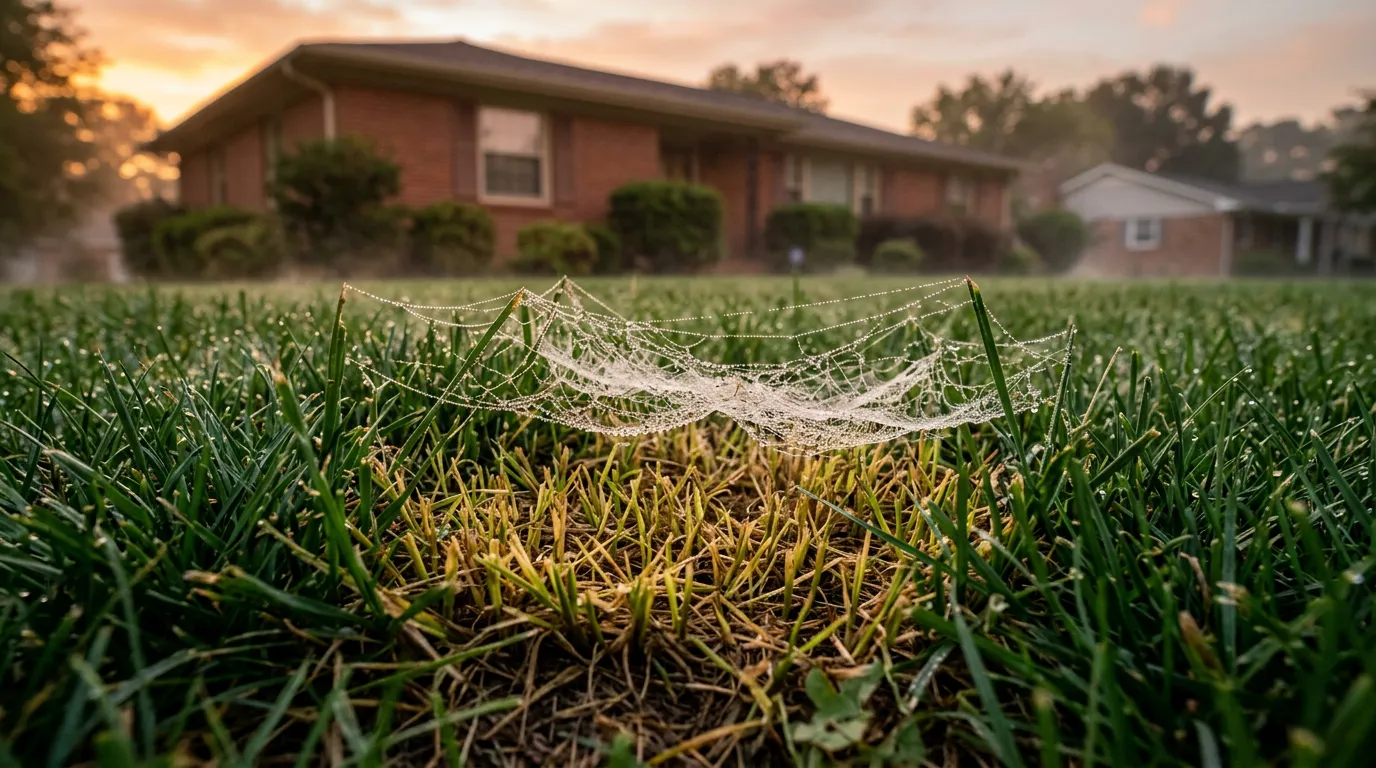
Another sign that your lawn may be struggling with drainage is the appearance of bare or thin patches. If water is pooling in specific areas of your lawn, it can lead to soil erosion and wash away seeds or plants. Over time, bare patches may develop in those areas, which can affect the overall appearance and health of your lawn.
3. Foul Odors
If you notice a foul smell coming from your lawn, take it as a sign that water is not draining properly. Poor drainage can contribute to the buildup of anaerobic bacteria in the soil, producing an unpleasant odor. Foul smells may also be caused by decaying plant material, which can accumulate in areas where water tends to pool.
4. Insect Infestation
Poor drainage can also create the perfect environment for insect infestation. Insects such as mosquitoes, gnats, and flies are attracted to standing water. So, if your lawn has poor drainage, it can become a breeding ground for these pests. In addition, some insects like chinch bugs and ants can cause significant damage to your lawn if they are left to multiply and feed on your turf.
Fix Your Drainage & Your Lawn
Getting your lawn drainage under control is the first step to getting a healthy, green lawn. When you need an extra boost in lawn care, give Nature's Select Piedmont a call at (336) 544-4554. We'll help repair any dead patches that pooling water may have caused in lawns around Greensboro, NC. We'll also help treat your lawn for pests and treat your shrubs for common diseases.