Protect Your Lawn from Ice Melt

Winter can be hard on all of us. It's cold and dark and just when you think you're almost through it, another ice storm hits and your walkways become death traps again. Many North Carolina homeowners find that using an ice melt product can significantly reduce the risk of falls on their property; however, the product comes at a cost. Our team at {{company_name}}® Premium Turf Specialists are here to help with some quick facts that might make you think twice about reaching for the ice melt this winter.
What Is Ice Melt?
Various types of salts are generally used in ice melt products, with sodium chloride (NaCl) being the most common and the least expensive. Unfortunately, sodium chloride has many negative impacts:
- It is bad for the environment, as it accumulates in soil and pollutes water sources.
- It can be dangerous for your pets if they ingest it, or if they walk in it and lick their paws.
- It can damage stone pavers, concrete, and decking materials, if not swept off promptly.
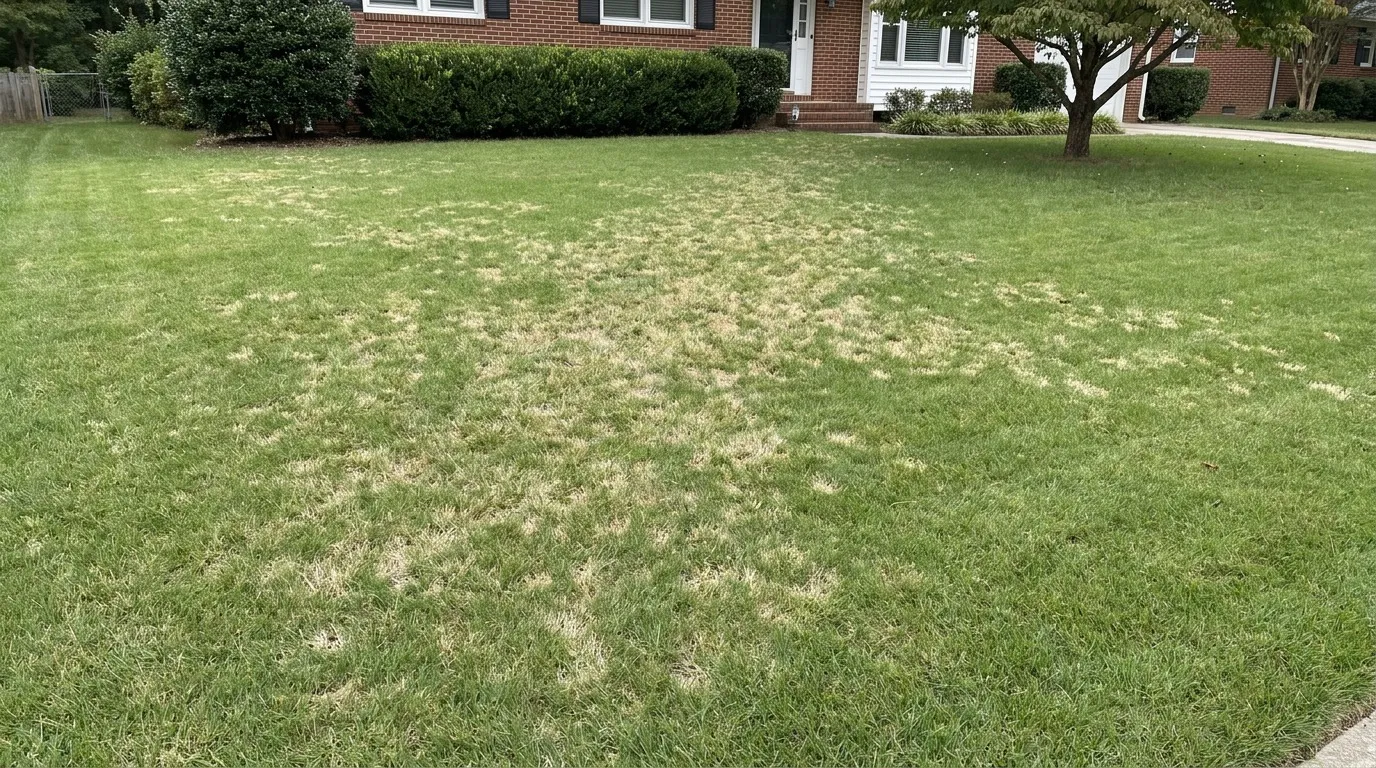
- It also damages vegetation and can cause kill-off of your lawn, plant beds, and trees if it is swept onto them.
Is There a Safer Option?
- Your first line of defense to prevent snow and ice buildup is regular snow and slush removal. Shoveling right down to the concrete in a timely manner means ice will be less likely to form.
- If conditions are very icy and you absolutely must use ice melt for safety, take some precautions. Follow the instructions on the bag, never using more than is necessary. As soon as the product has done its job, it should be swept up, bagged, and disposed of. Don’t sweep it onto the lawn and garden beds, nor into the street where it will get into soil and water.
- Beware of “eco-friendly” labels. There is no certification board for these types of products, so any manufacturer can claim their products are “green” even though they contain toxic products that can be harmful to your landscape, hardscape surfaces, and the environment.
No matter the season, {{company_name}}® is ready to help you with all your lawn care needs. We believe that healthy soil leads to a healthy lawn, which leads to a healthy family. Contact us today at {{local_phone}} with any questions.