Why You Should Treat a Sick Shrub Right Away
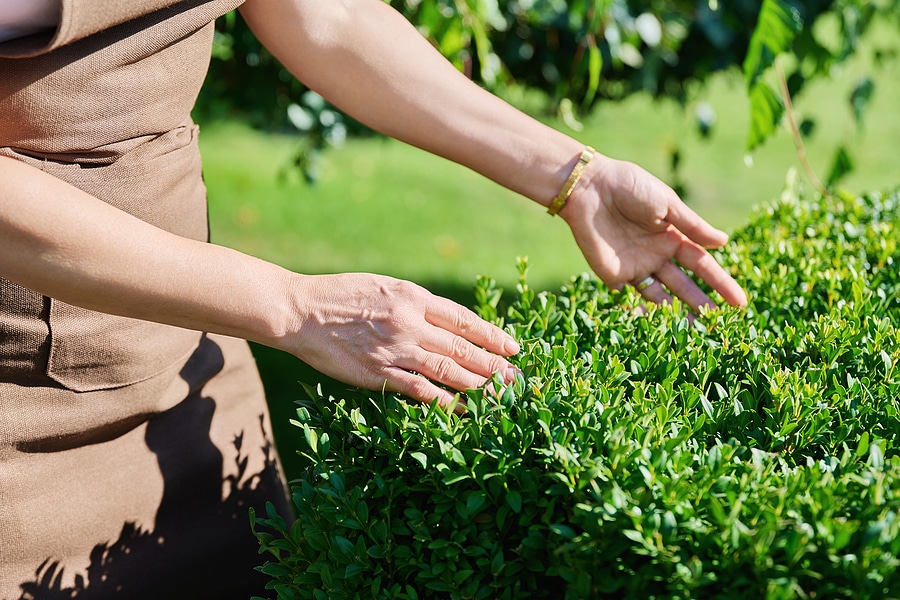
If your property has boxwood shrubs, then you know how important it is to maintain their health. The boxwood shrub is a staple in many landscapes because of its versatility, and it can be used as a hedge, a border, or an accent plant. However, like any plant, it can fall prey to diseases and pests, which can quickly spread throughout your entire landscape. Nature's Select Triangle is here to explain why you should treat a sick shrub right away.
Diseases Can Spread Quickly
If you notice that your boxwood shrub is looking sickly, it could be suffering from a fungal or bacterial disease. These diseases can spread quickly, especially if the shrub is located in a crowded area with other plants. Before you know it, your entire landscape could be affected. That's why it's important to treat a sick shrub as soon as you notice any signs of trouble, such as the yellowing of leaves or a change in foliage color.
Pests Can Do Harm
Boxwood shrubs can also be attacked by pests, such as mites, scale insects, and caterpillars. These pests can quickly cause damage, sucking the juice out of leaves and causing them to dry out or fall off. Similar to a fungal disease, these pests can quickly take over the rest of your landscape if allowed to fester. So, treating a sick shrub early can reduce the risk of infestation, and it can also prevent pests from spreading.
It Can Save You Money
If you ignore a sick shrub, you run the risk of having to replace it altogether. Not only will you need to spend money on a new plant, but you will also need to remove the sick shrub and any nearby plants that may have been infected. By treating a sick shrub right away, you save money in the long run, and you also avoid having to redo your entire landscape.
It Can Improve the Appearance of Your Landscape
A sick shrub can be an eyesore in an otherwise beautiful landscape. By treating the shrub, you can improve its appearance and prevent it from detracting from the overall look of your yard. A well-maintained and healthy landscape will guarantee your lawn doesn't stand out like a sore thumb.
We Help Prevent Landscape Issues
Prevention is always better than cure, and that's true for boxwood shrubs as well. To prevent diseases and pests, make sure you call Nature's Select Triangle. We specialize in boxwood, tree, and lawn care treatments designed to keep your landscape vibrant and healthy. Whether you live in Chapel Hill, Durham, or Pittsboro, NC, we'll be there. So, get your free estimate today by calling (919) 240-4239.