5 Common Lawn Care Misconceptions
As homeowners, we all want a beautiful and well-manicured lawn, so we put a lot of effort into maintaining our yards. Unfortunately, many of us fall for some common misconceptions that can do more harm than good, causing us to waste time and money, leaving us with a lawn that isn't as healthy as it could be. If you're still buying into these five common lawn care misconceptions, allow Nature's Select Triangle to debunk them.
1. Cutting the Grass Short Is Better
Many people believe cutting the grass short will save time and effort. However, the truth is that cutting the grass too short can damage your lawn. Grass blades are the plants' food factories, and they need enough blade surface to produce enough food to support healthy growth. Cutting the grass too short can stress the plants, reduce their ability to produce food, and make them more vulnerable to pests and diseases.
2. Watering Your Lawn Every Day Is Necessary
If you still believe you need to water your lawn every day, you're mistaken. The truth is that over-watering can be just as harmful as under-watering. Too much water can lead to shallow roots, disease, and other problems. It can also wash away crucial soil nutrients. During the warmer months, the best time to water your lawn is in the early morning when the air is cooler and there is less evaporation loss. During the cooler months, once or twice a week is plenty.
3. Fertilizing Can Be Done Anytime
Many people believe that fertilizing their lawns can be done anytime, but this isn't true. It's essential to avoid fertilizing in late fall because it can stimulate new growth that won't survive the winter. Likewise, fertilizing during the summer months can cause stress on the lawn. The best time to fertilize your lawn is in the spring and early fall when the lawn is actively growing and can better use the nutrients.
4. All Grass Needs the Same Amount of Sun
It might seem obvious, but we'll still say it: Not all grass types are the same. Different types of grass have different sun requirements, so it's important to choose a grass variety that matches your lawn's sun exposure. For example, if your lawn gets a lot of shade, you should choose a shade-tolerant grass variety. If it gets lots of sun, choose a grass that thrives with the exposure.
5. Raking Is Only Necessary in The Fall
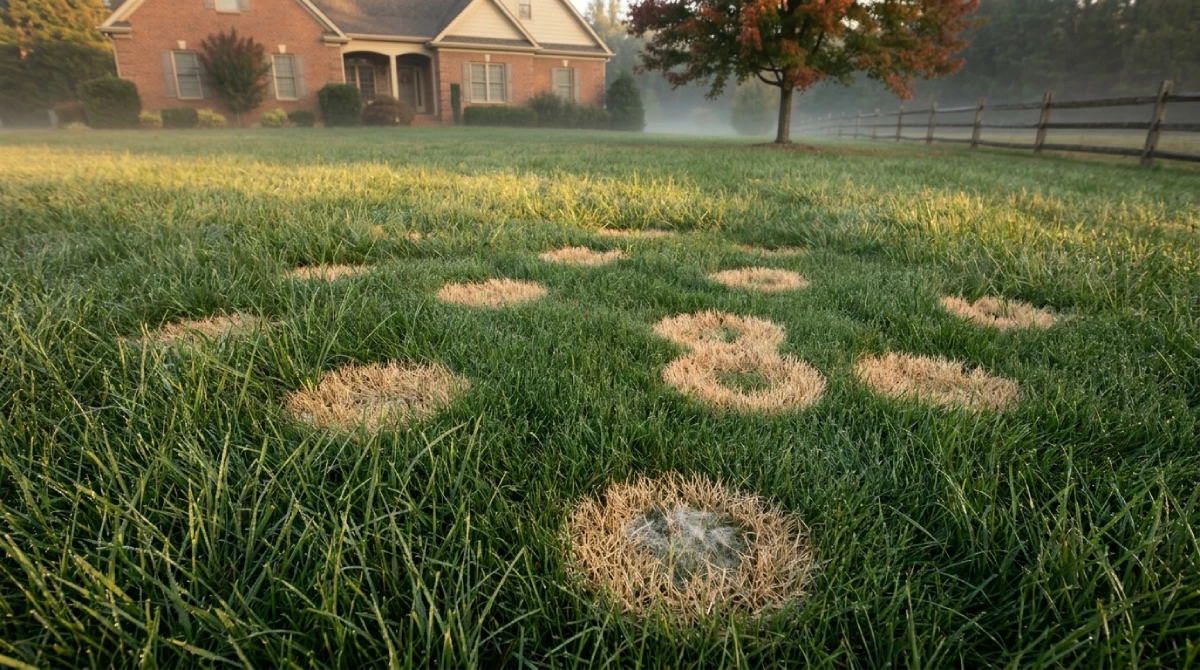
Many homeowners believe raking is only necessary in the fall, but that's not necessarily true. That's because raking is necessary during any season. For example, raking after mowing removes thatch, a layer of debris that can build up on your lawn and block water and nutrients from reaching the roots. Raking twigs and leaves in the spring and fall also helps promote a healthy lawn and reduce your risk of lawn fungi taking hold.
We'll Debunk All Your Misconceptions
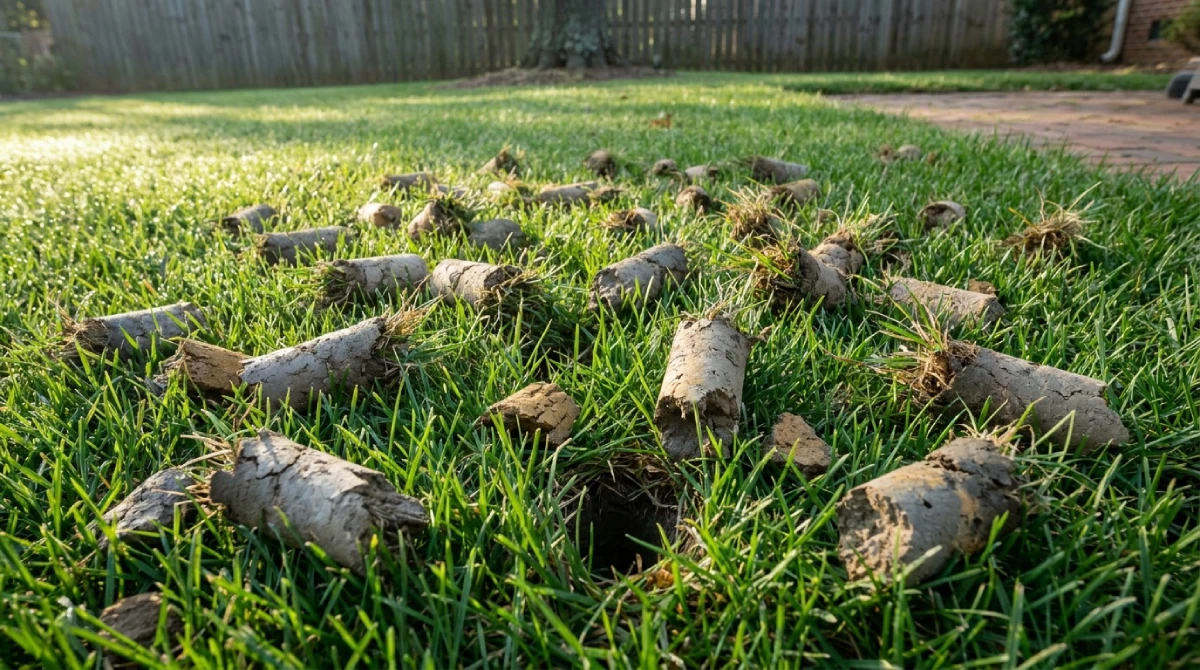
Maintaining a healthy lawn requires time and effort, but avoiding these common misconceptions can save you time, money, and effort in the long run. If you'd rather let the professionals handle your lawn care here in Chapel Hill, NC, call Nature's Select Triangle at (919) 240-4239. We'll make sure your landscape is pristine, no matter the season. We can even take care of aeration, seeding, and pest control. Get your free estimate today, and let's get to work!