Are Your Boxwoods Suffering from Root Rot?
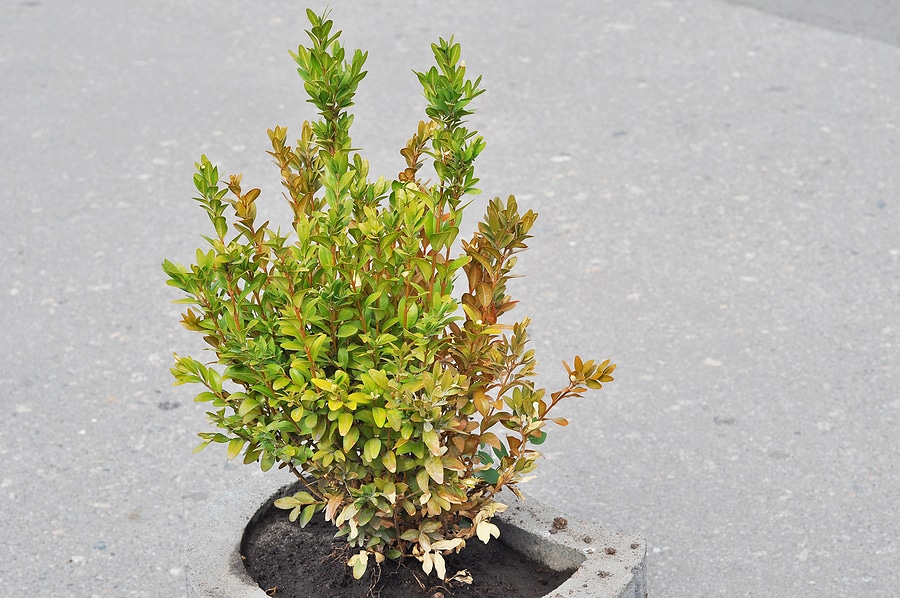
Boxwoods are a timeless choice for gardens, adding classical structure and a touch of green elegance. Yet, despite their hardy reputation, they can fall victim to the insidious threat of root rot. The typically robust leaves can turn into a mosaic of yellow or brown, leaving homeowners perplexed and frustrated. With early detection from Nature's Select Piedmont being key, understanding and preventing root rot is a must for every boxwood grower.
Understanding Root Rot in Boxwoods
Root rot is a common but often hidden peril for boxwoods. This fungal disease thrives in wet soil conditions, attacking the roots and preventing the plant from taking essential nutrients. The early stages may not be obvious, but as the disease progresses, the symptoms become unmistakable.
The primary culprit of root rot in boxwoods is the soil-borne fungus Phytophthora. It can lay dormant for extended periods until ideal conditions—typically overly soggy soil—awaken it. Once active, it infects the fine roots, causing them to rot. Symptoms to watch for include wilting, discoloration of leaves, and dieback of branches. You may also notice a distinctive odor, often likened to mushrooms.
Prevention and Maintenance Strategies
Boxwoods prefer moist, not wet, soil conditions. Overwatering, especially when compounded by poor drainage, can create the perfect environment for fungal growth. So, water your boxwoods only when the top inch of soil is dry, or consider using a drip irrigation system to deliver water directly to the root zone. Additionally, proper pruning encourages air circulation, which can prevent the stagnant, humid conditions that favor root rot. Remove any dead or infected parts of the plant, and don't allow mulch to build up against the trunk, as this can hold too much moisture against the base of the plant.
Treatment Options for Root Rot
When disease strikes, swift and thorough treatment is essential to prevent severe damage. Treating the soil is crucial as root rot starts from the ground up. At Nature's Select Piedmont, we understand that treating root rot requires a multi-pronged approach that's not detrimental to other garden life. That's why we've developed eco-safe treatments that incorporate beneficial nutrients, restoring balance to the soil and combatting root rot. Our methods work with nature, not against it, putting critical elements back in the soil to allow your boxwoods to thrive.
Your Boxwoods Can Thrive
Boxwood disease is a challenge that can be managed with vigilance and a thoughtful approach to plant care. By understanding the causes and symptoms, implementing prevention strategies, exploring your treatment options, and seeking help from Nature's Select Piedmont in Greensboro, NC, you can enjoy the timeless beauty of your boxwoods for years to come. We can also discourage pests from attacking your trees and lawn, further elevating your landscape. Request your free estimate today at (336) 544-4554.