5 Types of Soil Microorganisms
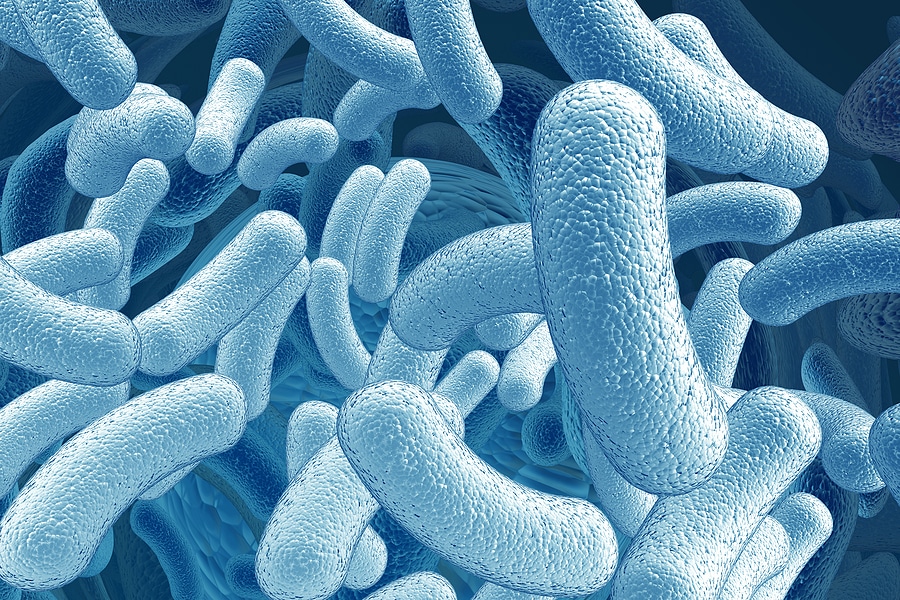
Have you ever stopped to think about the bustling community that exists right beneath your feet? Soil microorganisms play a crucial role in maintaining the health and fertility of our lawns, gardens, and ecosystems. With the lawn care from Nature's Select Triangle, you can support these five types of soil microorganisms commonly found in North Carolina soils.
1. Bacteria
Bacteria are among the most abundant soil microorganisms. They play a vital role in breaking down organic matter and releasing nutrients that plants can absorb. Some bacteria also form symbiotic relationships with plants, helping them fix nitrogen from the air. In North Carolina soils, you are likely to find species, such as Rhizobium and Azotobacter, which contribute to the health and productivity of your lawn.
2. Fungi
Fungi are another important group of soil microorganisms that help decompose organic matter and improve soil structure. Mycorrhizal fungi form mutually beneficial relationships with plant roots, aiding nutrient uptake and water absorption. North Carolina soils are home to a diverse array of fungi, including species like Penicillium and Trichoderma, which can enhance plant growth and protect against diseases.
3. Protozoa
Protozoa are single-celled organisms that feed on bacteria, fungi, and other microorganisms in the soil. By preying on these microbes, protozoa help regulate their populations and maintain a healthy balance in the soil ecosystem. Some species of protozoa also release nutrients through their waste products, making them available for plant uptake.
4. Nematodes
Nematodes are tiny roundworms that can benefit or harm plants depending on their feeding habits. Predatory nematodes feed on other soil organisms, like bacteria and fungi, helping control pest populations. Plant-parasitic nematodes, on the other hand, can damage plant roots and reduce crop yields if left unchecked.
5. Actinomycetes
Actinomycetes are filamentous bacteria that resemble fungi in appearance but belong to the bacterial kingdom. These microorganisms produce enzymes that break down tough organic matter, like cellulose and chitin, contributing to nutrient cycling in the soil. Actinomycetes play a crucial role in decomposing plant residues and improving soil fertility in North Carolina soils.
Get Biological Support for Your Soil
As homeowners in Chapel Hill, NC, understanding the diversity of soil microorganisms in your lawn can help you make informed decisions about fertilization practices and pest management strategies. By fostering a healthy and rich soil ecosystem, you can promote your lawn's overall health and vitality. Ready to find out what Nature's Select Triangle can do for you? Call us today at (919) 240-4239 for your free estimate on our lawn care, tree disease treatment, and boxwood programs.