3 Things You Need to Know about Nematodes
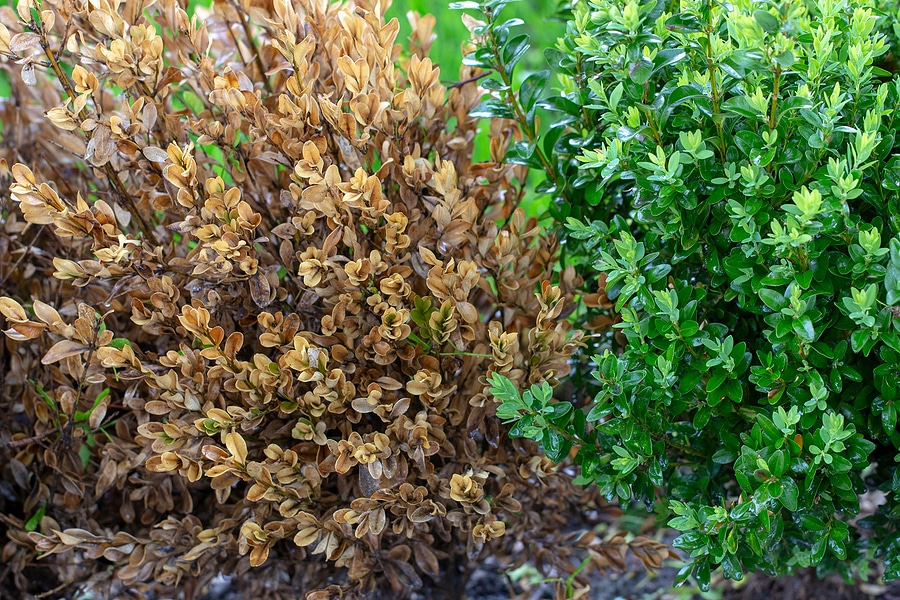
Gardening enthusiasts and homeowners with boxwoods, this one's for you! Nematodes might be tiny, but their impact on your garden can be significant. Understanding these microscopic worms is crucial to maintaining a healthy landscape. Here's a quick guide to help you grasp the essentials of nematodes and how Nature's Select Piedmont can assist you in managing them so they don't destroy your boxwoods.
1. What They Are
Nematodes are microscopic, worm-like organisms found in soil. While some are beneficial, others can wreak havoc on your garden. Specifically, plant-parasitic nematodes feed on plant roots, causing damage that can lead to stunted growth and even death of your beloved boxwoods. These pests penetrate roots, disrupting the plant's ability to absorb water and nutrients. This can result in yellowing leaves, wilting, and overall poor plant health. Given their size, they often go unnoticed until significant damage has occurred.
2. Signs of an Infestation
Detecting a nematode infestation early is crucial for the health of your garden. Some telltale signs include stunted plant growth, leaves turning yellow or exhibiting nutrient deficiencies, and roots developing knots or galls. You might also notice unusually poor plant performance despite proper care, including adequate watering and fertilization. In severe cases, plants may wilt and die, seemingly without reason. If your boxwoods exhibit any of these symptoms, it’s wise to investigate further, as early detection of nematodes can significantly reduce the damage they cause.
3. Why They Invade
Gardens become susceptible to nematodes for various reasons, but one of the primary factors is the condition of the soil, particularly its pH level. Nematodes thrive in certain pH conditions, with many species preferring slightly acidic to neutral soil (pH 5.5 to 7.0). When the soil pH falls within this range, it can become a more conducive environment for nematode proliferation. Additionally, soil's pH level affects the availability of nutrients to plants, potentially weakening them and making them more vulnerable to nematode attacks. Weak plants with compromised root systems are less able to fend off nematode invasions, leading to more severe infestations. Therefore, managing nematode populations in your garden can involve monitoring and adjusting the soil pH. This ensures it remains outside the optimal range for nematodes while still promoting plant health, offering an effective strategy.
Set Your Garden Up to Thrive
Proper care for your boxwoods and overall garden is paramount in creating and maintaining a vibrant, healthy landscape. Nature's Select in Greensboro, NC, is your premier partner in this endeavor. With a team of experts specializing in boxwood care, tree maintenance, and the management of lawn diseases, we're equipped to address the unique challenges your garden may face, including the stealthy threat of nematodes. Leveraging biologically based solutions that enrich your soil and enhance plant health, we ensure your garden survives and thrives. Contact us today at (336) 544-4554 for your free estimate.