3 Benefits of Lawn Iron Supplements

As homeowners, we want our lawns to be lush, green, and healthy. One often overlooked nutrient that can make a big difference in the appearance and health of your lawn is iron. Iron is essential for photosynthesis, root growth, and overall plant health. As part of our summer care, Nature's Select Piedmont adds iron supplements to lawns for all of our clients, and these are just three of the benefits.
1. Maintains Your Lawn Green
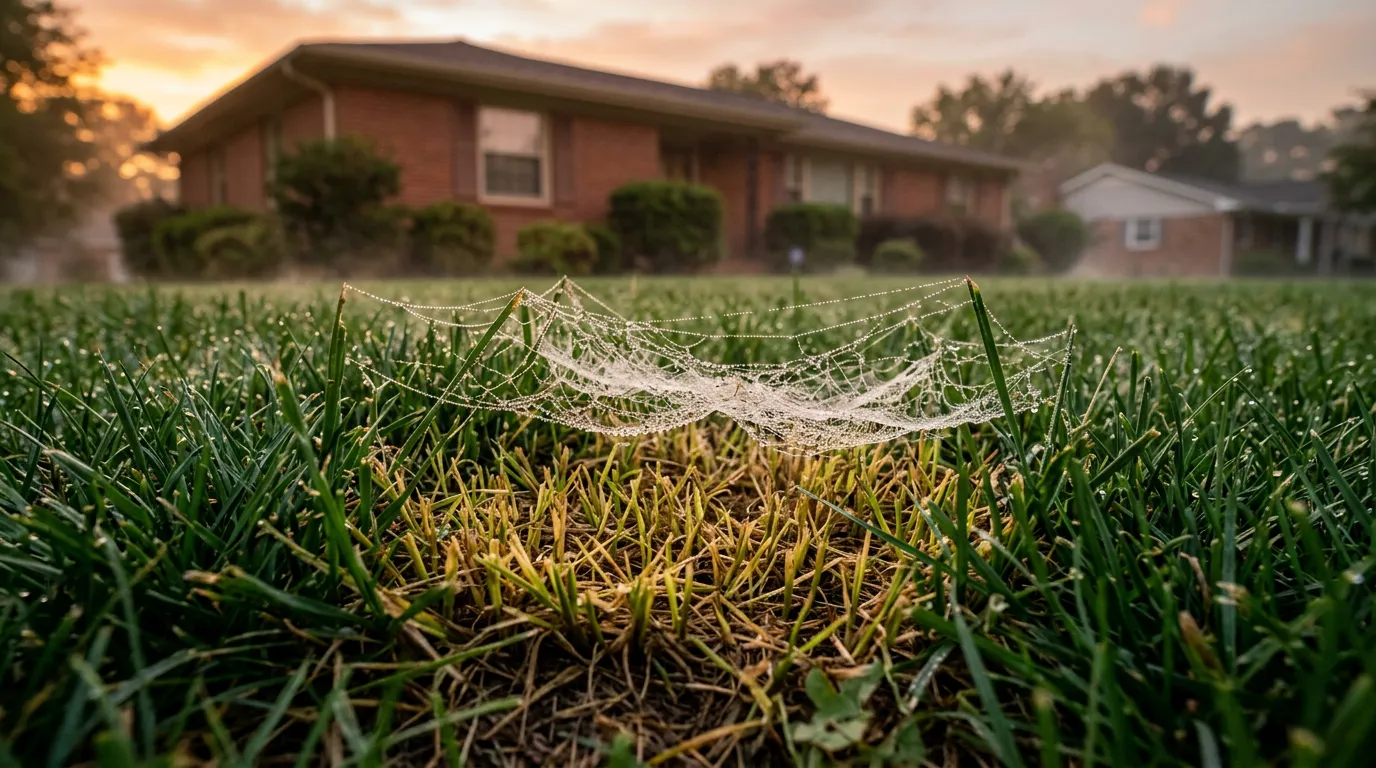
Iron is a micronutrient that plays a crucial role in producing chlorophyll, which gives plants their green color. Without enough iron, your grass may appear yellow or pale green, indicating a deficiency in this important nutrient. Adding an iron supplement to your lawn care routine can help ensure that your grass has all the nutrients it needs to thrive. This can result in a greener, healthier lawn that you can enjoy all season long.
2. Improves Your Lawn's Root Development
In addition to promoting vibrant green color, iron supplements can also help improve your lawn's overall health and vigor. Iron is necessary for proper root development and can help increase the drought tolerance of your grass. Providing your lawn with the right amount of iron can help strengthen its roots and improve its ability to withstand environmental stressors such as heat and drought. This can lead to a more resilient lawn that requires less maintenance and watering.
3. Keeps the soil pH Balanced
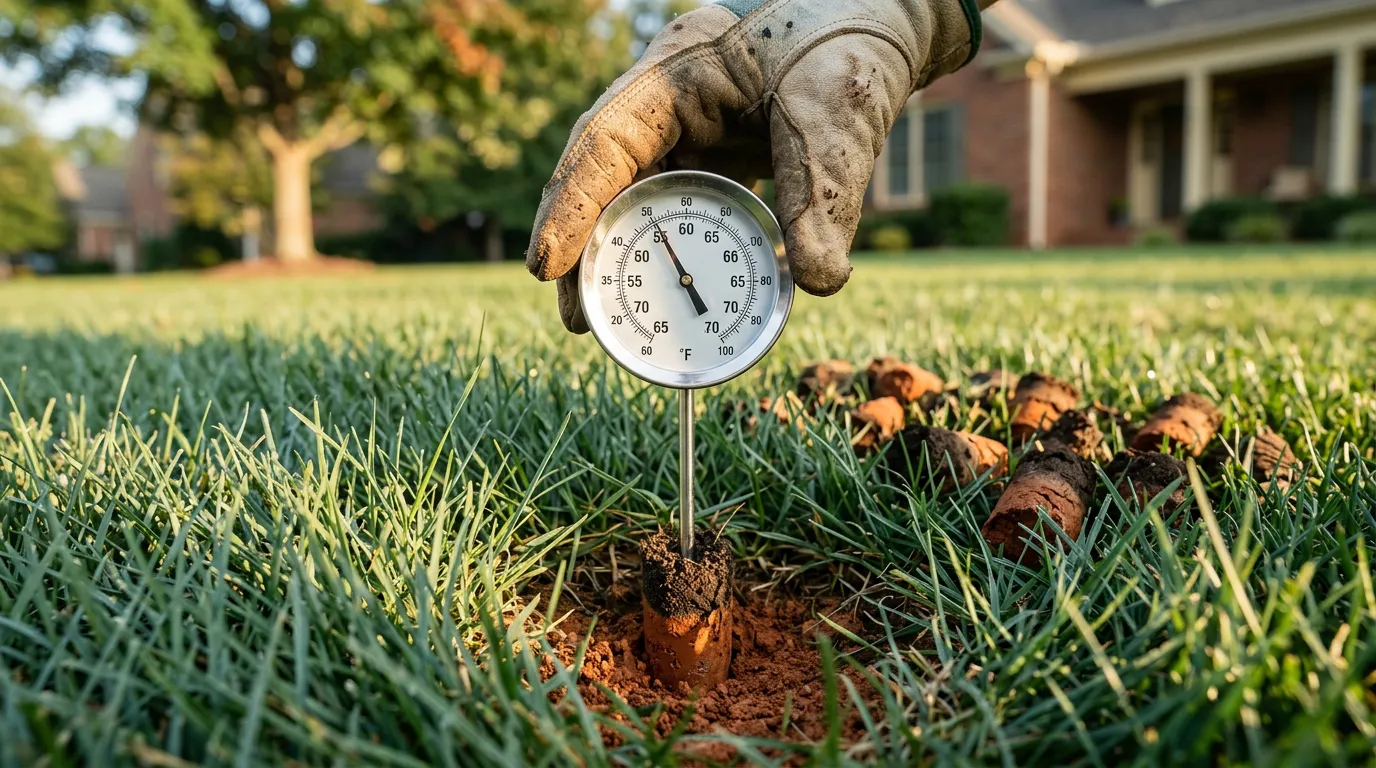
Another benefit of adding iron supplements to your lawn is improved soil health. Iron is key in regulating soil pH levels and helping plants absorb other nutrients more efficiently. By ensuring that your soil has an adequate supply of iron, you can create a more balanced growing environment for your grass. This can result in healthier soil with improved drainage and nutrient availability, leading to more robust plant growth and better overall lawn quality.
We Give Your Lawn What It Needs
Adding an iron supplement to your lawn care routine can have numerous benefits for the health and appearance of your grass. So, if your current lawn care company isn't cutting it (no pun intended), it's time to try something different. Contact Nature's Select here in Greensboro, NC, at (336) 544-4554 for a free estimate. Our team will gladly visit your landscape and formulate a plan that can restore your lush green grass. We can also help treat your lawn for pests and treat any diseased trees you have on your property.