The Lowdown on Mulch Mold
Mulch is a popular landscaping material used to enhance the aesthetic appeal of your lawn, garden, or landscape. Not only does it help improve soil moisture retention and inhibit weed growth, but it also helps insulate against temperature extremes. However, did you know that mulch mold can be a common issue homeowners face when using this landscaping material? It's true, and here's what Nature's Select Piedmont thinks you should know.
Understanding Mulch Mold
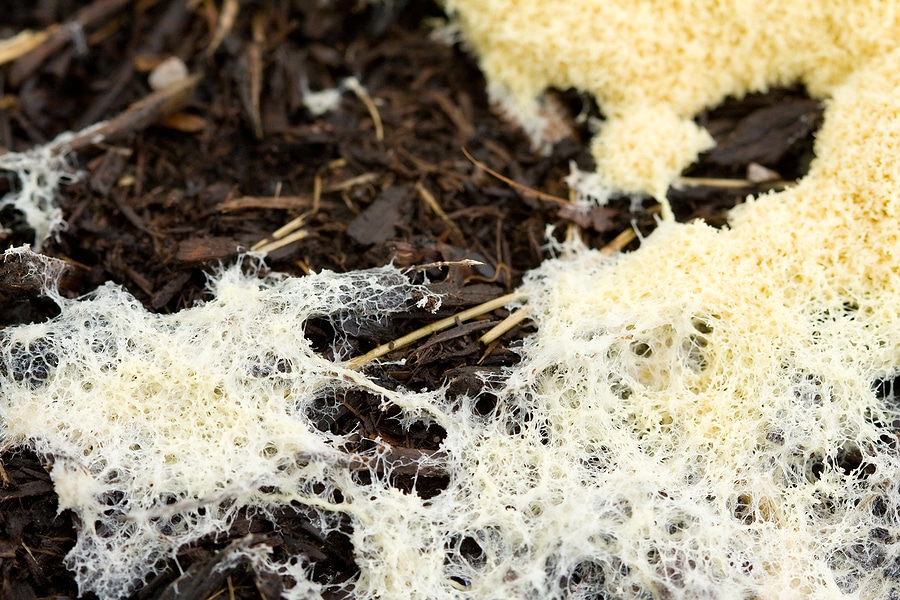
Mulch mold, or slime mold, is a fungus that thrives in warm, damp environments. It appears on the surface of mulch as a grey or white growth, often with a slimy texture. Mold is commonly found in shredded bark mulch, as it has the right conditions to grow. It is important to note that while the mold may be unsightly, it is not harmful to humans or animals. Mold can, however, affect plant growth by competing for the same nutrients and taking away from the health of your plants.
Identifying the Mold
Now that we know this mold, let's discuss how to identify it. As mentioned, mold typically appears as a slimy coating on your mulch. If not removed, it can spread further, forming large clumps on the surface. Another sign to look out for is a pungent smell, similar to rotting wood or compost. If you notice these signs, it’s time to take action.
How to Avoid Mulch Mold
Select a high-quality mulch that is not too damp to prevent mold in your landscaping. When mulching, keep it at least a few inches away from the base of your plants, allowing for proper air circulation and drainage. Keeping your landscaping clean is essential, as well as removing any dead leaves or debris that may get trapped in your mulch and creating a breeding ground for mold. Lastly, consider turning your mulch occasionally to prevent any moisture buildup.
Clean Up Properly
If you already have mulch mold, don't panic. There are ways to remove it and prevent it from coming back. You can rake away the affected areas and dispose of them in the trash. Also, remove any surrounding mulch that may be contaminated or affected by the mold. Following this, replace the area with fresh mulch, ensuring you spread it out at the correct depth to reduce moisture retention. Lastly, be patient and consistent with maintenance steps to avoid mold from forming again.
Let's Maintain Your Stunning Landscape
Could you use some help maintaining your landscape in Greensboro, NC? Contact Nature's Select Piedmont today at (336) 544-4554. We'll help keep your landscape looking sharp, weeds under control, and lawn pests a thing of the past. We do so by working with nature, not against it, using biological programs and applications to give you healthy, green lawns and shrubs. So, don't let the dangers of mulch mold scare you! Get a free estimate today, and we'll restore balance in your landscape.