3 Ways Living in the City Impacts Your Lawn

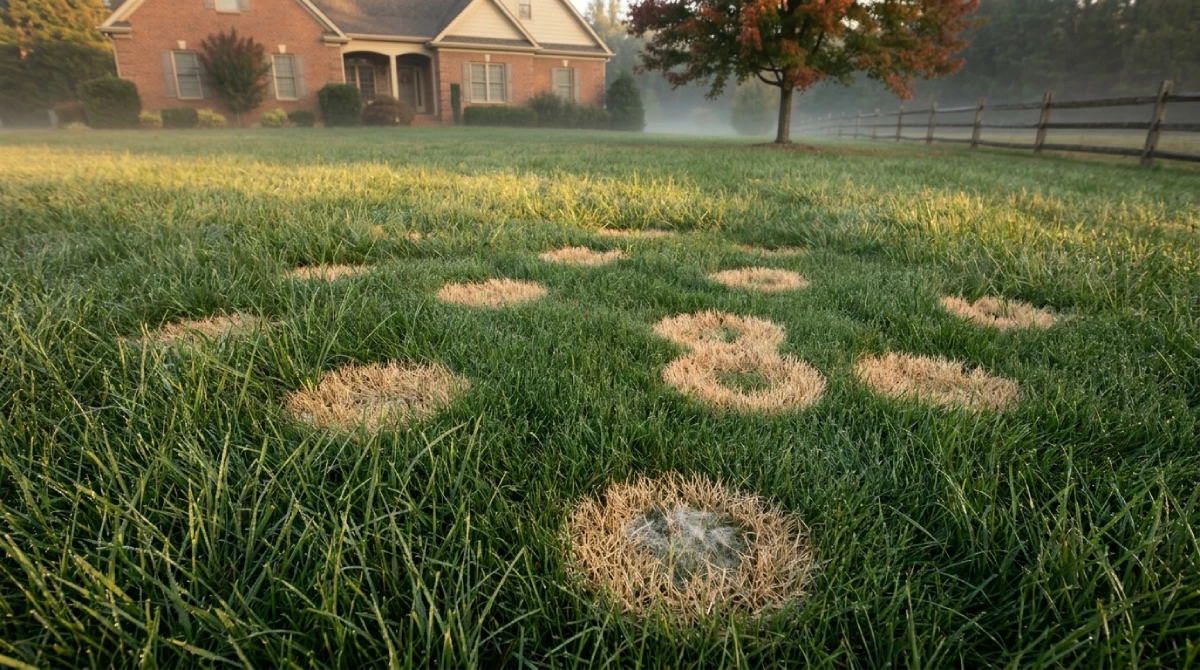
As a homeowner living in the bustling town of Chapel Hill, NC, you may have noticed that keeping your lawn lush and green can be challenging. The urban environment presents unique challenges that can impact the health and appearance of your lawn. As lawn experts, Nature's Select Triangle understands how living in the city impacts your lawn. So, let's look at three ways we can work together to help your urban landscape thrive.
1. Air & Water Pollutants
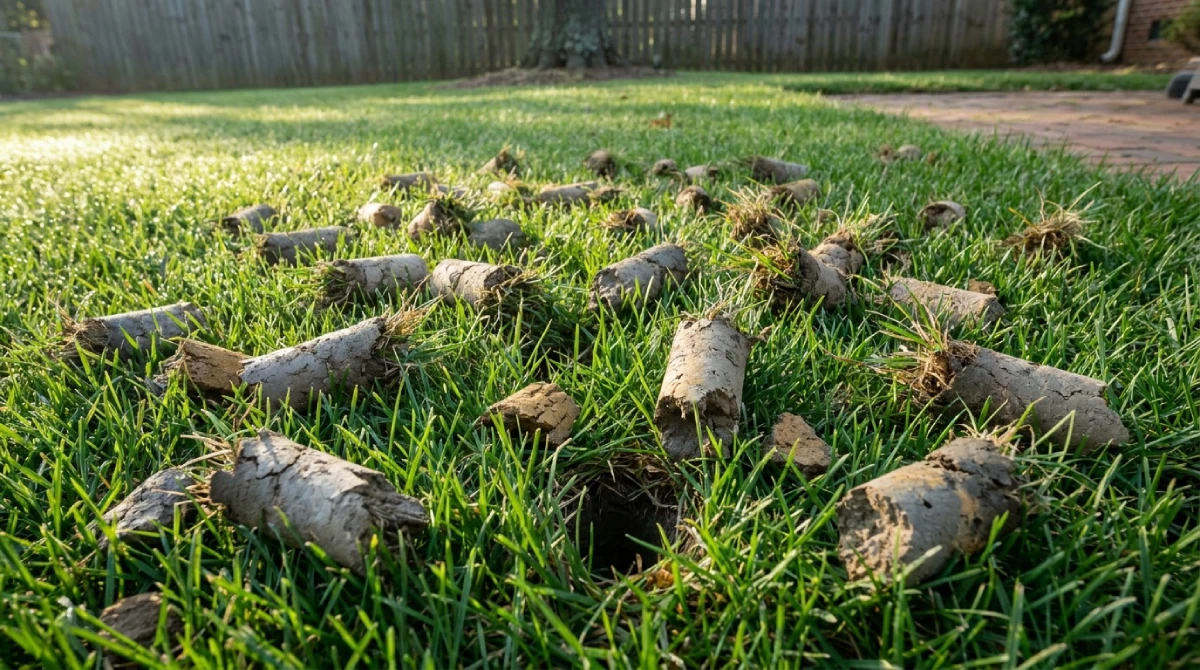
One of the most significant factors that can impact the health of your lawn in an urban environment is pollution. Cities are often filled with pollutants from vehicles, factories, and other sources, which can settle on your lawn and hinder its growth. Additionally, pollutants can leach into the soil and affect the nutrient balance needed for healthy grass. To combat this issue, consider regularly aerating your lawn to improve soil quality and reduce compaction. You may also want to invest in our biologically-based solutions that provide essential nutrients that may be lacking due to pollution.
2. Limited Space
Another challenge of living in the city is limited space for proper lawn care practices. Many of our urban customers have small yards or even just patches of grass between sidewalks and streets. This lack of space can make it difficult to mow, water, and fertilize a lawn effectively. Consider using a push mower or electric trimmer for smaller spaces to overcome this challenge. You can also install a drip irrigation system to ensure your grass receives enough water without wasting resources.
3. More Foot Traffic
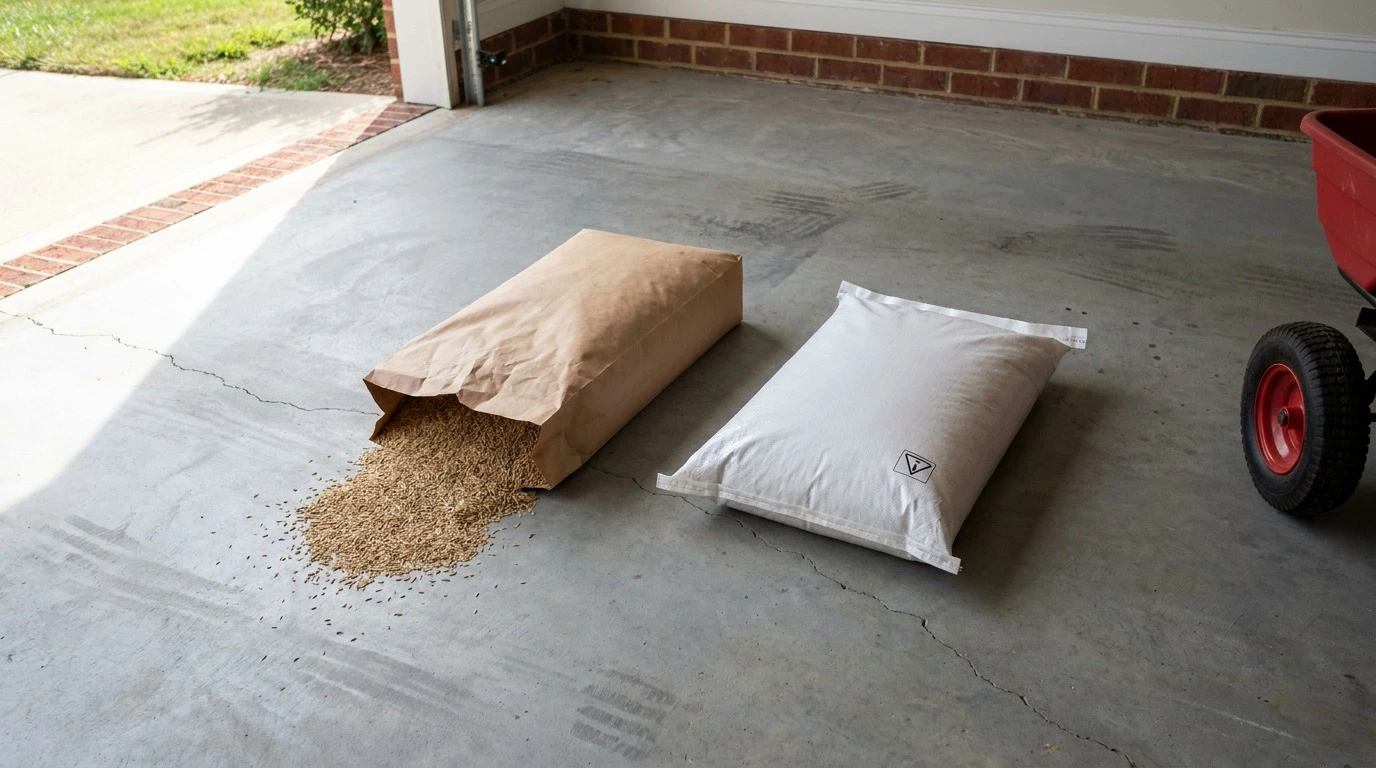
In addition to pollution and limited space, Chapel Hill neighborhoods often face higher foot traffic on lawns. Whether from pedestrians walking on sidewalks or children playing outside, constant foot traffic can compact soil and damage grass roots. To protect your lawn from this wear and tear, consider installing pathways or designated play areas to redirect traffic away from sensitive areas. Then, we can come in and overseed bare spots with durable grass varieties that are more resistant to heavy use.
No Matter Where You Live, Your Lawn Should Thrive
Living in a bustling and thriving town presents unique challenges for maintaining a healthy lawn, but with some proactive measures and proper care practices, you can still achieve a vibrant outdoor space. If you struggle to keep your lawn vibrant and healthy, contact Nature's Select today at (919) 240-4239. We proudly work with homeowners just like you throughout Chapel Hill, helping them with lawn diseases, pests, and shrub care. Get your free estimate today!