3 Helpful Fungi in Your Lawn: Natural Boosts for Healthier Grass
Maintaining a healthy, thriving lawn can feel like a constant battle. Between unpredictable weather, pests, and endless growth cycles, achieving balance in your lawn's ecosystem might seem elusive. However, not all the tiny organisms hiding in your grass are out to destroy it. In fact, some fungi actively contribute to lawn health and vitality. At Nature's Select®, we believe in working with nature, not against it, and here are three types of helpful fungi that can enhance your lawn's ecosystem.
1. Mycorrhizal Fungi
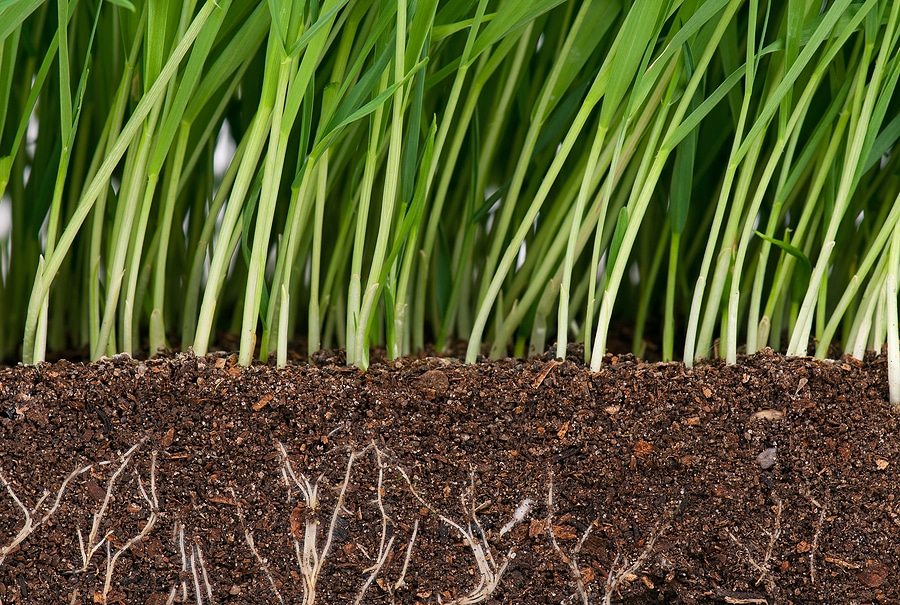
One of the most beneficial fungi for your lawn is mycorrhizal fungi. These incredible organisms form symbiotic relationships with plant roots, extending their reach into the soil and increasing nutrient absorption, particularly phosphorus. This relationship results in stronger, healthier grass capable of withstanding environmental stressors. Mycorrhizae also improve soil structure and water retention, which means less watering. Integrating these fungi into your lawn can boost grass resilience against harsh summer heat.
2. Rhizobium Fungi
Rhizobium fungi, primarily known for their symbiotic relationships with legumes, play a crucial role in nitrogen fixation. When these fungi partner with your grass, they convert atmospheric nitrogen into a form that plants can use. This natural fertilization process minimizes the need for synthetic fertilizers, promoting sustainable lawn care. For homeowners aiming to maintain a vibrant lawn without relying heavily on chemical treatments, fostering rhizobium fungi is a fantastic eco-friendly solution.
3. Trichoderma Fungi
Often recognized as nature’s little defenders, Trichoderma fungi offer an impressive array of protective benefits for lawns. These fungi parasitize and outcompete pathogenic organisms, reducing the risk and spread of lawn disease. Known for their robustness against issues like root rot, Trichoderma fungi can enhance the overall health of your lawn by creating a hostile environment for harmful fungi. This natural defense mechanism is a game-changer for those dealing with common lawn diseases in the area.
Embracing Nature's Allies
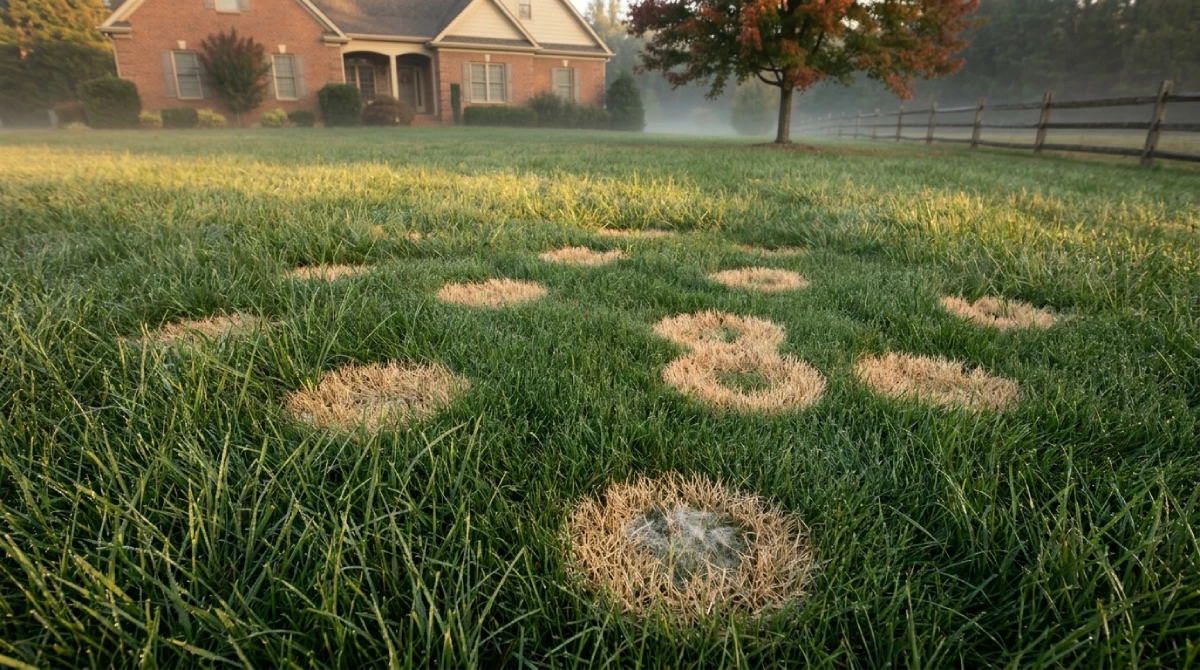
The presence of beneficial fungi like mycorrhizal, rhizobium, and Trichoderma in your lawn signifies a healthy ecosystem working harmoniously. While these fungi bring many benefits, they alone may not prevent common problems like brown patch, slime mold, and spring dead spot. At Nature's Select®, we specialize in comprehensive lawn care that balances nature with effective disease control solutions. Ready to take your lawn's health to the next level? Call us at (888) 786-9735 for a free estimate, and let us help you harness the power of helpful fungi to create a robust, thriving lawn you can enjoy year-round.