5 Sustainable Lawn Care Myths
If you’ve ever stood in the lawn care aisle wondering, “Is any of this actually good for my yard or the planet?” you’re not alone. Sustainable lawn care has become a hot topic, but it’s also surrounded by a lot of confusion. At Nature’s Select®, we hear the same myths over and over, and it’s time we clear them up.
1. A Truly Green Lawn Has to Be Chemical-Free
“Chemical-free” sounds great, but it isn’t real—water, air, soil, and grass are all made of chemicals at the molecular level. What most people actually want is a lawn care plan that avoids harsh or harmful chemical components. Truly sustainable or eco-friendly lawn care is about using safer, targeted products responsibly and building healthy soil so your grass is stronger and needs fewer treatments over time.
2. Organic Always Means Better
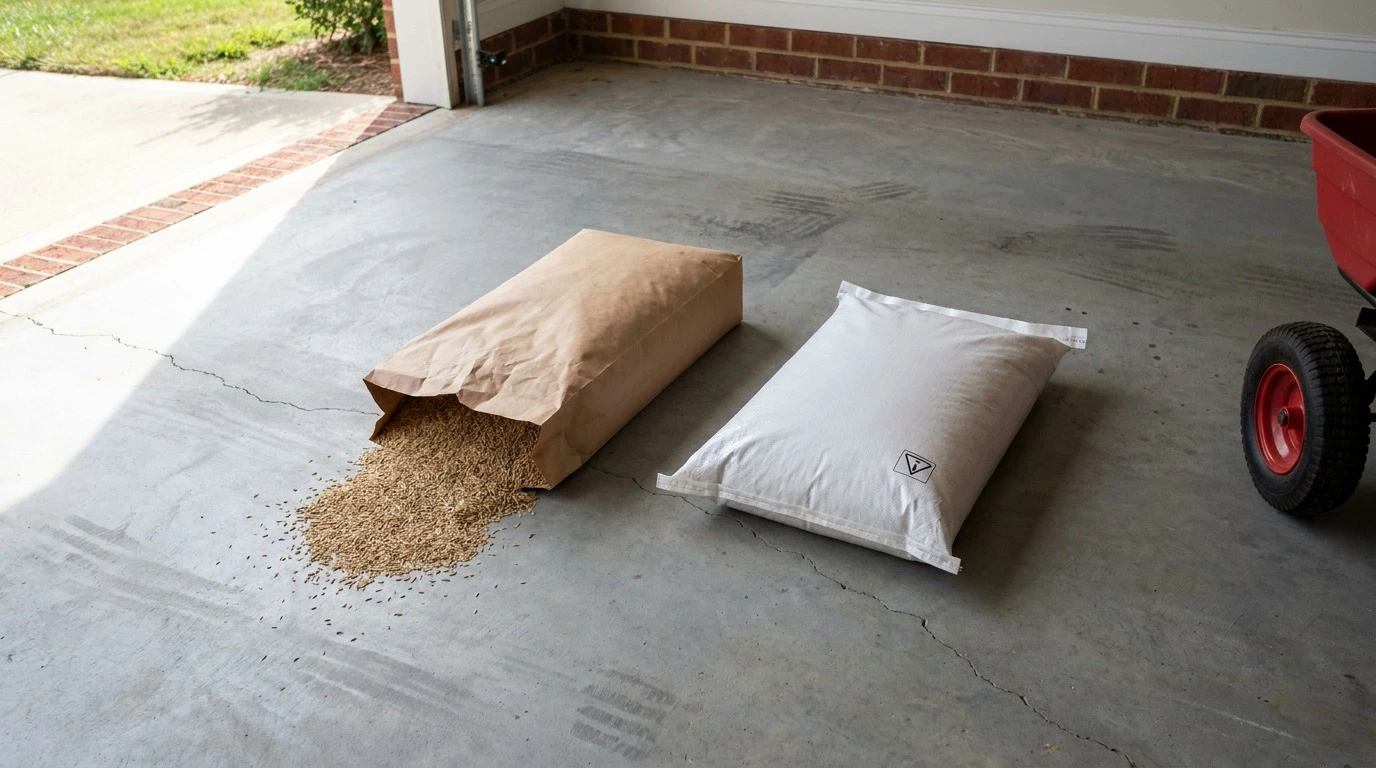
“Organic” on a label doesn’t automatically mean it’s the best choice for your specific soil or turf type. Some organic products are fine; others may not address the actual issue in your yard. A soil-focused program that’s tailored to your lawn’s needs will always beat a one-size-fits-all “organic” fix.
3. Less Water Equals More Sustainability—No Matter What
Yes, conserving water matters. But cutting watering too far can stress grass, thin out your turf, and make room for weeds and disease. Sustainable watering means deep, infrequent watering that encourages deep roots, not just turning the sprinklers off and hoping for rain.
4. Mowing Short Is More Efficient
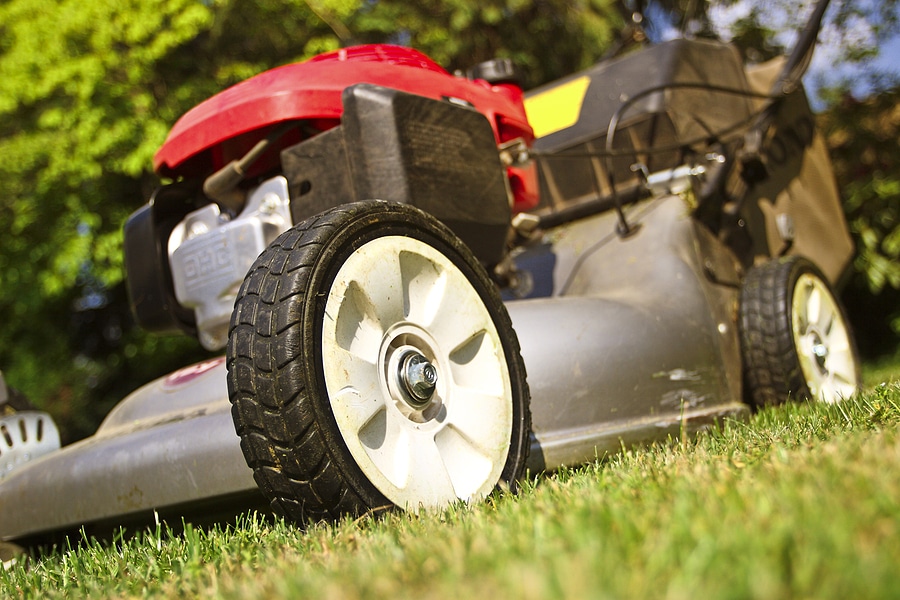
Scalping the lawn to “mow less often” is tough on the grass and the soil. Short grass leaves roots exposed to heat and stress, which weakens your turf. Slightly taller grass shades the soil, conserves moisture, and naturally suppresses weeds—a win for both sustainability and appearance.
5. You Can Fix Everything with One Spring Treatment
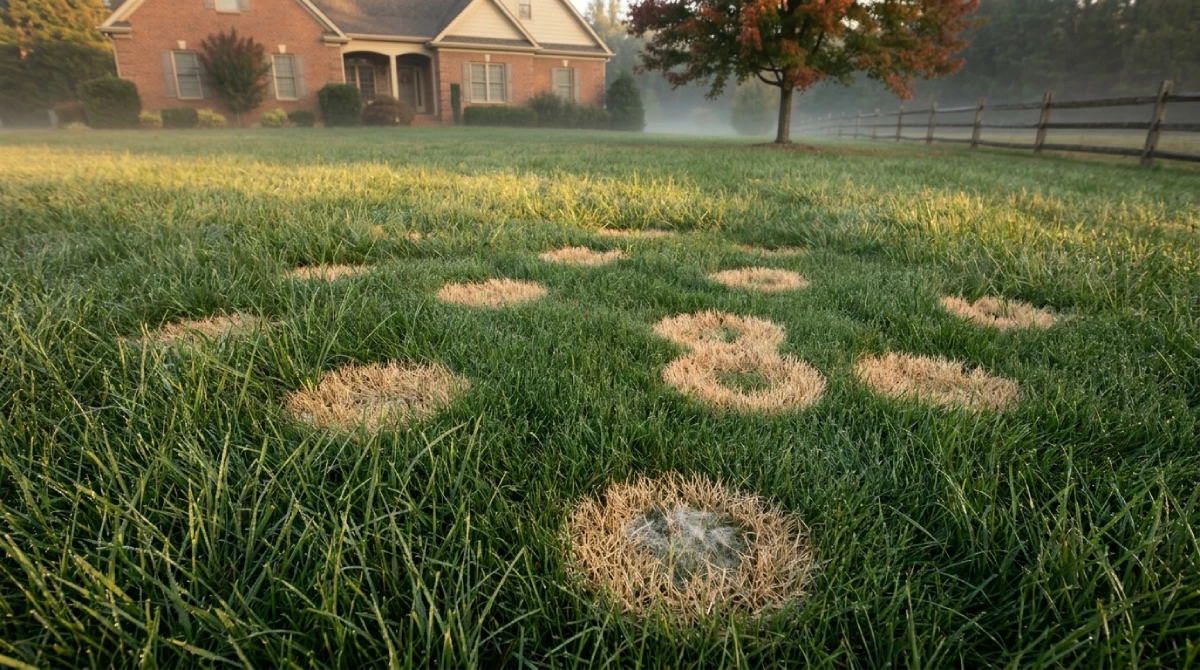
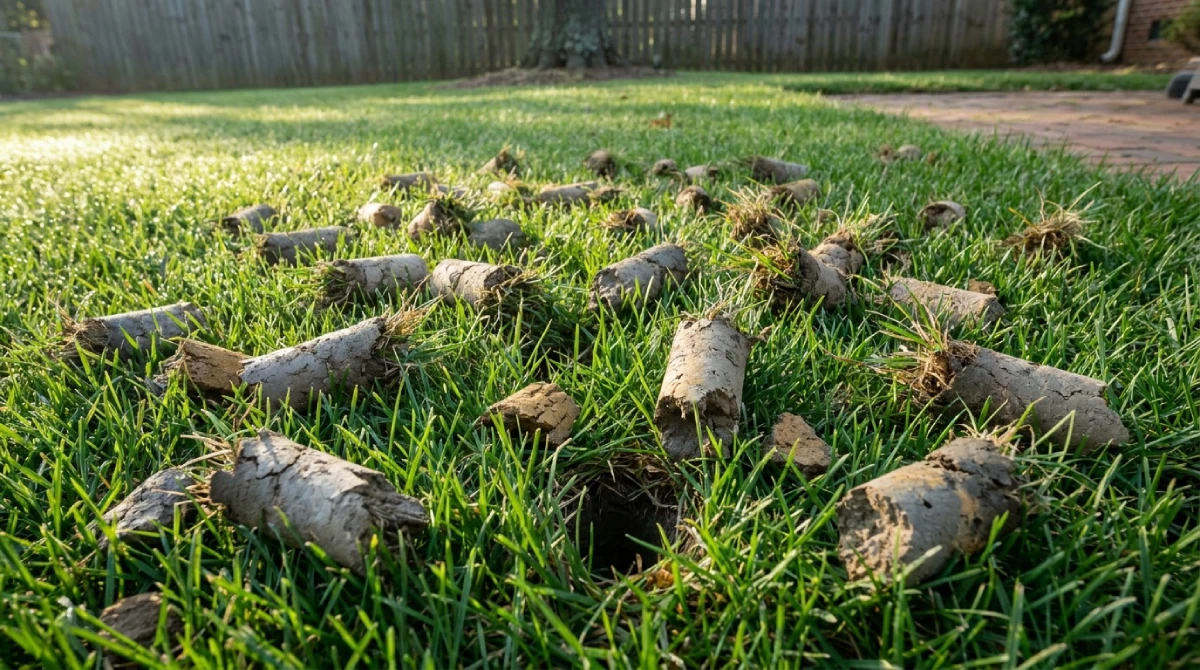
A single spring application won’t undo months (or years) of compaction, poor soil biology, or chronic weed pressure. Sustainable lawn care is a year-round strategy that supports the soil, strengthens roots, and addresses weeds and disease before they take over.
Turning Lawn Myths into Lawn Confidence
When you move beyond the myths, sustainable lawn care becomes less about guessing and more about partnering with your soil. Nature’s Select® offers eco-friendly solutions that support healthy soil, effective weed control, and smart disease control for homeowners in Greensboro, NC. If you're ready to build a long-term lawn care plan that aligns with your values and your yard’s needs, request an estimate at (888) 786-9735.