4 Reasons Why You Shouldn't Mow Wet Grass
We know how tempting it can be to speed through lawn care, especially when your grass is in desperate need of a cut. But here’s a golden rule—never mow wet grass. Cutting wet grass might seem harmless, but it can wreak havoc on your beloved lawn and your mower. Plus, would you want to leave your yard looking sloppy while risking long-term damage? Exactly. At Nature’s Select®, we’re here to help you make the right decisions for a thriving lawn so your grass can stay healthy and green year-round.
1. Slippery Slope for Your Lawn Mower
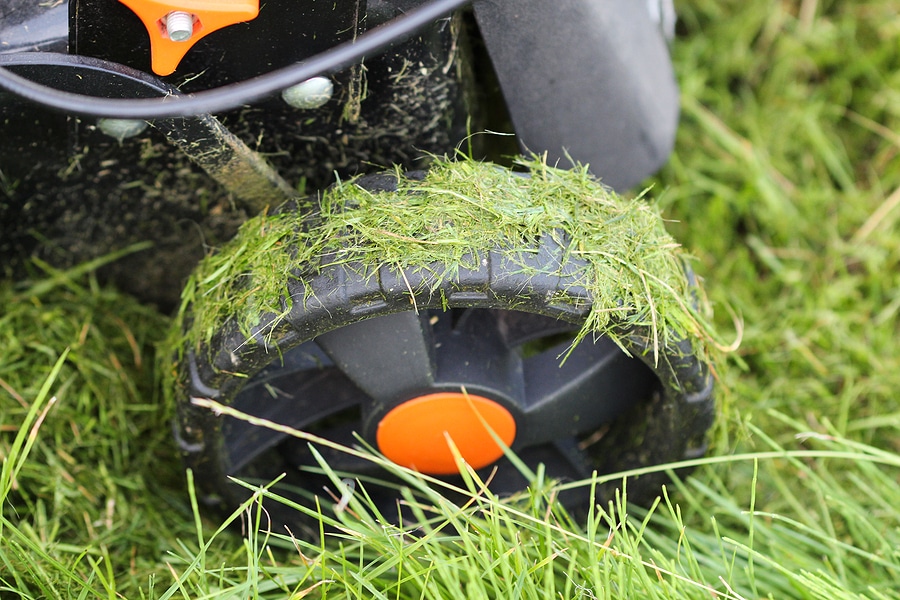
A soaked lawn doesn’t just challenge your patience—it strains your lawn mower, too. Wet grass clumps together, clogging your mower’s blades and deck, which reduces efficiency. Over time, this added strain can lead to engine wear and costly repairs. A stressed mower isn’t just bad for your wallet—it’s bad for your lawn, too!
2. Uneven Cuts Leave Your Yard Vulnerable
Mowing wet grass often results in uneven cutting, leaving sections of your yard looking neglected and patchy. Wet blades of grass get bent downward rather than cut cleanly, creating an inconsistent appearance. Worse yet, these uneven cuts can make your lawn more vulnerable to pests, diseases, and weeds, such as goosegrass and nutsedge, that thrive in stressed environments.
3. Compaction Can Suffocate Your Grass
When the ground is wet, it becomes more susceptible to compaction. Pushing your heavy mower across a saturated lawn compresses the soil underneath. Compact soil not only prevents your grass’s roots from spreading but also restricts water and nutrient absorption. The result? A struggling, lifeless lawn that takes ages to recover.
4. Your Safety Matters
Mowing wet grass isn’t just bad for your lawn—it’s potentially dangerous for you. Wet conditions create slippery surfaces, increasing the chances of an accident. Avoid cuts, falls, and unwanted mower malfunctions by waiting for dry conditions before tackling your yard work.
Keep Your Lawn Lush with Nature’s Select®
When it comes to your lawn, patience is key for long-term success. By skipping the temptation to mow wet grass, you protect your yard, equipment, and yourself. If your lawn needs more support, Nature’s Select® offers comprehensive services like goosegrass or nutsedge control, insect control, and lawn care to keep your turf thriving in Chapel Hill, NC. Give us a call today at (888)-786-9735 to request a free estimate and see how we can transform your lawn with care and expertise.