How to Stop Annual Bluegrass for Good
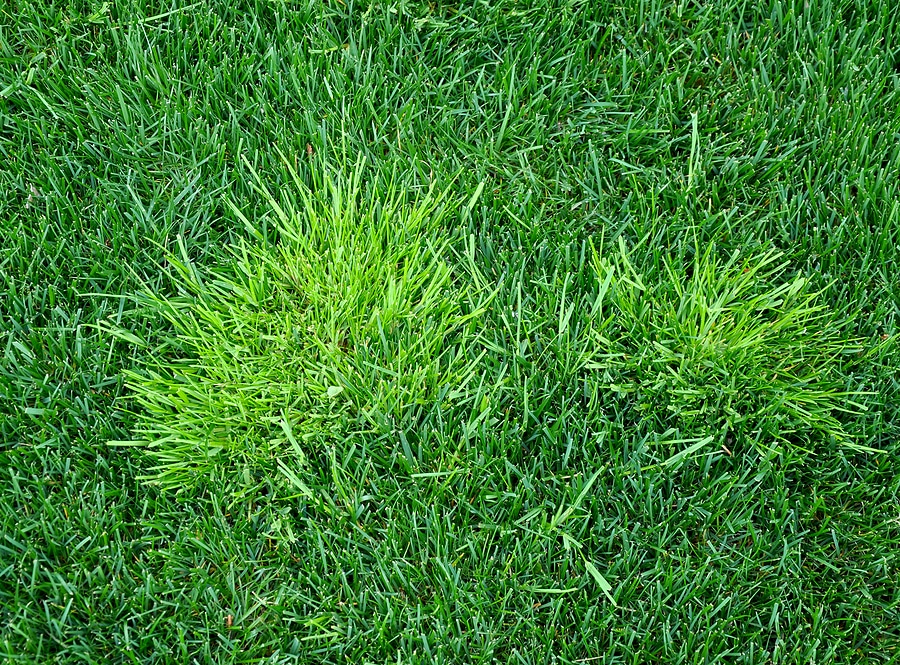
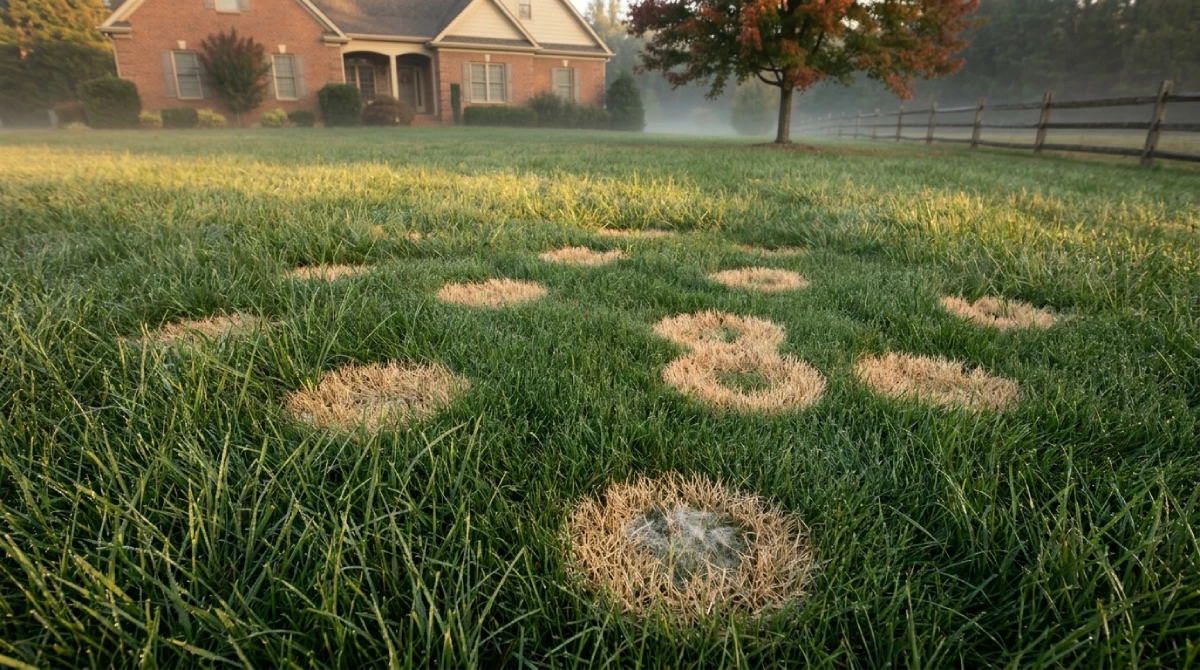
If you’ve ever battled with annual bluegrass, you know it never shows up alone, and it never seems to take the hint to leave. At Nature’s Select®, we understand how frustrating it can be to fight the same weed year after year, especially when you’ve worked hard to maintain a healthy lawn. So, let’s dig into why annual bluegrass keeps returning, and more importantly, how to kick it to the curb for good.
Why Annual Bluegrass Is So Persistent
Annual bluegrass thrives in cooler seasons, often germinating in the fall and becoming visible in late winter or early spring. It grows quickly, reproduces like crazy, and drops thousands of seeds into your soil before the summer heat takes it out. Unfortunately, those seeds can lie dormant until the next season, meaning you’re stuck in a frustrating cycle if you don’t take action.
You Could Be Helping It Spread
Your lawn care habits might be giving annual bluegrass a leg up. Mowing too low or watering frequently with shallow irrigation can weaken your turfgrass and encourage weed growth. Switching to deeper, less frequent watering and maintaining a healthy mowing height will help your lawn outcompete this pesky invader.
Pre-Emergent Treatments Are a Game-Changer
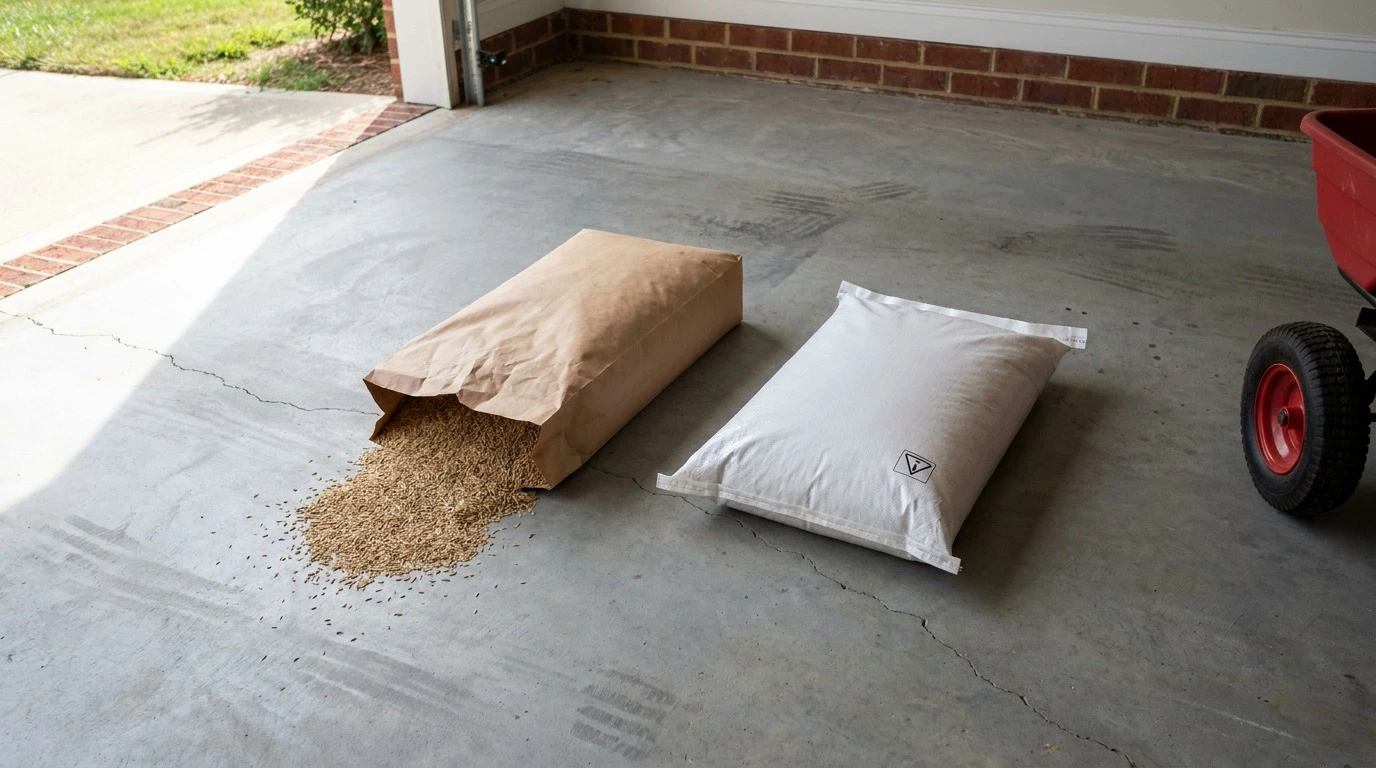
The secret to stopping annual bluegrass is getting ahead of it. Pre-emergent herbicides applied in the fall can prevent those seeds from ever sprouting. At Nature’s Select®, we apply targeted treatments that stop bluegrass before it even breaks ground, without harming your desirable grasses or the soil.
Ongoing Lawn Health Is the Key
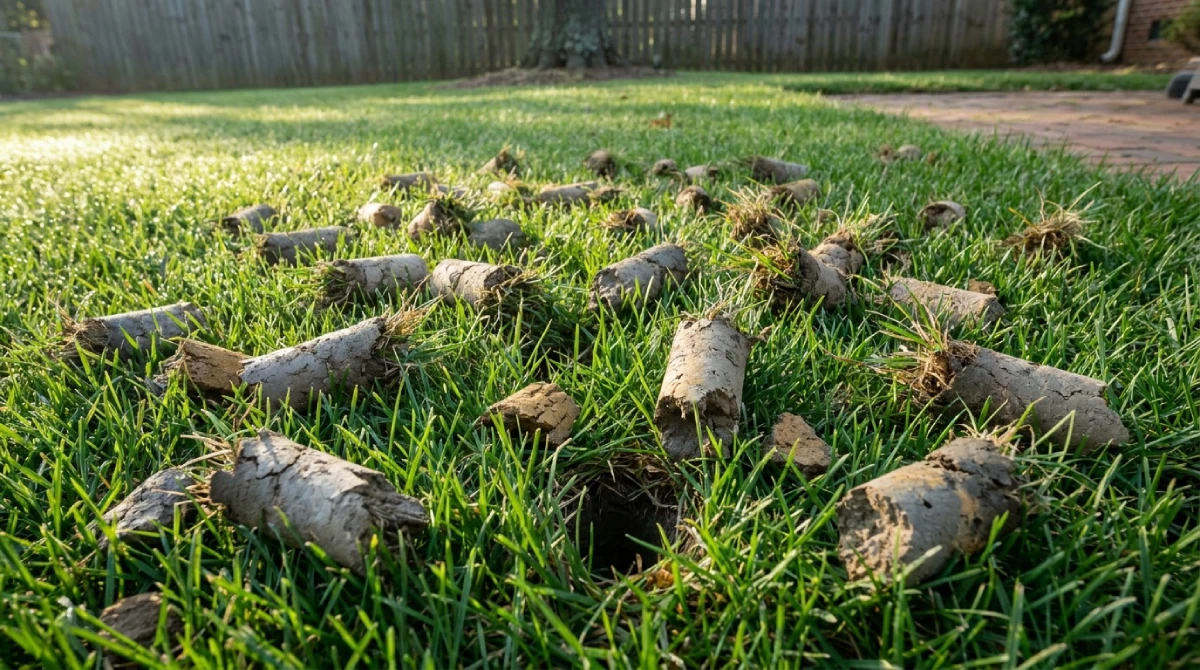
A strong, healthy lawn is your best defense. With a customized lawn care plan from Nature’s Select®, you can improve soil health, boost turf density, and create an environment where weeds struggle to grow. Plus, we don’t just stop at annual bluegrass—we also offer expert control of chickweed, dandelions, and tough weeds like dichondra. Request your free estimate from our team in Pinehurst, NC, today at (888) 786-9735 and let’s show annual bluegrass (and its weedy friends) the door!