3 Common Tree Root Diseases
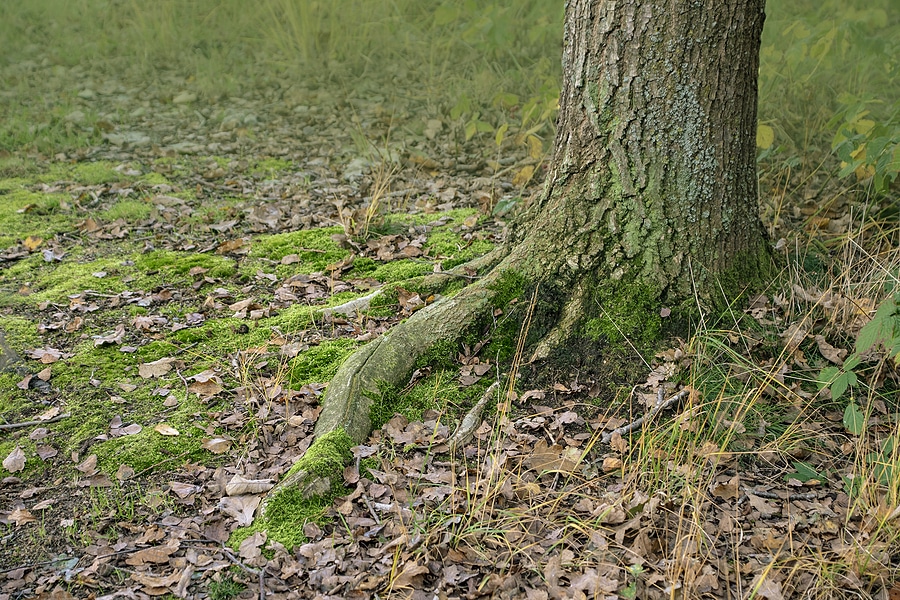
Tree roots are a massive underground network that carries water and nutrients from the soil up into the canopy. This system also keeps trees anchored to the earth, helping them sustain strong winds and rains. So, keeping the soil healthy around your trees is vital to their survival. That's why you need to turn to the tree and shrub care programs from Nature's Select Triangle. We can help prevent some of the most common tree root diseases that put your timber at risk.
1. Annosus Root Rot
Recent studies indicate that annosus root rot comes from two closely related fungi: H. annosum and H. parviporum. These two species of fungi are generally found in Europe and North America and attack pines and eastern red cedars. As trees attempt to defend themselves from this disease, you may notice resin developing near the root collars. Eventually, your pines could begin to thin at the crowns. Finally, the decay of a tree from this disease results in a pink or dull violet staining of the wood.
2. Littleleaf Disease
Another disease that affects pines is the littleleaf disease. It is the most serious and deadly for the shortleaf pines, causing their needles to turn yellow and eventually stop growing altogether. The fungus that causes this disease is usually prevalent in soils lacking nitrogen, heavy clay soils, and soils with a hardpan. Unfortunately, many pines end up dying, but not before shedding a large number of sterile acorns in the three years leading up to death.
3. Phytophthora Crown and Root Rot
Phytophthora crown and root rot affect fruit trees between five to seven years old. This type of root rot disease is caused by various fungi, including P. cactorum, P. cambivora, P. megasperma, P. dreschsleri, and P. syringae. These fungi require saturated lawns to take hold and are often introduced to trees through contaminated irrigation or organic fertilizer sources. Trees with this disease develop cankers on the trunks near the soil line, and fruit growth becomes stunted. Eventually, the canker engulfs the tree and kills it instantly.
Protect All Your Foliage
Your trees and shrubs are an essential aspect of your lawn. That's why we've made their health and security our top priority. At Nature's Select Triangle, you can count on our tree and shrub programs to protect your foliage from diseases and pests. We even have a program specific for boxwoods. So, if you live in Chapel Hill or Durham, NC, get a free estimate from us by calling (919) 240-4239.