3 Reasons to Treat for Mosquitos in the Spring
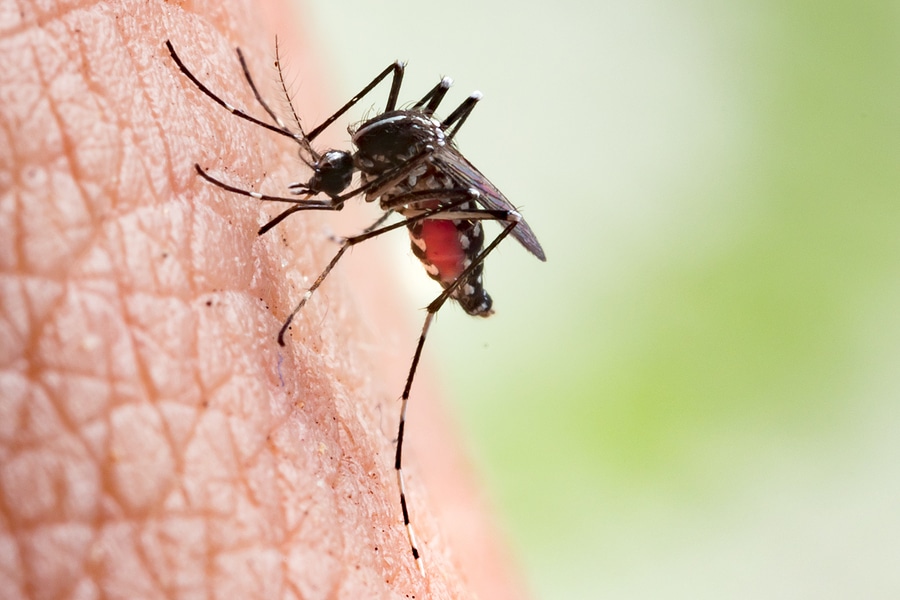
As the weather warms up and we start spending more time outdoors, nothing can ruin a beautiful day quite like a swarm of mosquitos. These pesky insects leave itchy bites and can transmit diseases such as West Nile virus and Zika. That's why it's essential to take proactive measures to treat for mosquitos. So, if you're ready to treat for mosquitos in the spring, Nature's Select Triangle is here to help!
1. Prevent Breeding & Population Growth
Mosquitos breed in standing water, so any areas around your home that collect water are potential breeding grounds for these pests. Treating for mosquitoes in the spring can eliminate existing larvae and prevent new eggs from hatching. This proactive approach helps reduce the overall mosquito population in your yard. It also makes it easier to enjoy outdoor activities without constantly swatting away these annoying insects.
2. Protect Your Health & Safety
Mosquitos are not just a nuisance - they also pose a health risk due to their ability to transmit diseases such as West Nile virus, Zika, and malaria. Treating for mosquitos early in the season can significantly reduce the likelihood of being bitten by infected mosquitoes and contracting these illnesses. Protecting yourself and your family from mosquito-borne diseases should be a top priority when spending time outdoors, making spring treatment essential for maintaining a safe outdoor environment.
3. Enjoy Your Outdoor Living Spaces
There's nothing quite like relaxing on your patio or hosting a backyard barbecue on a warm summer evening - unless you're constantly swatting away mosquitos. Treating for mosquitos in the spring helps create a mosquito-free zone around your home, allowing you to fully enjoy your outdoor living spaces without worrying about getting bitten or slathering on bug spray every few minutes. With effective mosquito treatment, you can make the most of your yard all summer long without being bothered by these persistent pests.
Get Ready for Warmer Weather
As we transition into warmer weather and spend more time outside, taking proactive steps to treat for lawn pests in the spring is important. This also means taking care of your shrubs and trees. If you're unsure where to start, contact Nature's Select Triangle in Chapel Hill, NC. Our team is standing by to offer you a free estimate. You just have to give us a call at (919) 240-4239.