3 Ways We Control Bermuda Grass
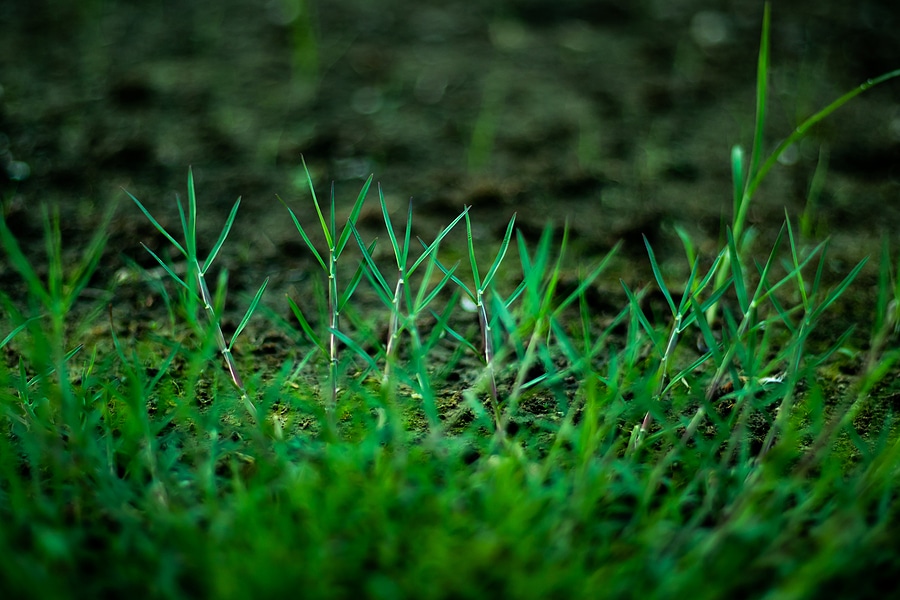
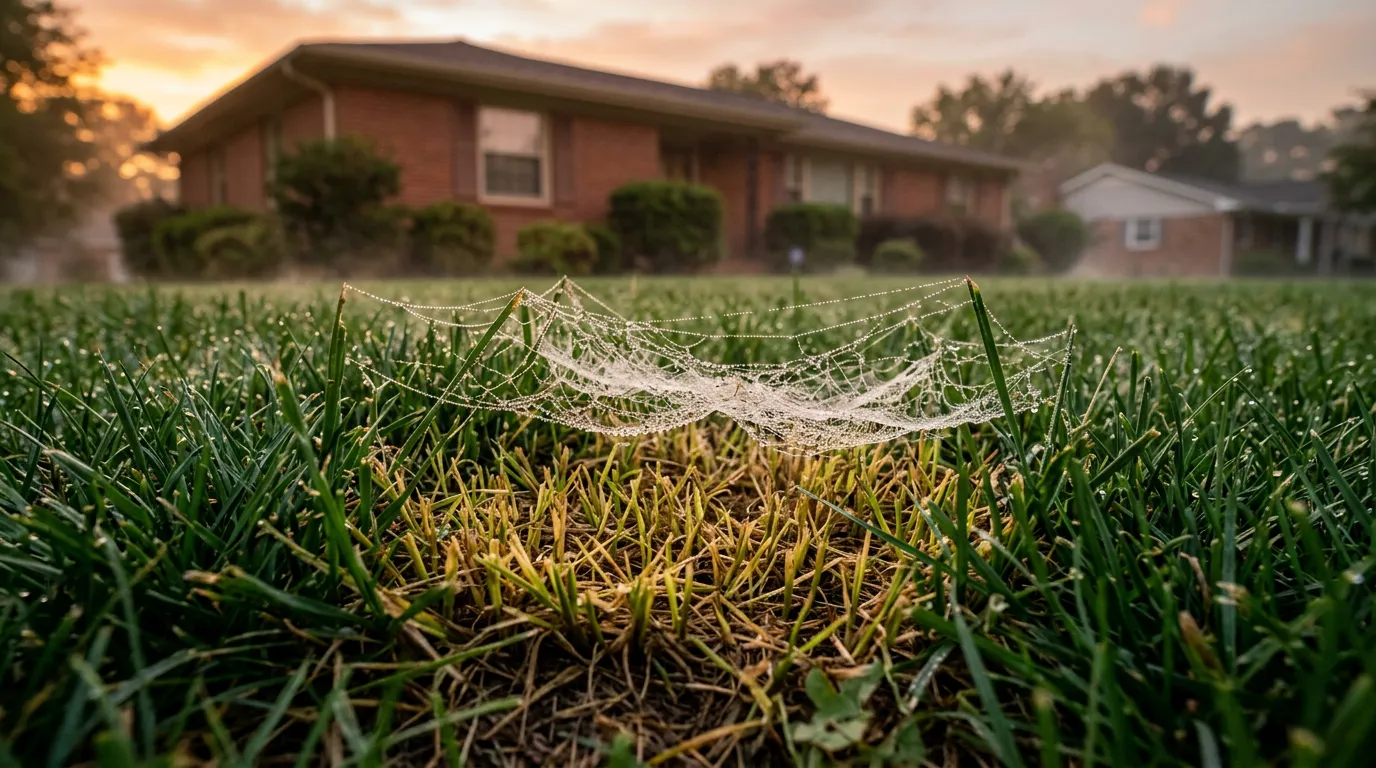
Bermuda grass is an aggressive, warm-season turf that tends to spread quickly and is hard to get rid of. If you didn't intend for this grass in your lawn, but see it creeping in, then it's time to give Nature's Select Triangle a call. Simply treating the grass as a weed will likely not work, especially since the roots tend to spread quickly and run deep. So, here are our three best options for eradicating Bermuda grass from your lawn.
Option 1: Keep and Overseed with Rye
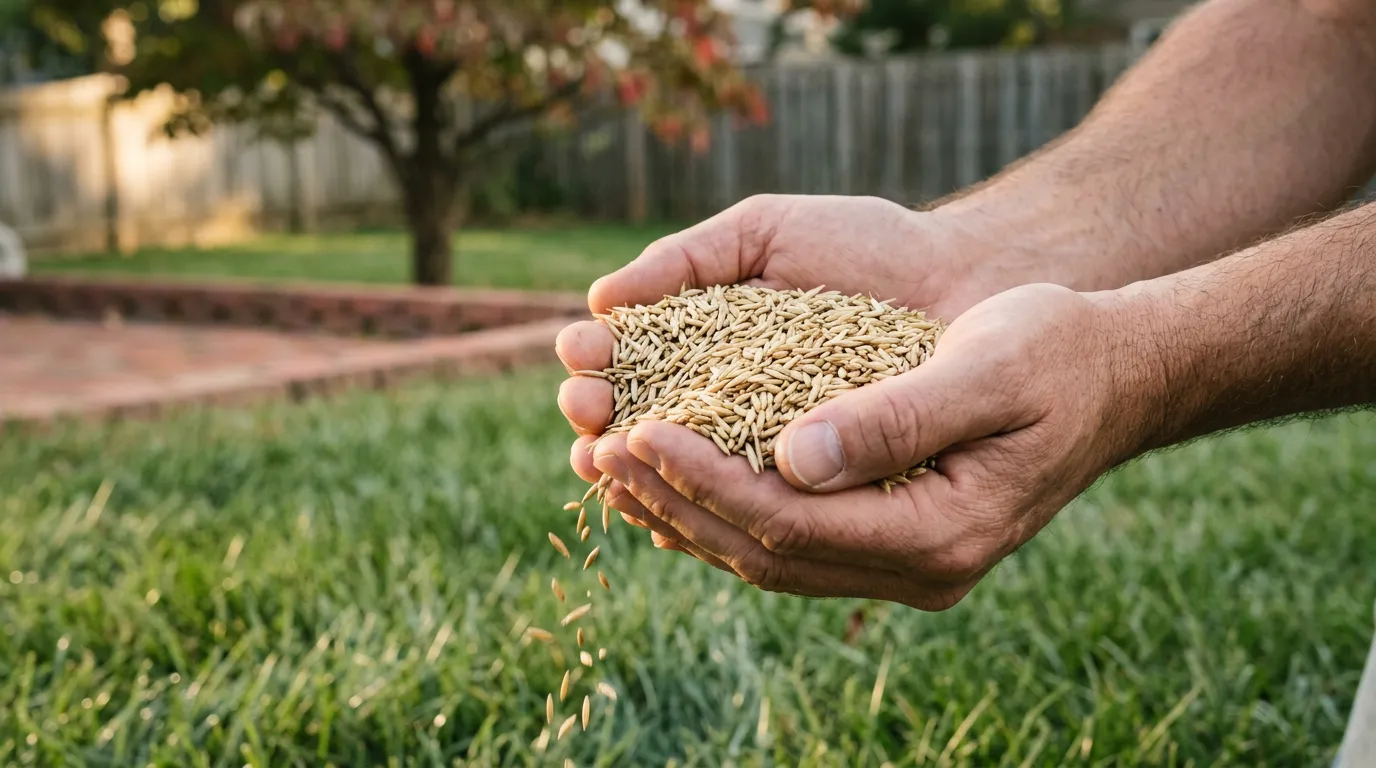
Overseeding your lawn with ryegrass helps curb the spread of Bermuda in your lawn. This option is usually the best for lawns where Bermuda is the dormant turf. Because the perennial ryegrass tends to stay green all year long and its leaves and roots compete with Bermuda for resources, you're likely to see less and less Bermuda each year.
Option 2: Suppression
In some cases, your tall fescue grass may be thriving, but you spot a few places of Bermuda blades. In this case, suppression of the warm-season turf is your best bet. Usually, we'll use a combination of our product applications twice in August, which has shown to reduce Bermuda grass by up to 95% the following spring.
Option 3: Removal
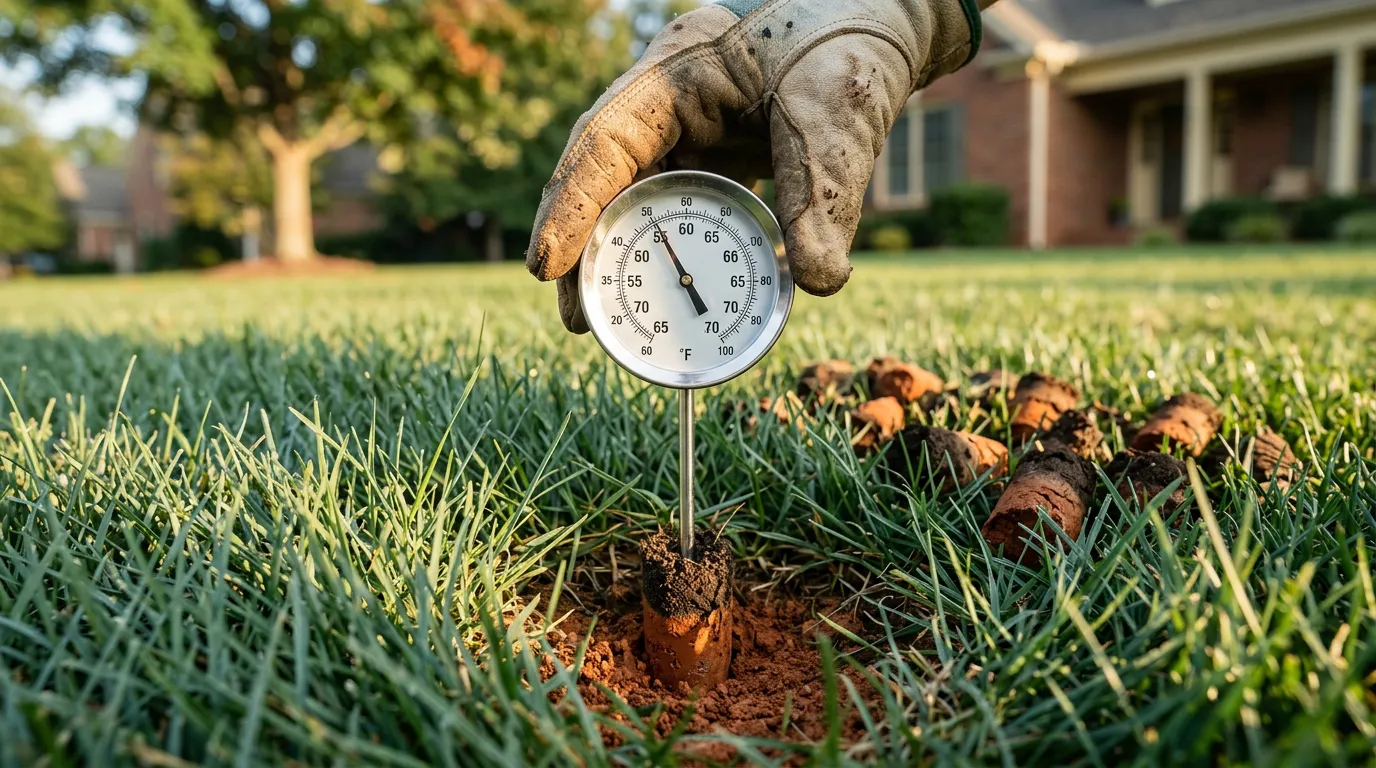
If you want to remove the Bermuda grass altogether, then we have a plan for that as well. This usually involves fertilizing the soil and letting the grass grow tall. Then, we apply a removal product that causes the turf to wither and die. We follow this up by mowing and spraying once or twice more. Finally, we replace the old turf with new by seeding and starting from scratch.
Controlling Bermuda Grass Starts Here
Bermuda grass may be planted on purpose in some places in the South, but that doesn't mean you want it on your lawn. So, at the first sign of emergence, give Nature's Select Triangle a call at (919) 240-4239. We proudly serve residents throughout Chapel Hill and Durham, NC, and we can help you! So, request your estimate today for Bermuda grass treatment, tree and shrub care, or lawn pest control.