5 Types of Mosquitoes in North Carolina
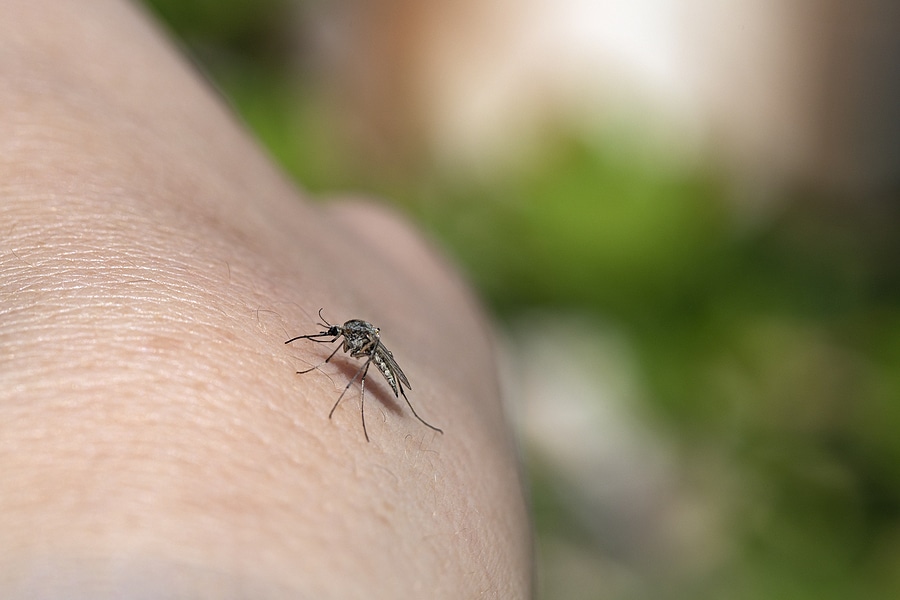
Mosquitoes are, by far, the most annoying outdoor pest for homeowners. These flying bloodsuckers thrive where there are ample water sources and plenty to feast on. Unfortunately, North Carolina is a hotbed for mosquito colonies, especially in regions where the weather is hot and humid. Thankfully, Nature's Select Sandhills has the right biological treatment that helps protect your home from these five types of mosquitoes.
1. Asian Tiger
The Asian tiger mosquito gets its name from the distinct black and white stripes along its body. This mosquito is one of the most popular in our state and is an extremely aggressive biter. It loves to feed on humans, livestock, domestic and wild animals, and even birds. Unfortunately, this mosquito is one of the most common spreaders of yellow fever and even dog heartworm.
2. Common Malaria
According to the CDC, roughly 2,000 cases of malaria are diagnosed in the United States each year. While a vast majority of these cases involve those who have traveled outside the U.S., some cases are caused by mosquito transmission. The culprit? The common malaria mosquito. This insect is found in large numbers throughout the southeastern part of the country, including right here in North Carolina.
3. Common Household
Also known as culex pipiens, the common household mosquito likes to sneak into homes and bite people while they sleep. The female mosquito needs your blood to complete her biological cycle and to lay her eggs. So, it can be hard to spot and kill them during the sunlight hours. But getting rid of them is crucial as they are a common carrier of the West Nile virus, among others.
4. Yellow Fever
Similar to the Asian tiger mosquito, the yellow fever mosquito has black and white markings all over its body. However, the yellow fever mosquito also has white markings on its legs. These biters tend to breed and lay eggs in unused flower pots, spare tires, and untreated swimming pools. They're a common carrier of yellow fever (hence the name), but can also carry and spread Zinka, dengue, and Mayaro fever.
5. Gallinippers
Gallinipper mosquitoes are the largest mosquito in the world. Most commonly associated with floods, these large mosquitoes pack a powerful bite. Most people bitten by these insects say it feels like being stabbed. The female gallinipper seeks blood by day and by night, and she becomes aggressive when disturbed. These mosquitoes are not ones to mess with, as they do carry the West Nile and encephalitis viruses.
Time for Your Mosquito Barrier
At Nature's Select Sandhills, we know how important it is to protect your home from pesky invaders. That's why we offer the best biological solutions for mosquito control. Our concentrated approach takes care of these biters while still protecting the natural ecosystem of your lawn. We use the same approach to your tree, boxwood, and lawn care. So, if you live in Sandhills, NC, or the surrounding area, call us today at (910) 757-0359.