Fall Aeration and Overseeding: Why, When and How
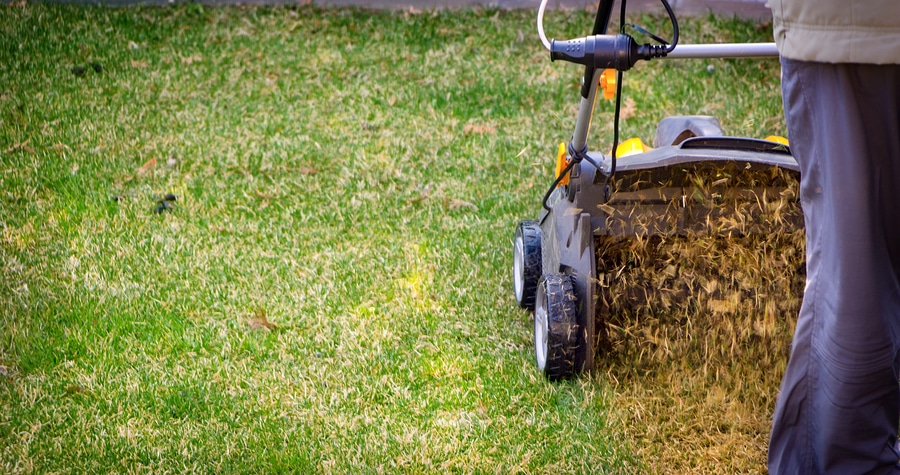
For tall fescue lawns in North Carolina, fall is the time to aerate and overseed. NC State Extension sets the overseeding window at September 1 to October 1 in the Piedmont and coastal plain, and core aeration right before seeding gives the new seed the best start. Warm-season lawns like bermuda and zoysia are different: they should be aerated in late spring or early summer instead.
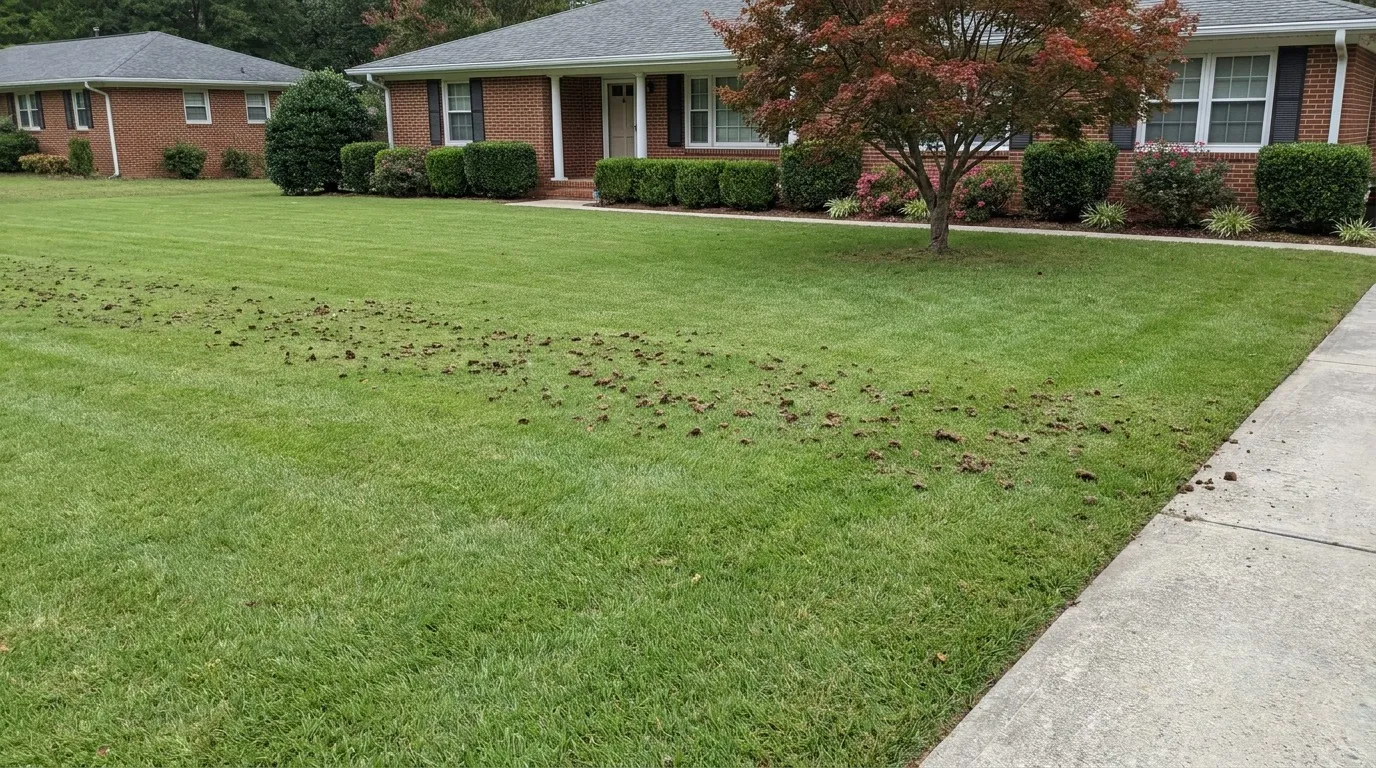
Aeration, or core aeration, means pulling small plugs of soil out of the lawn. The holes let water, air and nutrients move down into the soil. Overseeding means planting new grass seed into an existing lawn to fill in bare or worn patches and thicken the turf.
Done together, in the right season, they are two of the most useful things you can do for a fescue lawn. Here's why they work, when to do them, and what to expect afterward.
Why Aerate
Less compaction
Hard, compacted soil is a poor home for grass roots. Foot traffic, mowing and the natural density of Piedmont clay squeeze the soil until water runs off instead of soaking in. Aeration loosens it so roots can grow deeper and reach water and nutrients. NC State Cooperative Extension notes that clay soils are prone to compaction and need regular aeration.
Better watering
On an aerated lawn, water reaches deeper into the soil. That encourages a deeper root system, and deeper roots handle summer heat and dry spells much better than shallow ones.
Healthier soil and roots
Roots need oxygen as much as they need water. So does the soil life that breaks down organic matter and makes nutrients available to the grass. Opening the soil lets air back into the root zone, which supports both.
Thatch control in spreading grasses
Thatch is a layer of undecomposed stems and roots at the soil surface. In spreading grasses like bermuda and zoysia, too much of it can shelter pests and disease. NC State lists core aeration and thatch removal as ways to help avoid spring dead spot in bermuda. Tall fescue rarely builds much thatch. For fescue, the main reason to aerate is compaction.
Not all aeration is equal. Hollow-tine core aeration physically removes soil. If you're weighing it against spray-on products, see our comparison of core aeration vs. liquid aeration on NC clay.
Why Overseed
Tall fescue can't fill gaps on its own
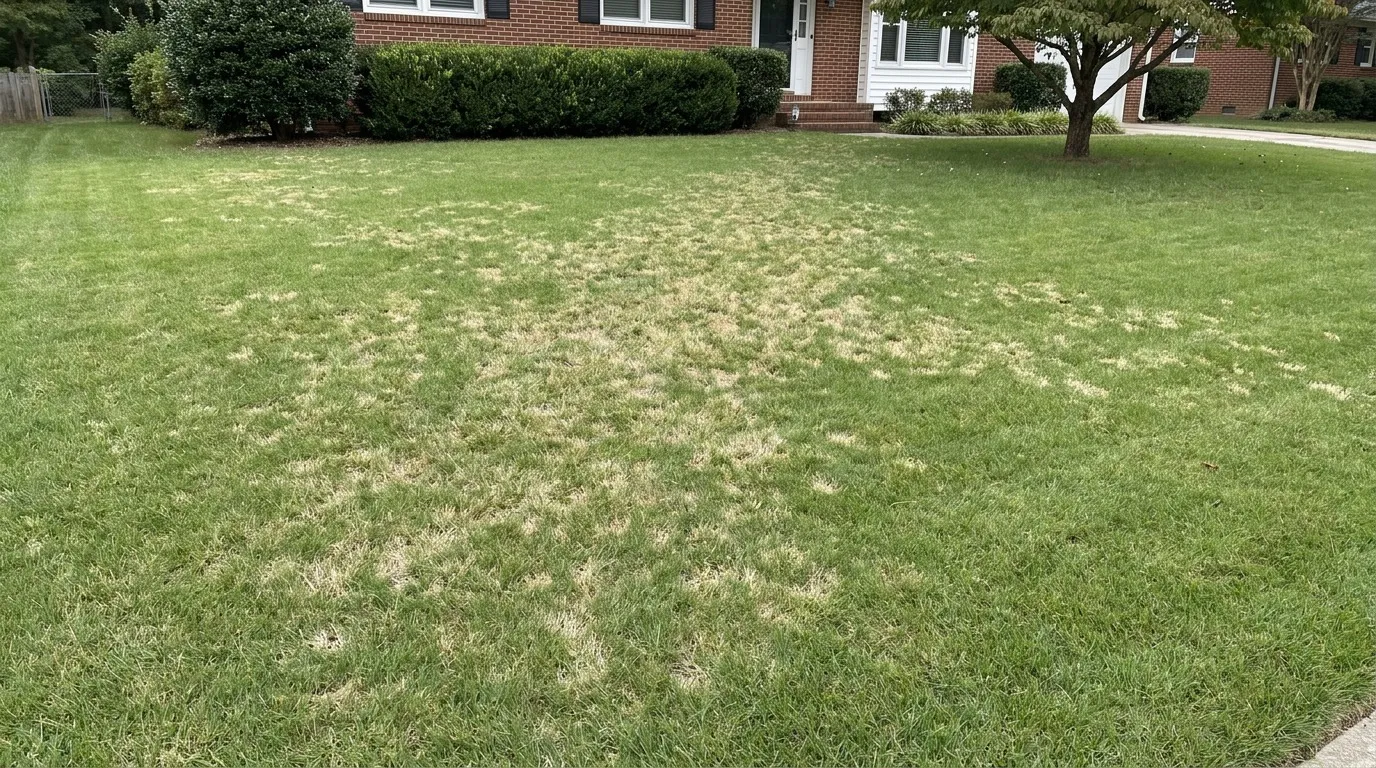
Tall fescue is a bunch-type grass. It doesn't spread by runners the way bermuda or zoysia does. Once a fescue lawn thins from summer heat, disease or traffic, the only way to thicken it back up is with new seed.
Better seed germination
Aerating first makes overseeding work better. The holes and loosened soil give seed the soil contact it needs to germinate and root. NC State TurfFiles recommends core aeration before seeding to relieve compaction, and notes that good seed-to-soil contact is paramount. With adequate moisture and soil temperatures, tall fescue usually germinates in 5 to 10 days.
Fewer weeds and a better-looking lawn
Weeds move into thin, weak spots. A thick, even stand of grass is one of the best long-term defenses against them, and against the damage a lawn picks up from insects, disease and summer stress. Expect to see seedlings within the first couple of weeks. The lawn thickens over the following weeks as the new grass tillers and fills in.
When to Aerate and Overseed
The best time to aerate and overseed a fescue lawn is fall, when temperatures have cooled but the grass is still actively growing. The window depends on where you live and what you grow.
| Lawn type | When to core aerate | When to overseed |
|---|---|---|
| Tall fescue, Piedmont and coastal plain | Fall, before seeding | September 1 to October 1 |
| Tall fescue, mountains | Late summer, before seeding | August 15 to September 1 |
| Bermuda and zoysia | Late spring or early summer | Not overseeded with fescue. Repair with sod, sprigs or plugs in late spring |
Why not spring for fescue? The NC State Extension tall fescue calendar says to delay aeration until fall. NC State turf specialists also warn that spring-seeded tall fescue is more vulnerable to drought, heat, fungal disease and weeds, and is unlikely to make it through a normal summer as a healthy stand. Seed too late in the fall, though, and cooler weather slows germination and raises the risk of winter injury. That's why the September window matters.
Aerate first, then seed, so the seed falls into the open holes and loosened soil where roots can get established quickly.
What to Expect Afterward
A few things decide whether fall overseeding pays off:
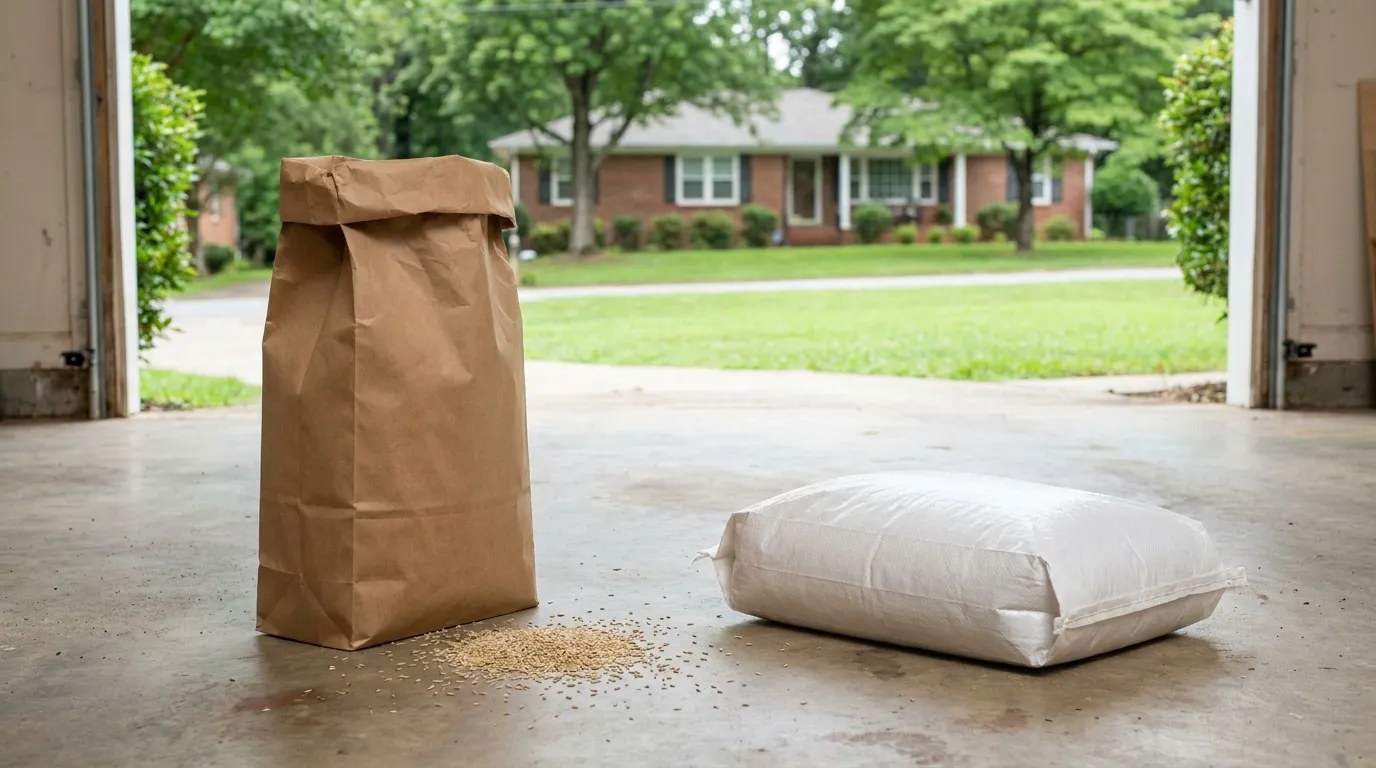
- Seed choice and rate. NC State recommends a blend of turf-type tall fescue cultivars at about 6 pounds per 1,000 square feet for thin or bare areas. Our post on overseeding rates for NC fescue goes deeper.
- Water. Keep the seedbed moist with light watering several times a day, and don't let seedlings dry out.
- Hold off on weed control. Some weed control products can damage seed and seedlings. NC State says fall-seeded grass shouldn't get any herbicide until it has tillered well. This is the overseeding and pre-emergent trap many homeowners fall into.
- Break up the plugs. NC State suggests breaking up the cores, often with a pass of the mower, so the soil works back into the lawn.
The first two weeks are the make-or-break stretch. Here's a day-by-day look at the 14 days after aeration that decide if it worked.
Frequently Asked Questions
Is fall or spring better for aeration and overseeding?
For tall fescue, fall. NC State recommends delaying fescue aeration until fall and seeding from September 1 to October 1 in the Piedmont and coastal plain. For bermuda and zoysia, aerate in late spring or early summer.
Should I aerate before overseeding?
Yes. Core aeration before seeding relieves compaction and improves seed-to-soil contact, which NC State calls essential for good germination.
How soon will I see new grass?
Tall fescue typically germinates in 5 to 10 days with good moisture and soil temperatures. A noticeably thicker lawn takes several more weeks as the seedlings fill in.
Can I overseed my bermuda or zoysia lawn with fescue in the fall?
Not as a lawn repair. Bermuda and zoysia spread on their own and are repaired with sod, sprigs or plugs in late spring, when they are actively growing.
What should I do with the soil plugs after aeration?
Break them up and let the soil work back into the lawn, as NC State recommends. A pass with the mower once they dry usually does it.
Call in the Experts
Nature's Select® Lawn Care pairs core aeration and overseeding with a biological approach that builds healthy, living soil, so new seed has the best chance to take hold. Learn more about our aeration and overseeding service and our full lawn care programs.
We serve homeowners in and around Winston-Salem, Greensboro, Chapel Hill and Pinehurst. To start building a thicker, healthier lawn, request your free estimate today.