How to Protect Roots from Cold Damage
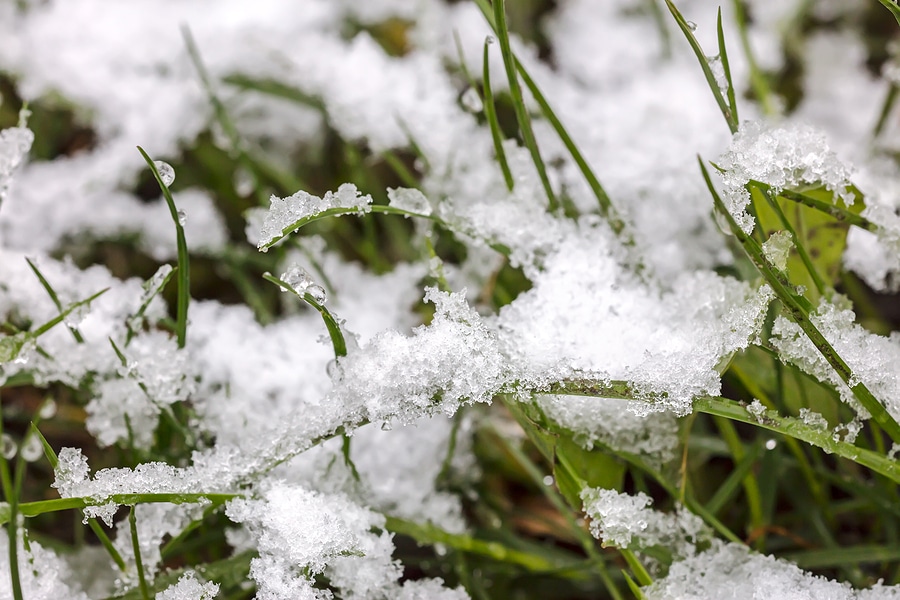
When winter swings through, and your lawn suddenly looks like it’s gone into hibernation, it’s easy to worry that everything is dying. The truth? Much of your turf and landscape is just sleeping, but they still need protection. At Nature's Select®, we focus on helping homeowners protect what’s happening under the soil surface just as much as what they see above it. So, here's our advice on protecting roots from the cold.
Start with Strong, Insulated Roots
Grass survives winter from the roots up, so protecting that root zone is key. When soil temperatures drop, shallow, weak roots and thin turf are the first to suffer from cold stress. Aim to build a dense, healthy lawn well before winter by mowing at the proper height and feeding the soil, so roots grow deeper, not just wider. As winter settles in, a late-fall deep watering ahead of a hard freeze helps lock in moisture around the roots, creating a natural buffer against temperature swings and allowing your grass to wake up stronger in spring.
Don’t Stress Your Turf Before the Cold
Lawns that go into winter stressed are more likely to struggle in spring. Avoid scalping the grass in late fall—keep mowing at the recommended height so there’s enough leaf blade to protect the crown and root zone. Heavy traffic on frozen or soggy turf can also crush blades and compact the soil, so try to keep kids, pets, and equipment off vulnerable areas when possible.
Watch the Weather Whiplash
In our area, it’s not just the cold—it’s the constant swing between warm spells and sudden freezes that can stress your turf. Those freeze–thaw cycles can cause the soil to shift, exposing or “heaving” grass crowns and fine roots. To help your lawn handle the roller coaster, avoid heavy nitrogen applications late in the season, which push out tender new growth that’s easily damaged by cold snaps.
Give Your Lawn a Strong Comeback
Winter is only one chapter in your lawn’s story. Protecting grass roots now sets the stage for healthier turf when things warm up again. And remember: Nature's Select® offers eco-friendly lawn care solutions for brown patch, slime mold, and other lawn diseases common after winter in Pinehurst, NC, and the surrounding areas. So, give your lawn the rebound it needs by working with a lawn care partner that thinks beyond a single season. Request an estimate today at (888) 786-9735.