Is Lawn Fungus Harmful to Pets and People?
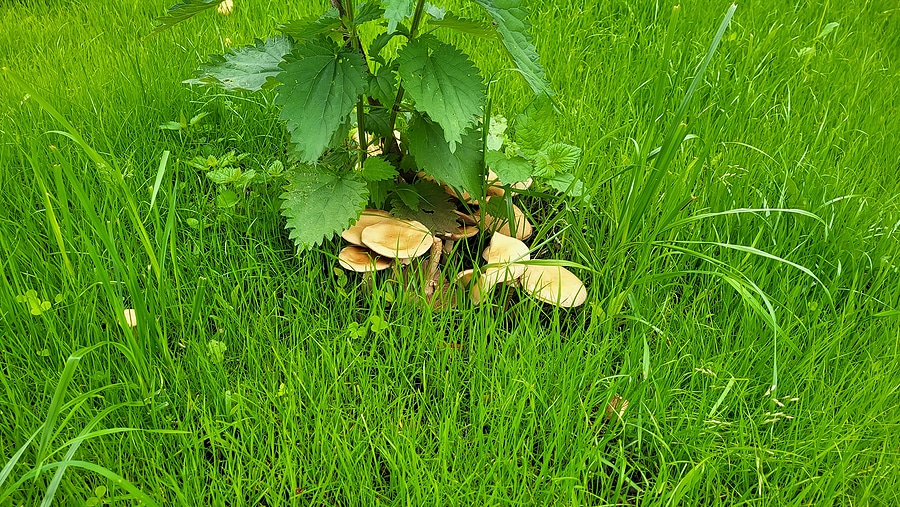
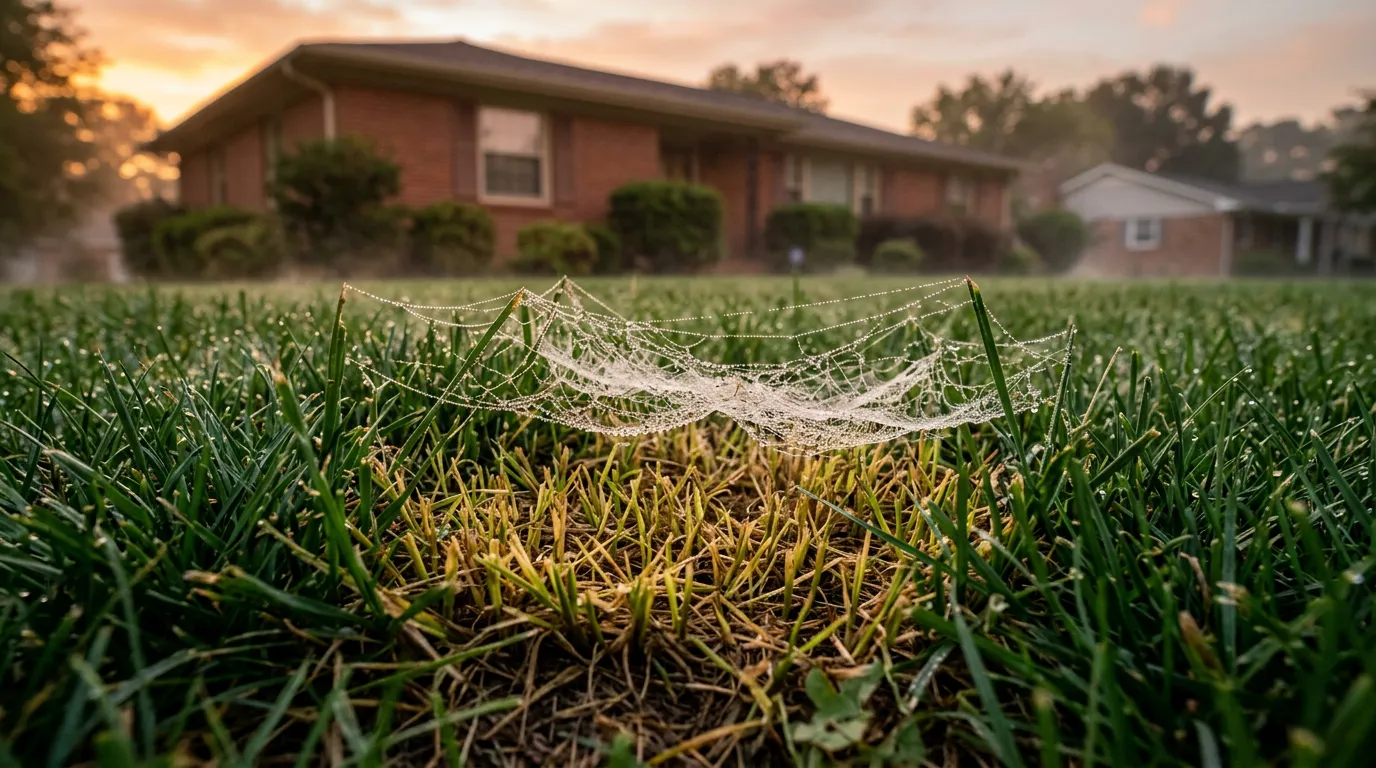
If you’re a homeowner living in North Carolina, chances are you’ve seen the beginnings of lawn fungus at some point. Fungi can take on many forms, from mushrooms to patches of yellow or brown grass. While they can look concerning, not all of them pose a threat to your family and pets. So, let’s explore how lawn fungus can affect you and your furry friends and why you should call Nature's Select Piedmont for disease control.
Are All Lawn Fungus Harmful?
No, not all fungi are considered dangerous. In fact, some types of fungi actually help aerate the soil and promote healthy grass growth. However, there are several species that do pose a risk to humans and animals alike. Examples include Pink Patch disease (which causes pinkish-red patches on the lawn) and Brown Ring Disease (which generally appears as yellow rings). These diseases can cause nausea, vomiting, diarrhea, and other symptoms if ingested by people or pets.
What Can I Do To Prevent Lawn Fungus?
The best way to prevent lawn fungus is to maintain a well-balanced yard with plenty of sunlight and airflow. Make sure that your sprinklers don’t water for too long at one time as excess moisture can encourage fungal growth. Additionally, it’s important to ensure that your yard has an adequate amount of nitrogen—fertilizing your soil every few months is a good idea if you want to keep fungi at bay. Finally, make sure you mow regularly; cutting the grass short helps prevent nutrients from being absorbed by the fungus instead of the roots.
Who Should I Call for Treatment?
Fungal growth in your yard isn’t something to be taken lightly. Certain types of fungi can be harmful to both people and pets alike if ingested or inhaled. Luckily, Nature's Select Piedmont knows just how to handle the fungi in your lawn. So, if you live in Greensboro, NC, or the surrounding areas, request your free estimate from us at (336) 544-4554. We can even help with pests and tree care.