Why Bermudagrass is Hard to Control

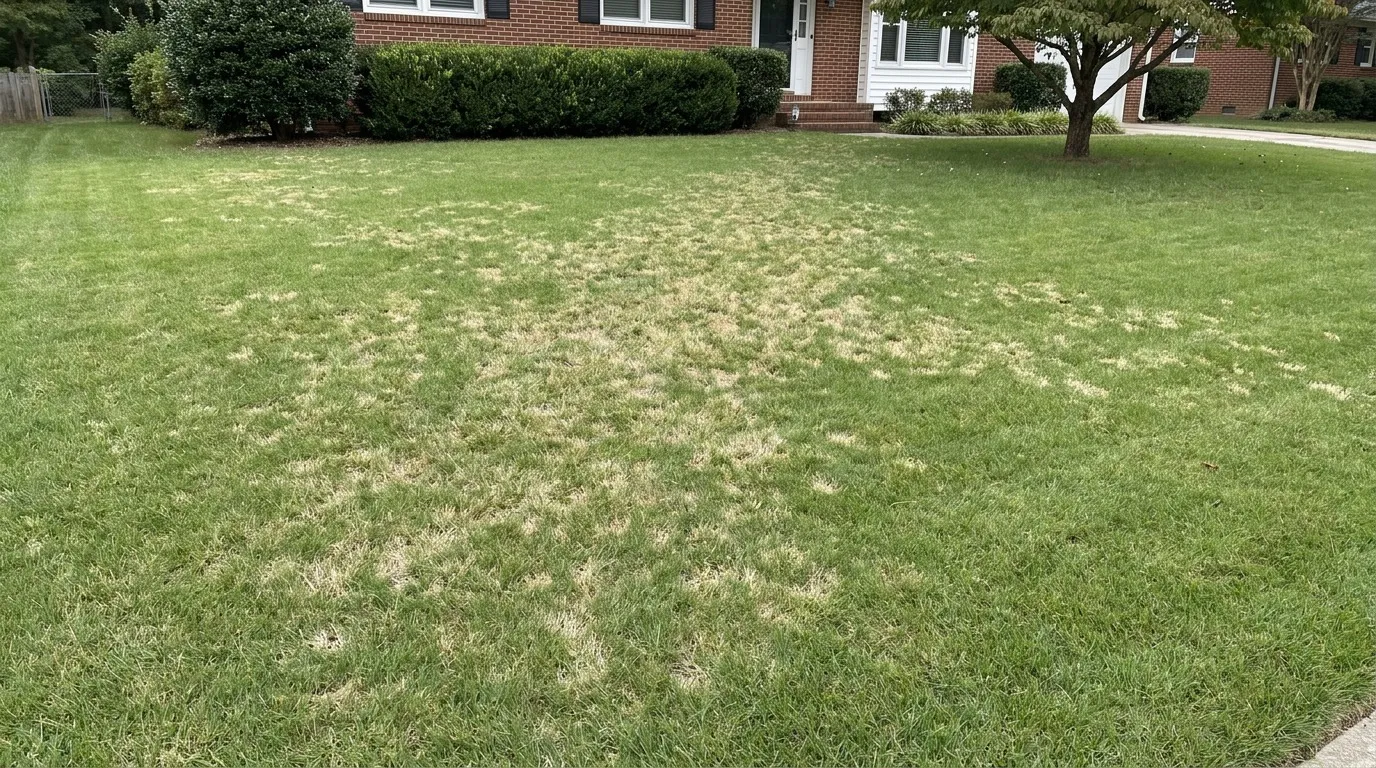
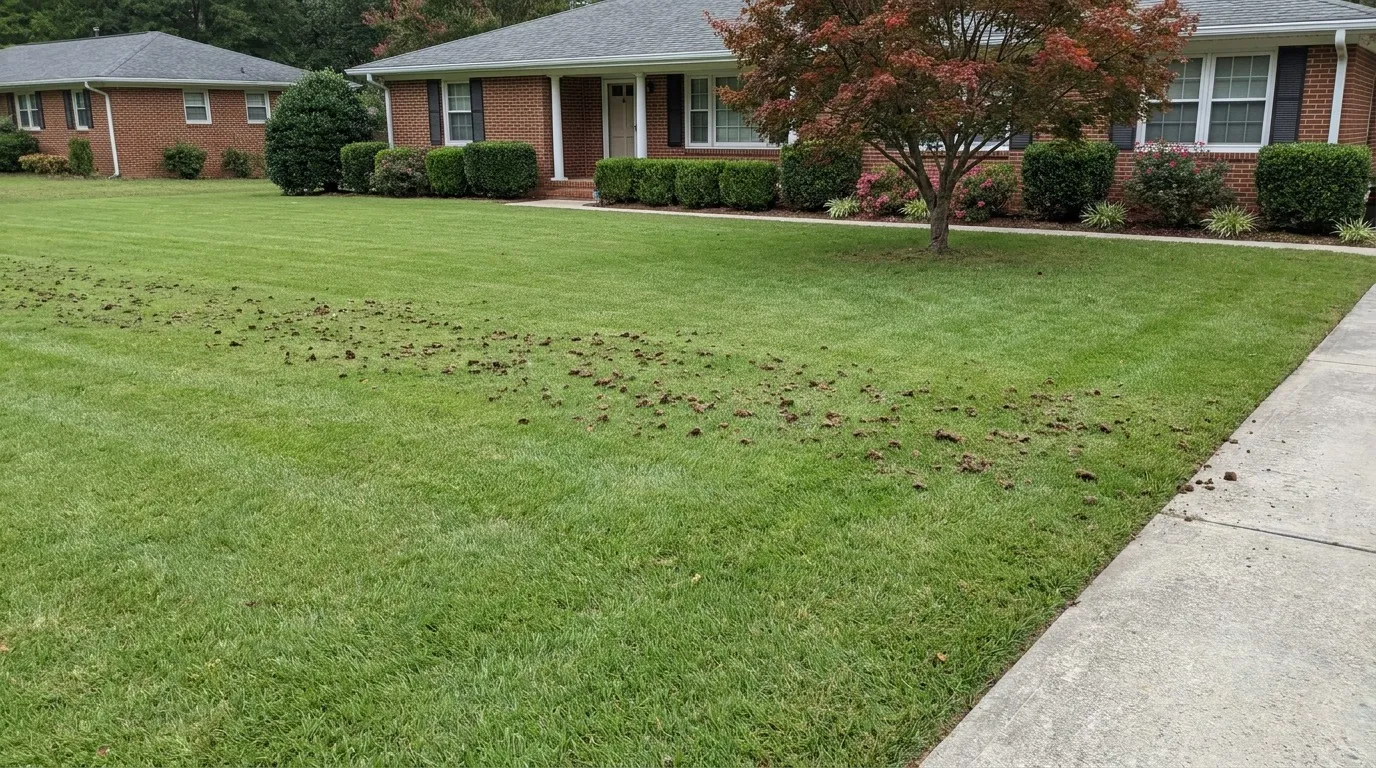
Bermudagrass is a plant species that many landowners have a love-hate relationship with. On the one hand, it's a fast-growing grass perfect for filling in bare spots in your lawn. On the other hand, it's an invasive species that can quickly take over your yard and choke out other plants. But why is this grass so aggressive? Nature's Select Piedmont answers that question and explains why bermudagrass is so hard to control.
It Spreads Quickly
One of the main reasons that bermudagrass is so invasive is that it spreads quickly through underground runners called stolons. These stolons can grow as much as six inches daily, so bermudagrass can easily take over your yard if left unchecked. To make matters worse, these stolons can grow up to three inches deep in the soil, making it difficult to remove them without damaging your lawn.
It's Very Resilient
Bermudagrass is a resilient plant that can survive drought, disease, and foot traffic. This makes it an ideal choice for homeowners who want a grass that can handle heavy use. However, this resilience also means that bermudagrass can be difficult to kill once established. It can quickly bounce back from mowing, herbicide treatments, and other control methods, which makes it frustrating for homeowners who are trying to get rid of it.
It Thrives in Warm, Sunny Areas
Bermudagrass is a warm-season grass that thrives in hot, sunny areas, and North Carolina landscapes have just the right amount of both. This is especially true the further south you go or if you have a lawn that receives only sun. Because it can thrive in these areas, bermudagrass is either your best friend or foe, depending on the type of lawn you want.
Treat Bermudagrass Accordingly
If you find yourself in this love-hate relationship with the bermudagrass on your lawn, you're not alone. Nature's Select Piedmont works with plenty of landscapes throughout Greensboro, NC, that include bermuda blades. Thankfully, our biologically-based nutrient treatments restore soil health and encourage growth sustainability, so bermudagrass doesn't become a problem. We also offer lawn disease and tree care. So, if you want to start working with nature and not against it, get your free estimate at (336) 544-4554.