Why Your Lawn is Prone to Lawn Fungus
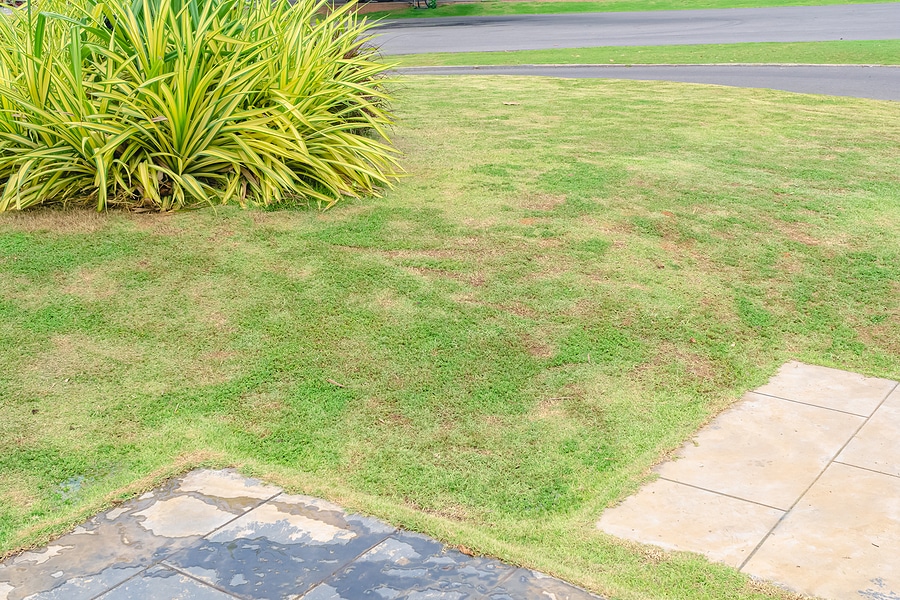
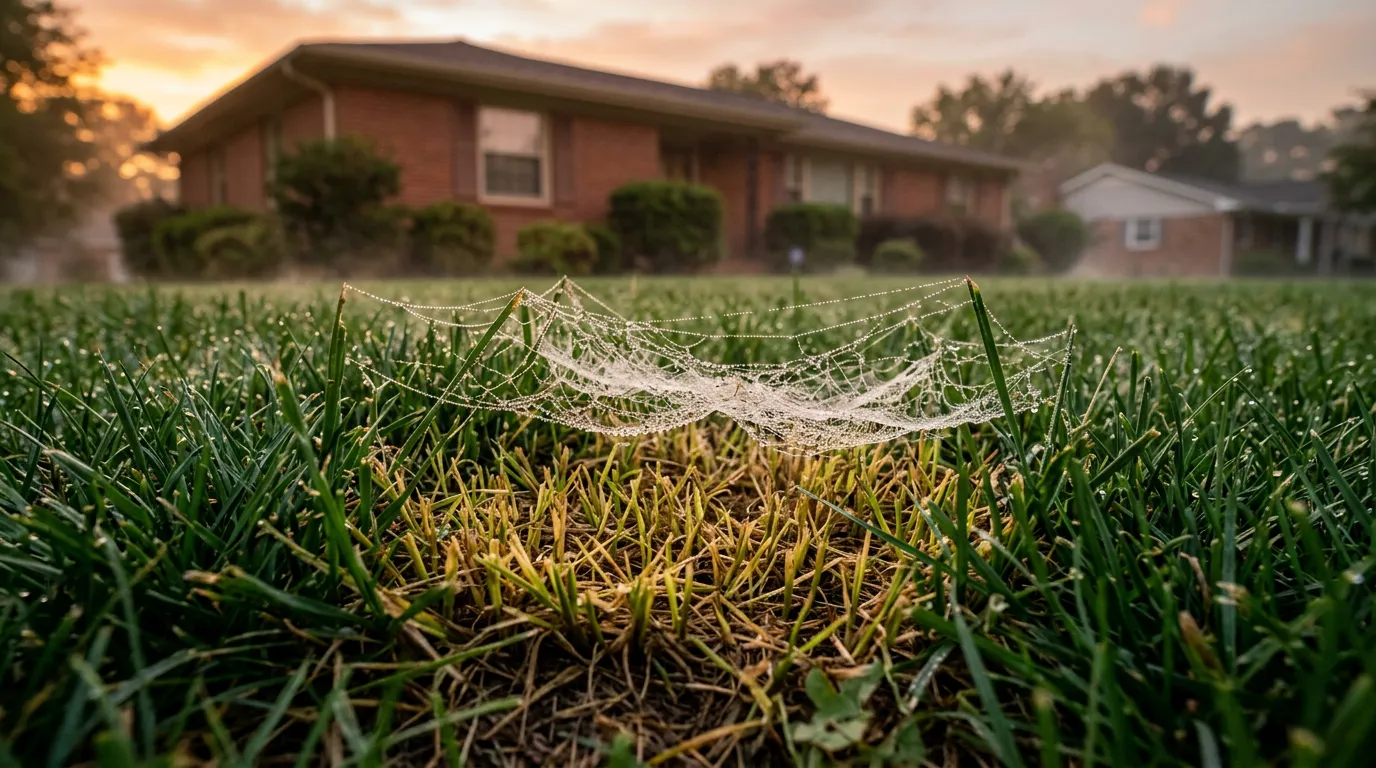
A beautiful lawn is every homeowner’s dream. But when pests, weeds, and fungal diseases attack your lawn, it can be quite frustrating. It's crucial to find out why your lawn is prone to lawn fungus in the first place. Nature's Select Sandhills is here with an in-depth explanation and why we're the solution for your lawn.
Poor Drainage
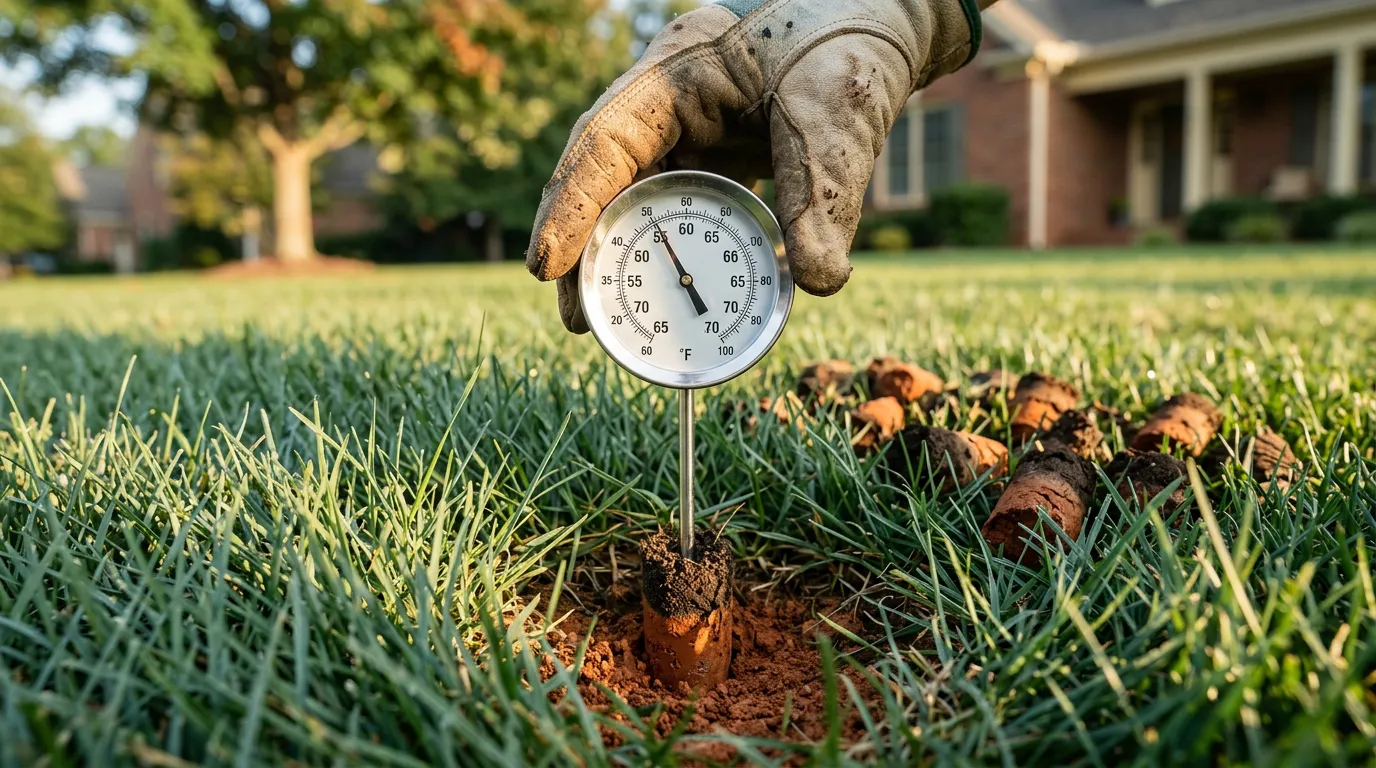
Excessive moisture in the soil creates the perfect breeding ground for fungi. Poor drainage is the primary cause of excess moisture in lawns. When water can’t drain properly, it accumulates on the soil’s surface and creates an environment favorable to fungal growth. To improve drainage, you can aerate your lawn, add organic matter to the soil, and ensure that water flows freely away from your yard.
Overwatering
While lack of water can cause the grass to wither and die, overwatering can create the same conditions that lead to fungal infections. When you water your lawn too often, the soil becomes saturated. This then makes your lawn prone to lawn fungus. To avoid overwatering, you can water your lawn deeply and less frequently, preferably in the morning when the soil is cooler and not during the day when the sun is hot.
Mowing Too Short
Mowing your lawn too short may seem like a time-saving technique, but it can have detrimental effects on your lawn’s health. Shorter grass blades have a weaker root system and are prone to stress, which provides an ideal environment for fungi to tag along. Instead, it’s better to raise your lawnmower blades and mow when the grass is dry. It’s also good practice to sharpen the mower blades to avoid damaging the grass blades.
Lack of Essential Nutrients
When your lawn doesn’t get the necessary nutrients, it becomes weak and susceptible to damage by pests and fungal diseases. Nitrogen, phosphorus, and potassium are essential nutrients that your lawn needs to grow healthy and strong. However, if you apply synthetic fertilizers in excessive amounts, you could create excess soil nitrogen, which can lead to fungal infections. To avoid this, you should opt for fertilizers that contain reduced chemicals.
Healthy Soil Means a Healthy Lawn
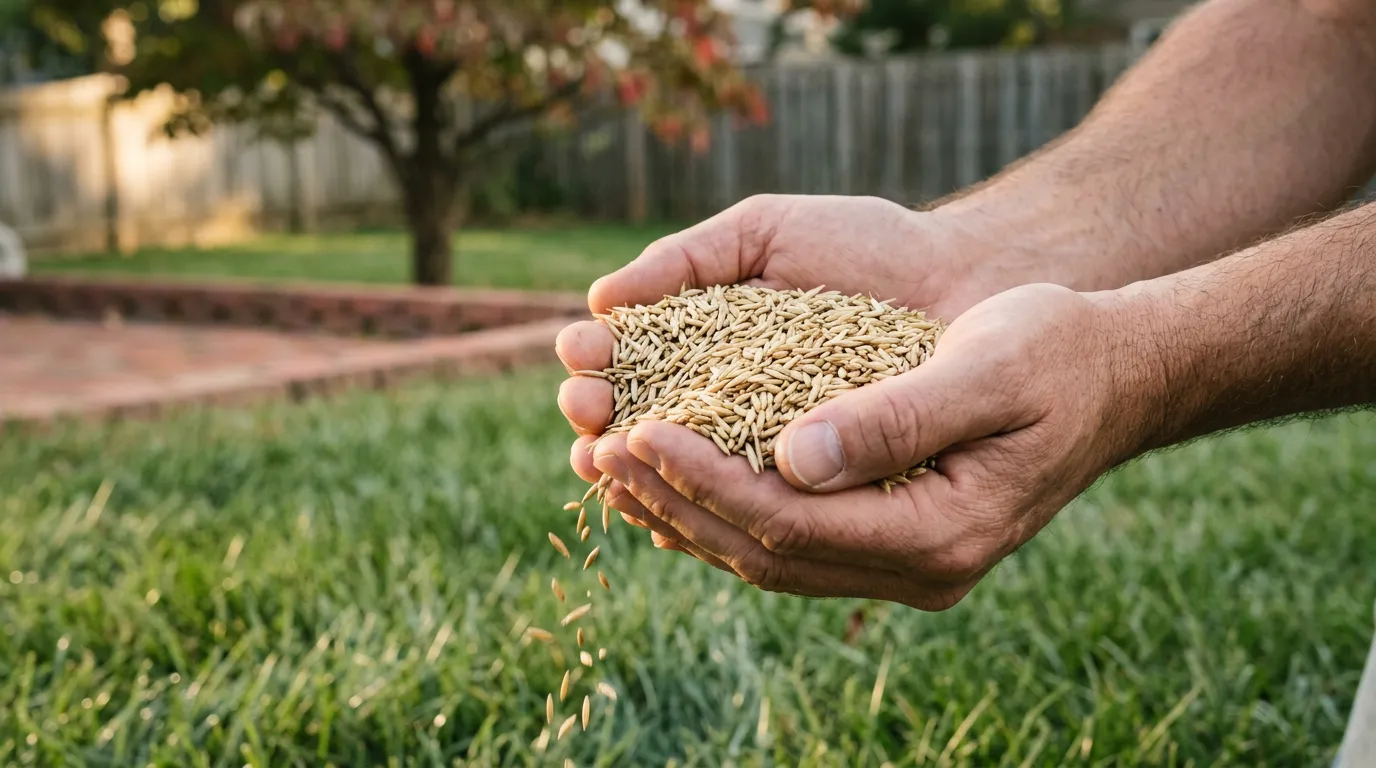
Treating lawn fungi isn't something you should tackle alone. Instead, give Nature's Select Sandhills a call at (910) 757-0359. We specialize in restoring lawns across Pinehurst, Southern Pines, and Seven Lakes, NC, and we can help restore yours! We'll even aerate and seed and look for signs of tree pests around your property.