Boxwood Care: A Beginner’s Guide
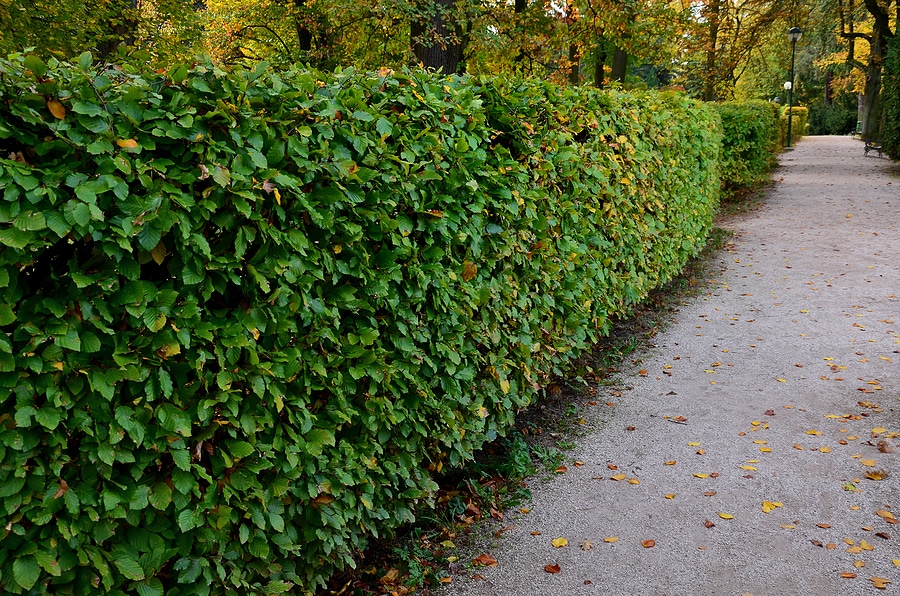
If you are lucky enough to have boxwoods in your garden, then you know just how beautiful they can be. Boxwoods add a touch of elegance and sophistication to any landscape. However, boxwoods can be a little tricky to care for, especially if you are a beginner. Thankfully, Nature's Select Piedmont is here to discuss the basics of boxwood care so you can keep these plants looking healthy and beautiful!
Where You Plant Matters
When it comes to boxwoods, where you plant matters. Boxwoods prefer well-drained soil and a warm, sunny location. If you're planting boxwoods in a shady area, choose varieties that can handle partial shade. Additionally, boxwoods can be sensitive to wind and cold temperatures. So, if you want to protect your boxwoods during the winter months, cover them in burlap sacks or some other soft covering. They will appreciate the extra coverage and will thank you by growing strong and healthy. Furthermore, mulching around the base of your boxwoods will help keep the soil moist, protecting the roots of a boxwood plant from all outside factors.
Know the Right Time to Plant
Knowing the right time to plant boxwoods is key to the success of your boxwood garden. Boxwood plants love the sun, so they should be planted during the spring or early summer months when there is plenty of sunlight. Additionally, the late summer through early winter are ideal growing times. Choosing the proper growing seasons gives the root systems plenty of time to dig deep into the ground and establish themselves. If you do decide to plant in the middle of the summer, know your boxwood care will include watering regularly until early fall.
Give Your Boxwoods Space
Boxwood care also includes spacing them correctly. How close they are also heavily depends on the type and their purpose. For example, if you want hedges that provide a decent amount of privacy, you'll need to plant them relatively close. In this instance, you might choose a dwarf plant that you can space just two feet apart. If you're still unsure how to space boxwoods, look at how wide they'll grow and base your spacing on that measurement.
Nurture and Nature Go Hand-In-Hand
Boxwood care isn't something to take lightly. These plants require a great deal of attention, especially in the early years. So, when you need a proper maintenance and care program, turn to Nature's Select Piedmont. We specialize in boxwood and tree care, ensuring they grow strong and healthy and remain disease-free. So, if you live in Greensboro, NC, give us a call about your boxwoods at (336) 544-4554.