Why Late Summer Is Prime Time for Lawn Disease
As late summer temperatures soar and humidity levels rise, lawns in North Carolina become more susceptible to a range of fungal diseases. At {{company_name}}., we understand that lawn disease can be frustrating, especially when your yard has thrived all season. Late summer conditions provide the perfect breeding ground for lawn diseases. Here's what you need to know about some common issues and how to combat them effectively.

Pythium Blight
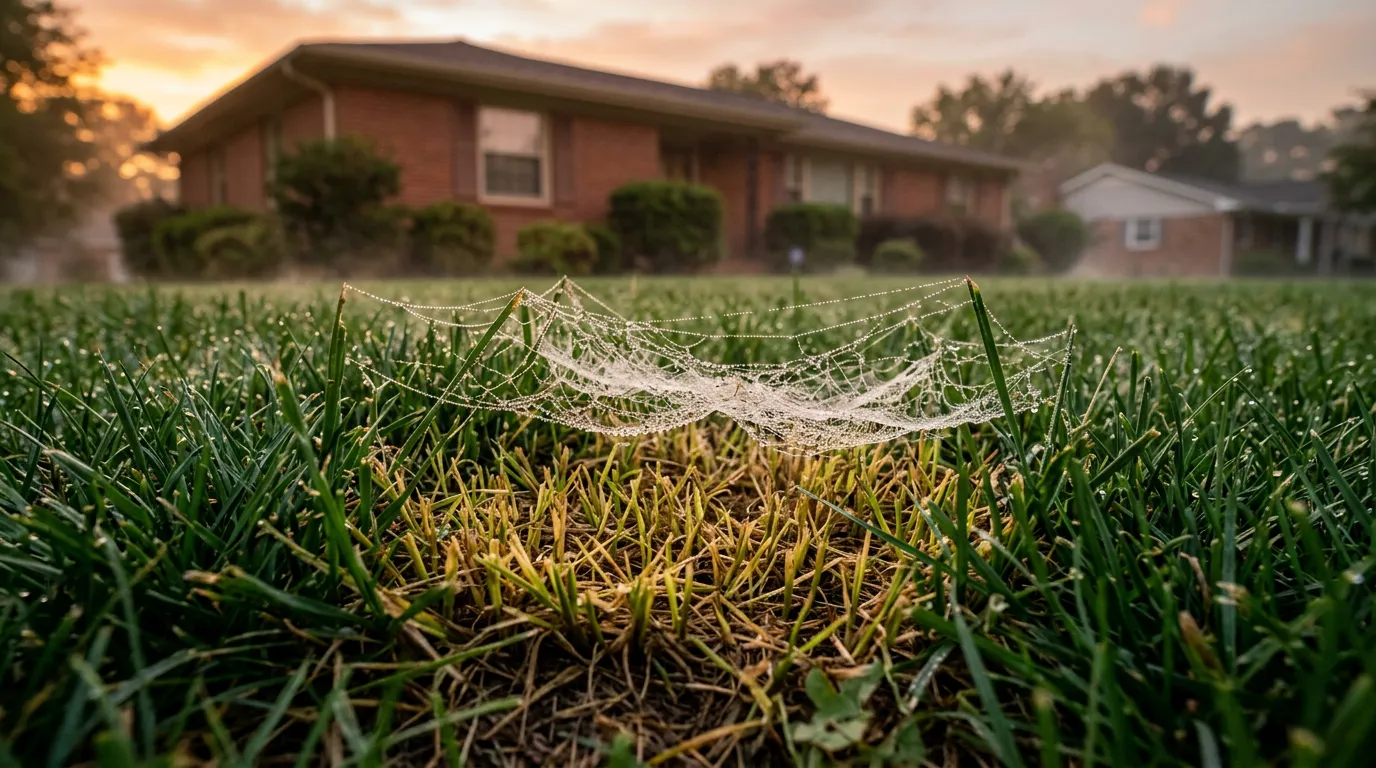
Pythium Blight thrives in hot, humid conditions, making it a common problem during North Carolina's late summer. This aggressive fungal disease appears as small, water-soaked patches of grass that rapidly turn brown. It often spreads along drainage areas or low-lying sections of the lawn where moisture tends to accumulate. The best defense against Pythium Blight is proper irrigation management—avoid watering in the late afternoon or evening when moisture is more likely to linger overnight.
Red Thread
Red Thread typically appears in cool-season grasses and is often seen during the late summer when lawns are stressed from heat and drought. This disease manifests as reddish-pink threads forming on grass blades, which can cause patches of turf to turn brown or appear scorched. To manage Red Thread, consider applying a balanced fertilizer to strengthen your lawn and encourage new growth. Keeping your lawn well-watered and mowed at the proper height will also help reduce the spread of this disease.
Gray Leaf Spot
Gray Leaf Spot is another common late summer lawn disease in North Carolina. It primarily affects St. Augustine and perennial ryegrass lawns, appearing as small, round spots with gray centers and dark brown margins on grass blades. As the disease progresses, the affected grass wilts and thins out, leaving behind unsightly patches. To prevent this disease, avoid overwatering your lawn and reduce nitrogen fertilizer applications during peak heat.
Brown Patch
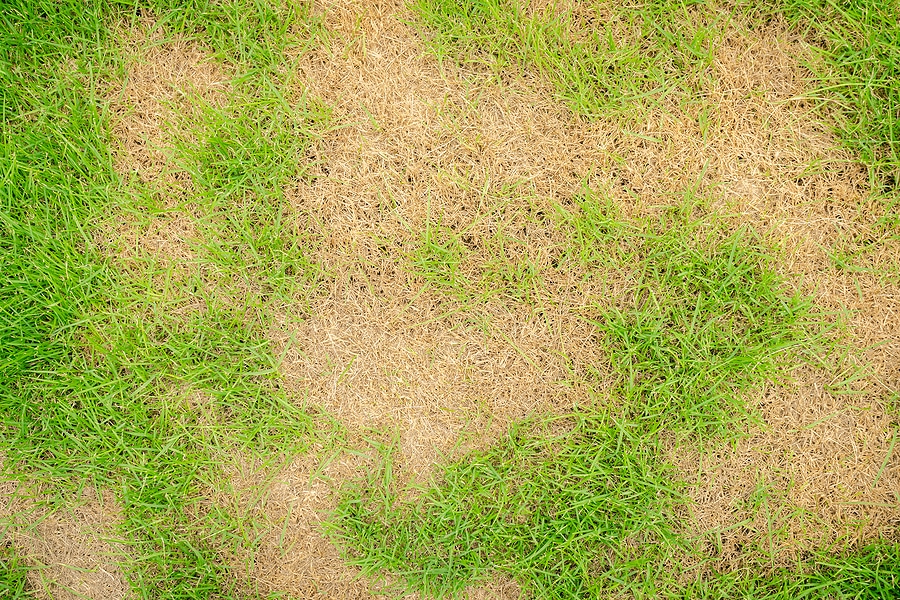
Finally, brown Patch is one of the most common and damaging late summer diseases for cool-season grasses like tall fescue and Kentucky bluegrass. It presents as circular patches of brown, dead grass surrounded by a darker ring of affected turf. Brown Patch is particularly prevalent in lawns that are overwatered or fertilized with high nitrogen during the hot, humid months. To prevent Brown Patch, it’s important to water your lawn deeply but infrequently, early in the day, to allow the grass to dry out. Aeration can also help improve air circulation and reduce moisture retention, minimizing the risk of infection.
The best way to protect your lawn from disease is through proactive maintenance. Proper mowing, watering, and fertilization are key to keeping your grass healthy and resilient in the face of fungal threats. At {{company_name}}, we offer specialized lawn care programs designed to strengthen your lawn and prevent the spread of diseases. Contact us today at {{local_phone}} to learn how we can help you maintain a healthy, disease-free lawn year-round.