5 Mistakes Homeowners Make During Lawn Dormancy

When your grass goes brown and sleepy, it’s tempting to forget about it until spring. But your dormant lawn is not dead; it’s just resting. And what you do now can make or break how it wakes up later. At Nature’s Select®, we help homeowners avoid these five common dormancy mistakes so their lawns come back thicker, greener, and healthier in the spring.
1. Stopping All Lawn Care
Dormant doesn’t mean done. Many homeowners quit caring for their lawns as soon as the color fades. Your turf still needs proper underground support, especially for root health. Seasonal treatments, soil conditioning, and smart nutrient support now can set the stage for a strong spring comeback.
2. Overwatering or Underwatering
Some folks water like it’s July; others shut the water off completely. Both can stress your turf. During dormancy, your lawn usually needs less water, but not no water. Aim for occasional deep watering, especially during prolonged dry spells, to protect roots without encouraging disease.
3. Ignoring Soil Health
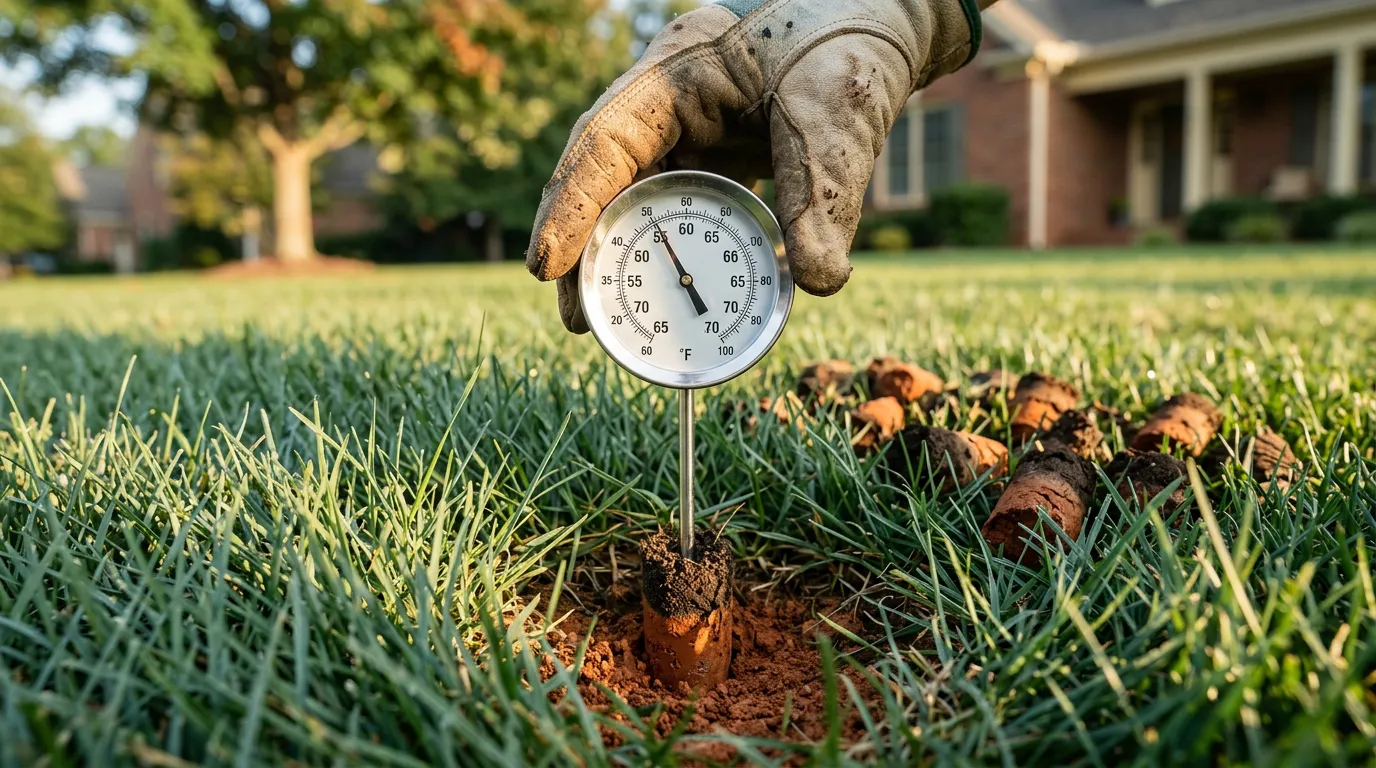
Think of winter as your soil’s “rebuild and recover” season. If you overlook soil structure and biology, your lawn may wake up weak. At Nature’s Select®, we focus on building healthy soil using a biologically based approach—feeding beneficial microbes that support stronger, more resilient turf when growth kicks back in.
4. Letting Weeds Take Over
Just because your grass is napping doesn’t mean weeds are. Many winter weeds love the cooler season and will happily fill in thin spots. If you skip weed control now, you could face a jungle later. Proper weed management during dormancy helps protect the space your grass will need when it greens up again.
5. Overlooking Strange Lawn Issues
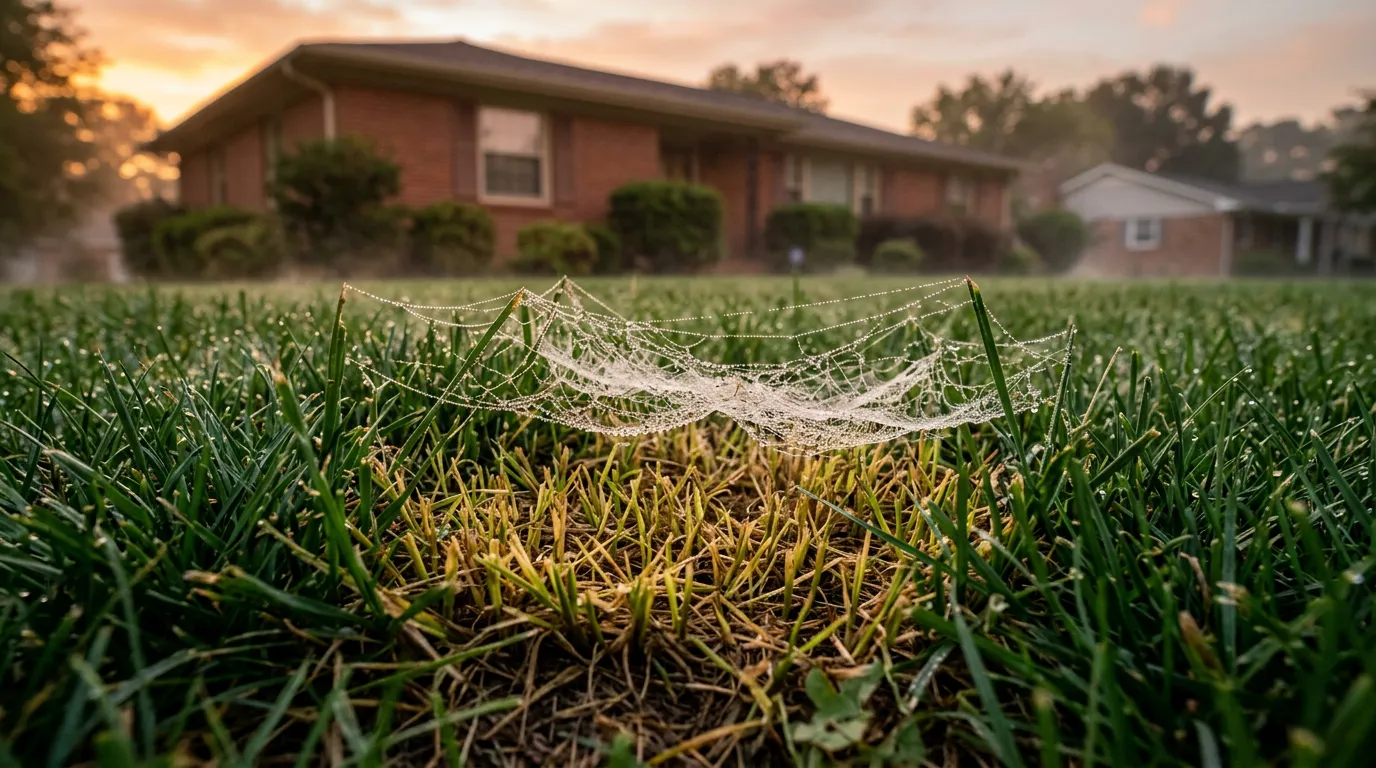
Dormant lawns can still develop problems, such as slime mold or other odd-looking patches. Homeowners often shrug these off, but they can be signs your lawn needs attention. Getting a professional eye on these issues early keeps them from becoming bigger headaches later.
Let Your Lawn Rest the Right Way
Avoiding these dormancy mistakes keeps your turf protected and primed for a gorgeous spring here in Winston-Salem, NC. Here at Nature’s Select®, we also offer thoughtful weed control, targeted slime mold control, and a complete lawn care approach that works with nature, not against it—starting from the soil up. To give your lawn its best “wake-up call,” request your free estimate today at (888) 786-9735.